The Spirit of Xieyi: An Introduction to Chinese Literati Painting
|
Xieyi, often translated as "sketching thoughts" or "freehand style," is a significant genre within Chinese painting. It is characterized by its emphasis on capturing the essence and spirit of a subject rather than its exact appearance. This expressive, spontaneous approach prioritizes the artist's personal emotions and inner vision.  Unlike the meticulously detailed Gongbi style, Xieyi embraces freedom and simplicity. The brushwork is typically bold and fluid, often using varying shades of ink to create a sense of depth and movement. The goal is not to replicate reality but to evoke it through suggestion and abstraction. 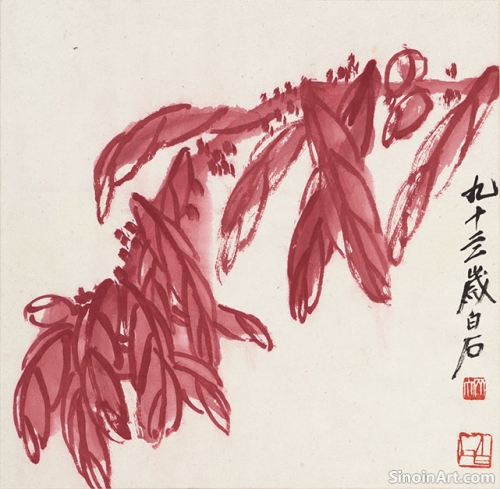 The development of Xieyi painting is closely linked to the literati class in China, who viewed painting not merely as a skill but as a form of self-cultivation. They sought to express their intellectual and spiritual insights through their art, focusing on the inherent energy and vitality of nature. 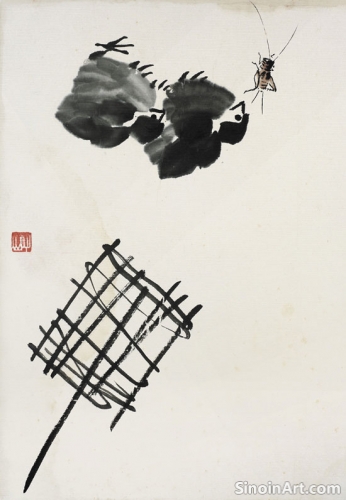 Xieyi painting often incorporates elements of calligraphy, which are seen as an extension of personal expression. The brushstrokes themselves are considered artistic elements, and the way ink and water interact is a core part of the artistic experience. Understanding Xieyi requires appreciating the interplay between spontaneity and control, between representation and abstraction. It’s an art form that invites viewers to engage not just with the image on the surface, but with the artist’s inner world. |
Tag : Xieyi Painting, Chinese Literati Painting, Ink Wash Painting, Expressive Brushwork, Chinese Scholar Painting
Related information
- Xieyi Painting and the Influence of Nature
- Modern Interpretations and Contemporary Xieyi
- The Use of Color in Xieyi Painting
- The Influence of the "Four Gentlemen" on Xieyi Subjects
- Xieyi Painting and the Depiction of Mountains
Nature serves as the primary inspiration for Xieyi painting, influencing subject matter, aesthetic principles, and the pursuit of qi. Artists aim to capture the essential spirit and dynamism of the natural world, fostering a harmonious relationship with it through their artistic practice.
Modern Xieyi painting is adapting to contemporary contexts through incorporating new techniques, subject matter, and philosophical ideas, while remaining grounded in the core principles of spontaneity, expression, and the pursuit of qi, and pushing its boundaries into the modern art world.
Color in Xieyi painting is used subtly and suggestively, often in light washes to create luminous effects, enhance meaning, evoke emotion, and accent specific areas of a composition, with colors often carrying symbolic connotations and adding depth to the artwork.
The "Four Gentlemen" (sìjūnzǐ) – plum blossom, orchid, bamboo, and chrysanthemum – are highly revered subjects in Xieyi, each embodying distinct virtues like resilience, refinement, integrity, and longevity, serving as a rich source of inspiration for artists expressing a range of emotions and philosophical ideas.
Mountains in Xieyi are depicted through washes and suggestive strokes to capture their grandeur, scale, texture, and symbolic connection to stability, timelessness, and the human-nature relationship, reflecting the artist's emotional response to their beauty, power, and mystery.