Xieyi Painting and the "Spirit of the Brush"
|
The concept of "Spirit of the Brush," or bǐyì (筆意), is central to understanding the aesthetic goals of Xieyi painting. It refers to the unique expressive quality and energy that emanates from the brushstrokes themselves. The artist aims to capture the spirit of the brush as it moves across the paper. The brush is not simply a tool; it is a channel for conveying vital energy. 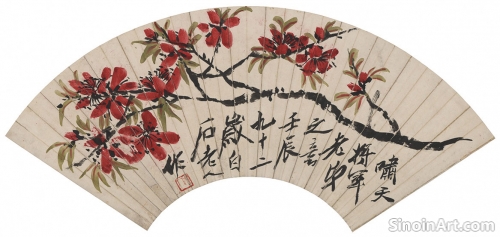 The "Spirit of the Brush" is not just about technical skill but also about conveying the artist's inner state of mind, emotions, and personal vision. Each brushstroke should be imbued with intention, feeling, and purpose. The goal is to make each brushstroke a reflection of the artist’s intent. 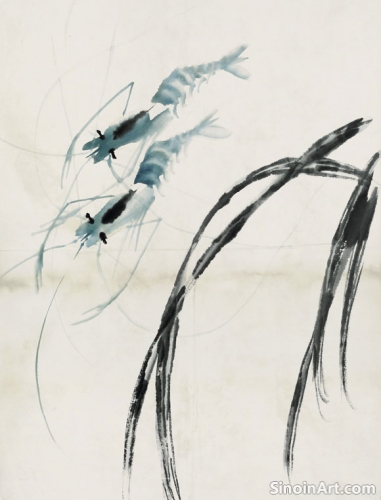 The brushstrokes themselves should possess a sense of life and vitality, moving with fluidity, rhythm, and a sense of spontaneity. The brushstrokes should have their own intrinsic beauty, and a connection to the creative intent of the artist. The feeling of the brush’s movement is a vital element of Xieyi. 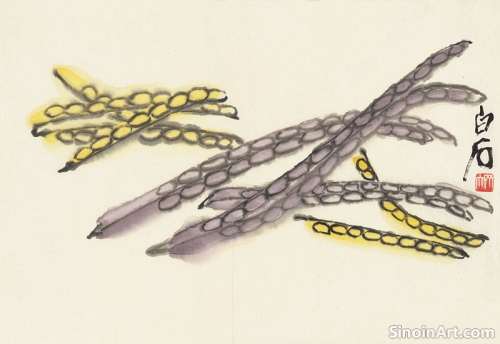 The pursuit of "Spirit of the Brush" requires both technical mastery and a deep connection with the materials, and with the subject being represented. The brush is not simply a tool; it is an extension of the artist’s mind and body. The physical and mental practice must come together in a seamless motion. Ultimately, bǐyì is about creating art that is not just beautiful to look at but also deeply expressive, imbued with a sense of energy, feeling, and the artist's unique personal voice. The expressive nature of the brush is what elevates the painting beyond mere representation. The goal is to infuse the artwork with life. |
Tag : Spirit of the brush, brushstroke energy, expressive art, Xieyi essence
Related information
- The Use of "Blank Space" in Xieyi
- Xieyi Painting and the Depiction of Bamboo
- Xieyi Painting and the Depiction of Water
- The Legacy and Future of Xieyi Painting
- Xieyi Painting and the Use of "Contrasting Ink"
Liúbái (blank space) is a vital element in Xieyi painting, creating balance, depth, atmosphere, and encouraging active viewer participation while reflecting philosophical concepts of emptiness and possibility. It's as important as the inked areas.
Bamboo is a popular subject in Xieyi painting, valued for its elegant form, resilience, and rich symbolic meaning, with artists using bold, fluid brushstrokes and calligraphic lines to capture its essence, its vital energy, and to express core values of integrity, resilience, and a meditative connection to nature.
Water is a versatile subject in Xieyi, depicted through washes and expressive brushstrokes to convey fluidity, transparency, movement, and its symbolic connection to life, change, and nature, adding atmosphere and depth to landscape paintings, with varied forms representing a spectrum of feeling and power.
Xieyi painting, with its rich history and unique aesthetic, continues to hold significance and inspire artists, influencing contemporary art globally, ensuring the continuation of its traditions, and its continued evolution and relevance as it continues to express cultural values and universal truths, making it an enduring art form.
"Contrasting Ink" (nóngdànmò) in Xieyi uses both dark and light ink strategically to create depth, volume, texture, and atmosphere through visual contrast, with dark ink creating boldness and light ink adding distance and subtlety, requiring skilled blending to create tonal gradations, expressive depth, and nuanced interplay of light and shadow.