The Influence of Folk Art on Xieyi Painting
|
While often associated with the refined aesthetics of literati culture, Xieyi painting has also drawn inspiration from the vibrant traditions of Chinese folk art. The bold colors, expressive forms, and the emphasis on storytelling that are often found in folk art have contributed to the development of a more accessible and expressive style within Xieyi. The traditions of folk art are often a strong and vital influence on the overall style of Xieyi. 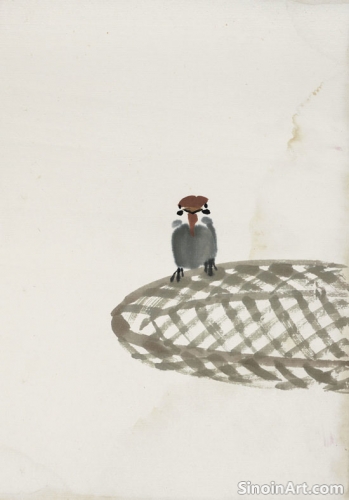 The folk art tradition often emphasizes directness and simplicity, values that are also highly prized in Xieyi painting. The folk tradition emphasizes a lack of artifice and a powerful expression of core human feelings. It can provide a source of raw and creative expression that can greatly inform the style of individual artists. 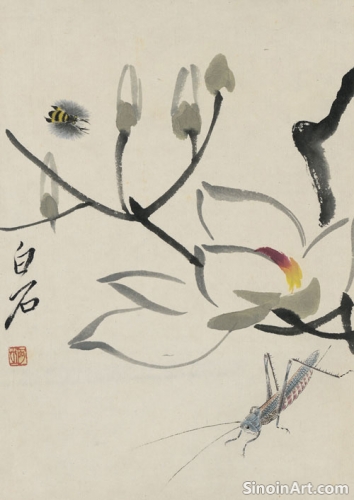 The use of vibrant colors, often associated with folk traditions, can add depth and a sense of celebration to Xieyi paintings, creating a dynamic interplay between traditional techniques and more contemporary approaches. It is one example of how folk traditions can influence the way that the artists apply their techniques. The combination of these different styles can create truly innovative approaches to the art form. 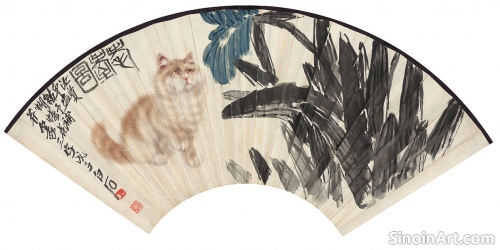 The emphasis on storytelling in folk traditions can inspire Xieyi artists to create works that are more narrative and engaging, often depicting scenes from everyday life, historical events, or folklore. It brings a new dimension to the art form that goes beyond simple representation. It provides a powerful vehicle for cultural storytelling and memory. The influence of folk traditions can be seen in the more accessible and relatable quality that is often found in contemporary Xieyi paintings, making the art form more relevant and engaging for a wider audience. It shows how the tradition continues to adapt and remain culturally relevant. |
Tag : Folk art influence, Chinese folk art, Xieyi style, accessible art, cultural traditions
Related information
- Xieyi Painting and the Use of "Contrasting Ink"
- Common Subjects in Xieyi Painting
- The Essence of Expression: An Introduction to Xieyi Painting
- Famous Xieyi Artists: Masters of the Spontaneous Brush
- The Ink of Xieyi: A Palette of Grays
"Contrasting Ink" (nóngdànmò) in Xieyi uses both dark and light ink strategically to create depth, volume, texture, and atmosphere through visual contrast, with dark ink creating boldness and light ink adding distance and subtlety, requiring skilled blending to create tonal gradations, expressive depth, and nuanced interplay of light and shadow.
Common subjects in Xieyi painting include bamboo, plum blossoms, landscapes, birds, flowers, and animals, each imbued with symbolism and representing aspects of nature and the artist's inner world.
This article introduces Xieyi painting, a freehand and expressive style of Chinese painting, emphasizing its focus on capturing the essence of a subject through bold brushwork and simplified forms.
This article highlights the contributions of famous Xieyi artists throughout history, including Xu Wei, Bada Shanren, Qi Baishi, and Zhang Daqian, discussing their unique styles and their influence on the evolution of the art form.
This article focuses on the significance of ink in Xieyi painting, exploring its tonal variations, preparation process, and application techniques, emphasizing its role in capturing the essence of a subject.