Xieyi Painting and the Concept of "Shu Xing"
|
"Shu Xing" (書性), often translated as "calligraphic nature" or "calligraphic quality," is a fundamental concept in Xieyi painting, referring to the way that the principles and techniques of calligraphy influence the brushwork and expressive qualities of the painting. It emphasizes the deep connection between the two art forms and how calligraphy informs the core structure and expressivity of the Xieyi tradition. It represents the influence of calligraphy on the practice of painting.  The calligraphic nature of Xieyi brushwork is evident in the way the lines are formed, with variations in thickness, texture, and direction, all reflecting the principles of good calligraphy. The artist has to master the techniques of calligraphy before they can truly excel in Xieyi. The underlying structure of the calligraphy informs the brushwork of the painting. 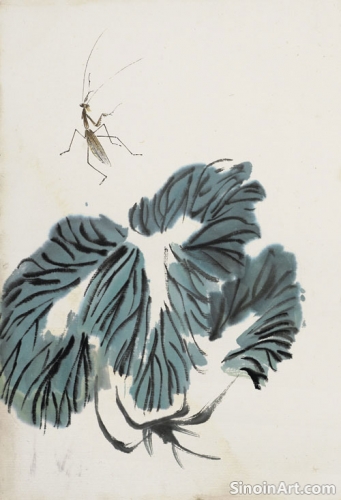 The principles of balance, rhythm, and flow, which are essential in calligraphy, are also crucial in Xieyi painting. The artist aims to create lines that are not only visually appealing but are also imbued with a sense of movement, energy, and life force. The calligraphic nature of the strokes creates an energy that is intrinsic to Xieyi. 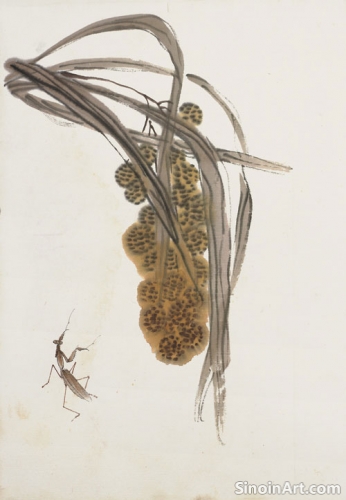 The use of the same tools, brush, ink, and paper, in both calligraphy and Xieyi painting further emphasizes the deep connection between the two art forms. It’s a shared practice with shared goals of expressive freedom and technical expertise. The shared history and techniques add to the significance of Shu Xing. The "calligraphic nature" of the lines in Xieyi can convey a range of emotions and ideas, from strength and boldness to delicacy and subtlety. It’s a powerful tool for expressing a diverse range of feelings. The way the brush is used is inherently expressive, communicating subtle nuances of feeling and intent. |
Tag : calligraphic nature, brushwork quality, line in art, Chinese art forms
Related information
- Xieyi Painting and the Concept of "Tian Qu"
- Xieyi and the Influence of Poetry
- Xieyi Painting and the Concept of "Gu Yi"
- Early Development of Xieyi: Song and Yuan Dynasties
- Xieyi Painting and the Use of "Leaving the Brush"
"Tian Qu" (natural charm) is a key aesthetic ideal in Xieyi painting, emphasizing a sense of effortless freedom, spontaneity, and a deep connection to nature, requiring artists to let their intuition guide the creative process, resulting in works that feel both deeply moving and authentically beautiful.
Xieyi painting is profoundly influenced by poetry, with literati artists integrating verse into their paintings, applying similar principles of rhythm and expression, and using symbolic imagery to convey complex ideas and personal feelings, emphasizing the interconnectedness of these art forms.
"Gu Yi" (ancient intention) in Xieyi emphasizes an artist's engagement with tradition, seeking to absorb the spirit and principles of past masters, studying their techniques and cultural context to create work that honors the legacy of the art form and contributes to its ongoing evolution.
The roots of Xieyi painting can be traced back to the Song Dynasty (960-1279), when scholar-officials began to develop a distinctive style of painting that reflected their unique values and aesthetics. The emphasis shifted from courtly patronage to individual expression, setting the stage for the emergence of Xieyi.
"Leaving the Brush" (cángfēng) in Xieyi involves concealing the brush tip when beginning and ending a stroke, creating lines with a subtle beginning and end, conveying inner strength, control, and intentionality, contrasting with the technique of "revealing the brush," and demonstrating the mastery of brush control.