Decorative Techniques in Song Ceramics
|
While the beauty of Song ceramics often lies in the simplicity of their forms and the subtlety of their glazes, decorative techniques also played an important role in shaping their aesthetic. Techniques such as carving, incising, molding, and impressing were used to add texture and visual interest to many Song pieces. The decoration adds to the overall aesthetic value of these ceramics. 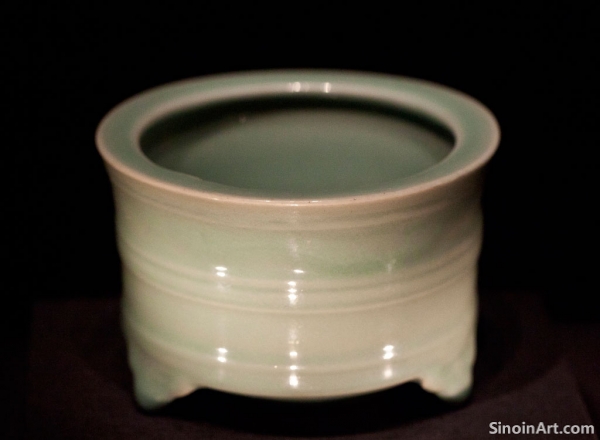 Carving and incising were often used on celadon and Ding wares to create delicate patterns beneath the glaze. These patterns might include floral motifs, cloud designs, or geometric shapes. This added a subtle level of detail that is beautiful without overpowering the piece. 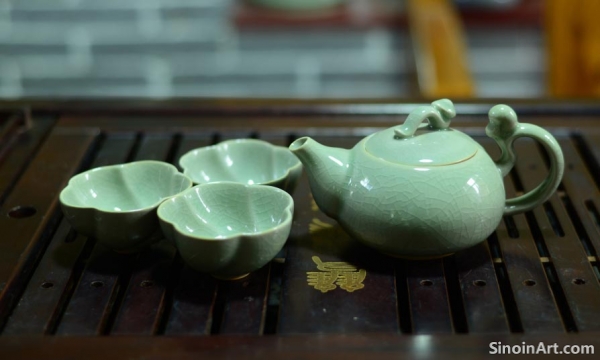 Molding was used to create relief designs on a variety of ceramics, often on jun ware and other wares where the glaze itself was the dominant aesthetic. These molded forms create a subtle sense of visual depth. The molded relief work is a fine example of the potters’ skills. 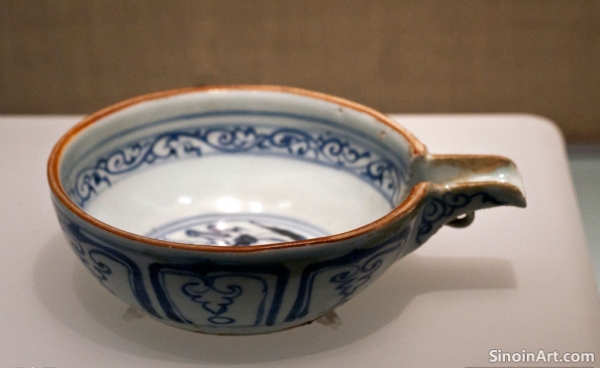 Impressing techniques, using stamps or tools, were also used to add decorative elements to ceramics such as bowls and dishes. These techniques were a way to add detail with some efficiency. They are often seen in the more everyday wares. The decorative techniques used on Song ceramics were often subtle and understated, allowing the beauty of the form and the glaze to remain the primary focus. The beauty of the piece was always placed first by the ceramic artists. The delicate decoration adds to the overall effect. |
Tag : Song ceramic decoration, Incising, Carving, Molding, Decorative techniques
Related information
- The Dark Beauty of Jian Ware Tea Bowls
- The Elegance of Guan Ware and Ge Ware Crackle Glazes
- The Global Influence of Song Dynasty Ceramics
- Jun Ware: A Splash of Color in the Song Dynasty
- Song Ceramics and the Representation of Nature
Jian ware tea bowls, produced in the kilns of Jianyang (modern-day Fujian province), are among the most revered ceramics of the Song Dynasty. Characterized by their dark, often black, glazes, often displaying a unique hare's fur or oil spot effect, Jian ware tea bowls were particularly prized by Zen Buddhist monks and tea connoisseurs for their aesthetic and functional qualities. The dark hues and varied patterning made them ideal for showcasing the light colour of the tea itself.
Guan ware and Ge ware, both associated with the Southern Song Dynasty, are known for their distinctive crackled glazes, which were caused by the different contraction rates of the glaze and the ceramic body. These wares, which are also often referred to as “crackled ware”, exhibit a wide variety of crackle patterns, from fine “fish roe” patterns to more pronounced “ice crackle” patterns.
Song Dynasty ceramics have had a profound influence on ceramic traditions around the world, with their beauty, elegance, and technical sophistication inspiring potters in many different cultures. The influence of Song wares has been felt throughout Asia, Europe, and even the Americas, and this speaks to the global importance of Chinese ceramics.
Jun ware, produced in kilns in Henan province, is distinguished by its vibrant, opalescent glazes, which range in color from sky blue to lavender, crimson, and even deep purple. Unlike the more restrained celadons and monochromes of the Song Dynasty, Jun ware is known for its dramatic splashes of color and bold, expressive forms. The vibrant colour palette makes them stand out from the more muted forms of Song Dynasty pottery.
The forms, glazes, and decorative motifs of Song Dynasty ceramics often reflect a deep appreciation for nature, with potters drawing inspiration from the natural world. The incorporation of natural elements is a clear indicator of the importance of nature in Tang artistic thought.