Jun Ware: A Splash of Color in the Song Dynasty
|
Jun ware, produced in kilns in Henan province, is distinguished by its vibrant, opalescent glazes, which range in color from sky blue to lavender, crimson, and even deep purple. Unlike the more restrained celadons and monochromes of the Song Dynasty, Jun ware is known for its dramatic splashes of color and bold, expressive forms. The vibrant colour palette makes them stand out from the more muted forms of Song Dynasty pottery.  The creation of Jun ware involved meticulous glaze application and precise control of firing conditions. The vibrant colors were achieved through the use of copper and iron oxide, and the thickness of the glaze also contributed to the overall visual effect.  The forms of Jun ware pieces were often simple and robust, such as bowls, dishes, and vases, designed to showcase the beauty of the glaze. The overall form of the pieces was designed to make the glaze as visually striking as possible. 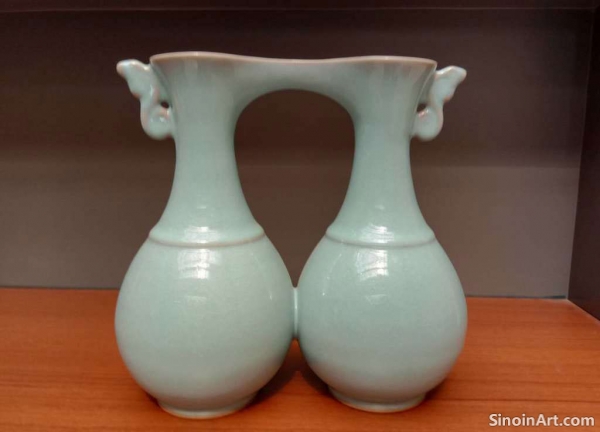 Jun glazes often exhibit a subtle mottling or streaking, and this natural variation adds a level of depth and visual complexity to these wares. No two pieces of Jun ware are exactly alike, as the firing process created unique results every time. Jun ware’s vibrant colors and expressive forms make it a highly valued and distinctive type of Song Dynasty ceramics, which demonstrates the diversity of ceramic production during this period. |
Tag : Jun ware, Song Dynasty pottery, Chinese colored glaze, opalescent pottery, vibrant glazes
Related information
- Jun Ware: The Art of Transmutation
- The Refinement of Song Ceramics: An Introduction
- The Delicate Beauty of Ru Ware Porcelain
- Blackwares of the Song Dynasty: Jian and Beyond
- The Role of the Kilns in Song Ceramic Innovation
Jun ware, a distinctive Song Dynasty ceramic style, is known for its thick, opalescent glazes in a range of colors, achieved through carefully controlled firing processes, often exhibiting dramatic and unpredictable visual effects.
Song Dynasty ceramics (960-1279) represent a golden age of Chinese pottery, marked by refined techniques, elegant forms, and a focus on monochrome glazes like celadon, showcasing subtle beauty and technical mastery.
Ru ware, produced for a short period during the late Northern Song Dynasty, is among the rarest and most highly valued of all Chinese ceramics. Known for their delicate bluish-green celadon glaze, often described as the color of "sky after rain," Ru ware pieces are celebrated for their understated elegance, simple forms, and subtle crackle patterns. They are highly sought after by collectors and admired for their timeless beauty.
Song Dynasty blackwares, including Jian and Jizhou, feature diverse and artistic dark glazes like "hare's fur," “oil spot,” and decorative techniques, showcasing the range and creativity of Song potters.
Song Dynasty kilns, such as those in Longquan, Ding, Jun, and Jian, were centers of experimentation and artistic innovation, advancing kiln technology, glaze effects, and the training of potters, leading to a diversity of high-quality ceramic styles.