The Global Influence of Song Dynasty Ceramics
|
Song Dynasty ceramics have had a profound influence on ceramic traditions around the world, with their beauty, elegance, and technical sophistication inspiring potters in many different cultures. The influence of Song wares has been felt throughout Asia, Europe, and even the Americas, and this speaks to the global importance of Chinese ceramics. 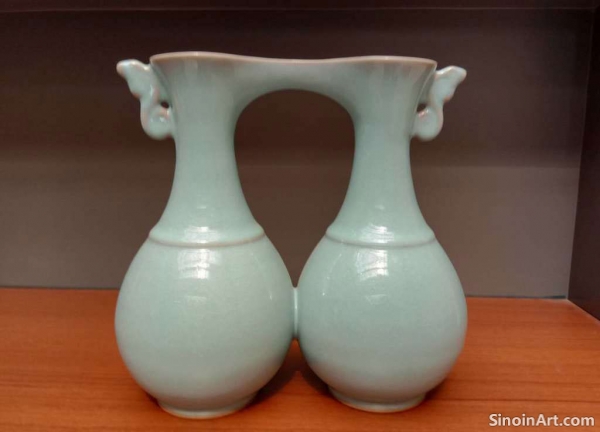 The forms, glazes, and decorative motifs of Song ceramics were adopted and adapted by potters in Korea, Japan, Vietnam, and other parts of Asia. The influence of Chinese pottery techniques had a lasting impact on ceramics production throughout East Asia. 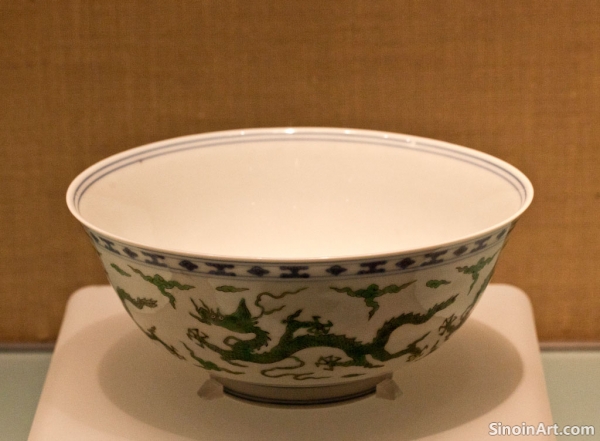 European potters, inspired by imported Song ceramics, experimented with new materials and techniques, resulting in the development of new forms and styles that were influenced by these pieces. The impact of Chinese pottery on European production is a significant element of Western ceramic history.  The enduring appeal of Song ceramics is a testament to their artistic quality and their ability to transcend cultural boundaries. The widespread popularity of these works demonstrates their overall and lasting influence. The global legacy of Song ceramics underscores their importance in the history of art and their continuing influence on contemporary ceramic artists, and their legacy is still felt throughout the world today. |
Tag : Song ceramic influence, global pottery, Chinese pottery export, East Asian ceramics, international art
Related information
- The Refinement of Song Ceramics: An Introduction
- The Delicate Beauty of Ru Ware Porcelain
- Song Dynasty Ceramics and the Tea Ceremony
- The Simplicity and Elegance of Song Celadons
- The Role of the Kilns in Song Ceramic Innovation
Song Dynasty ceramics (960-1279) represent a golden age of Chinese pottery, marked by refined techniques, elegant forms, and a focus on monochrome glazes like celadon, showcasing subtle beauty and technical mastery.
Ru ware, produced for a short period during the late Northern Song Dynasty, is among the rarest and most highly valued of all Chinese ceramics. Known for their delicate bluish-green celadon glaze, often described as the color of "sky after rain," Ru ware pieces are celebrated for their understated elegance, simple forms, and subtle crackle patterns. They are highly sought after by collectors and admired for their timeless beauty.
The Song Dynasty saw the flourishing of tea culture, and ceramics played a central role in the rituals and practices surrounding tea consumption. Specific types of tea bowls, teapots, and other tea wares were developed to enhance the tea-drinking experience. The ritualistic elements of tea consumption made the ceramic pieces important elements of daily life in the Song period.
The Song Dynasty is often regarded as the golden age of Chinese ceramics, and Song celadon stands as a pinnacle of ceramic artistry. Characterized by its subtle green hues, ranging from pale jade to deep olive, Song celadon is celebrated for its elegant forms, smooth glazes, and understated decoration. Unlike the vibrant, multi-colored wares of the preceding Tang Dynasty, Song celadons embraced simplicity and a harmonious balance between form and glaze. The focus shifted to the intrinsic beauty of the material and the nuanced shades achieved through masterful kiln firing.
Song Dynasty kilns, such as those in Longquan, Ding, Jun, and Jian, were centers of experimentation and artistic innovation, advancing kiln technology, glaze effects, and the training of potters, leading to a diversity of high-quality ceramic styles.