Xieyi Painting and the Influence of Nature
|
Nature is the primary inspiration for Xieyi painting, serving as both a source of subject matter and a guide to aesthetic principles. Artists seek to capture the essence of the natural world, expressing their personal relationship with landscapes, plants, and animals through the language of ink and brush. This connection with nature is core to the art form. 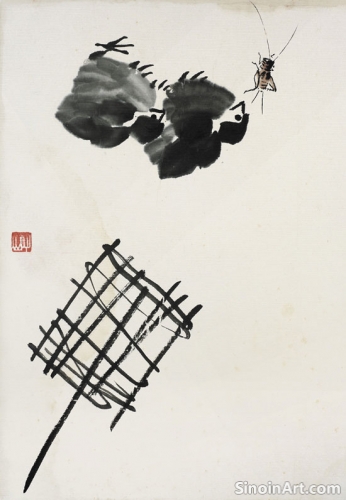 The concept of "Shan Shui" (mountain-water), which is fundamental to Chinese landscape painting, strongly influences Xieyi. Artists emphasize the harmony between humanity and nature, seeking to convey the grandeur, dynamism, and vital energy of the natural world. This sense of harmonious interaction is key to the art’s expression. 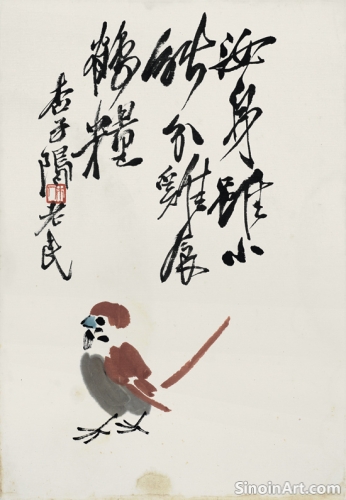 Observation of nature is a key element in the practice of Xieyi. Artists spend countless hours observing the forms, textures, and movements of the natural world, learning to distill the complexity of nature into simplified, suggestive brushstrokes. The observation of nature provides the vocabulary for artistic expression. 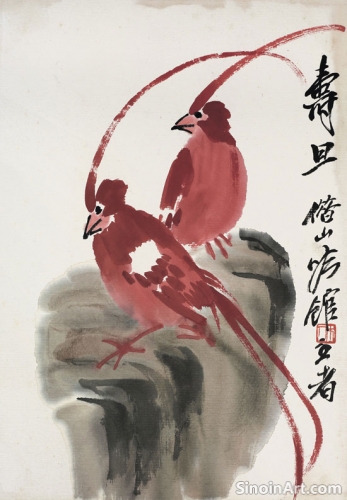 Xieyi painters are not merely trying to create realistic depictions of nature; they are seeking to capture its inner spirit, its qi, or vital energy. This is expressed through the expressive brushstrokes and the way the ink flows on the paper. The goal is not to copy nature but to express its essence. The act of painting becomes a form of communion with nature, allowing the artist to connect with the deeper rhythms and cycles of the universe. The process itself becomes a form of meditation, drawing the artist into the natural world. The art becomes an expression of the artist’s inner landscape, harmonized with the greater world. |
Tag : Nature in art, Shan Shui painting, Chinese landscape, natural elements, Xieyi inspiration
Related information
- Appreciating and Collecting Xieyi Paintings
- The Importance of "Qi" in Xieyi Brushwork
- The Legacy and Future of Xieyi Painting
- Xieyi Painting and the Concept of "Ziran"
- The Spirit of Xieyi: An Introduction to Chinese Literati Painting
Appreciating and collecting Xieyi paintings requires an understanding of its aesthetics, symbolism, brushwork, and the artist's personal expression. Considerations when collecting include authenticity, provenance, and proper care and storage to preserve these delicate works.
Qi (vital energy) is fundamental to Xieyi brushwork, representing the expressive quality and energy within each stroke, achieved by the artist's balance, focus, and connection with their subject, emphasizing spontaneity and imbuing the artwork with a sense of vitality and inner spirit.
Xieyi painting, with its rich history and unique aesthetic, continues to hold significance and inspire artists, influencing contemporary art globally, ensuring the continuation of its traditions, and its continued evolution and relevance as it continues to express cultural values and universal truths, making it an enduring art form.
"Ziran" (naturalness) is a cornerstone of Xieyi painting, emphasizing effortless ease, rejection of artificiality, and a profound connection with the natural world, requiring an understanding of materials and authenticity in personal expression, allowing the art process to unfold organically.
Xieyi, often translated as sketching thoughts or freehand style, is a significant genre within Chinese painting. It is characterized by its emphasis on capturing the essence and spirit of a subject rather than its exact appearance. This expressive, spontaneous approach prioritizes the artist's personal emotions and inner vision.