Xieyi Painting and the Concept of "Qi Yun"
|
The concept of qi yun (氣韻), often translated as "spirit resonance" or "vitality," is a central aesthetic principle in Xieyi painting. It refers to the overall sense of energy, movement, and life force that emanates from a successful work of art. Capturing qi yun is the ultimate goal of the artist. 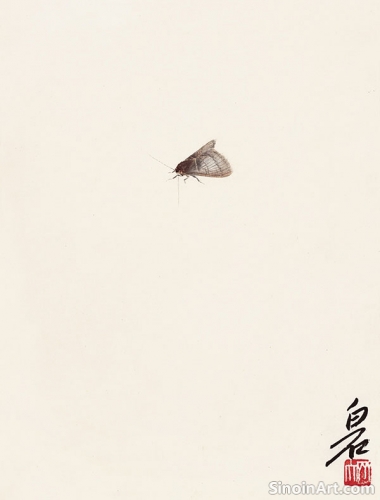 Qi yun is not something that can be easily defined or measured; it's a quality that is sensed or felt by the viewer, an intangible quality of vitality and energy. It encompasses the rhythm of the brushstrokes, the flow of the ink, and the overall harmony of the composition. It’s the feeling that the painting is imbued with life. To achieve qi yun, the artist must cultivate a deep connection with their subject, understanding its essential nature and inner spirit. The artist's own inner energy and vitality also contribute to the overall feeling of the artwork. The painting becomes an expression of that union of artist and subject. 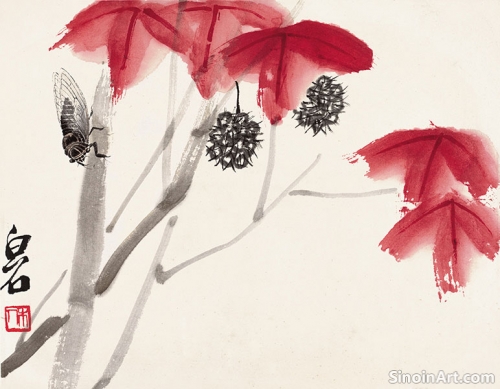 Qi yun is also related to the concept of spontaneity. The artist seeks to capture the essence of the subject in the moment, allowing their brushstrokes to flow freely and naturally. The artist’s state of mind is also a critical factor in the expression of qi yun. The work must be imbued with the artist’s life force. The appreciation of qi yun requires a certain sensitivity and aesthetic awareness on the part of the viewer. It's not just about seeing the forms and colors but also about experiencing the energy and vitality that emanates from the artwork. This experience is a vital part of the viewing process. |
Tag : spirit resonance, Chinese vitality, energy in art, Xieyi aesthetics
Related information
- The Role of the Brush in Xieyi Painting
- The Essence of Expression: An Introduction to Xieyi Painting
- The Influence of Chan (Zen) Buddhism on Xieyi
- The Significance of Composition in Xieyi
- Xieyi Painting and the Depiction of Bamboo
The Chinese brush is essential to Xieyi painting, serving as an extension of the artist's hand and mind. Mastering brush types, grip, pressure, and stroke is crucial for creating the diverse range of expressive marks and textures characteristic of the art form.
This article introduces Xieyi painting, a freehand and expressive style of Chinese painting, emphasizing its focus on capturing the essence of a subject through bold brushwork and simplified forms.
Chan (Zen) Buddhism profoundly influences Xieyi painting, emphasizing intuition, direct experience, mindfulness, and the concept of emptiness, aligning with the art form's focus on spontaneity, self-expression, and the pursuit of truth through art.
Composition, including the strategic use of negative space, asymmetrical balance, and flowing lines, is vital in Xieyi painting, guiding the viewer's eye, creating a sense of harmony, and supporting the artist's intention, despite the art form's seemingly spontaneous nature.
Bamboo is a popular subject in Xieyi painting, valued for its elegant form, resilience, and rich symbolic meaning, with artists using bold, fluid brushstrokes and calligraphic lines to capture its essence, its vital energy, and to express core values of integrity, resilience, and a meditative connection to nature.