The Use of Bronze in Ancient Chinese Household Items: Beyond Ritual and Warfare
|
While bronze is often associated with ritual vessels and military equipment, it also played a role in ancient Chinese households, particularly among the wealthy and elite. The use of bronze in the production of daily items reflects its overall importance and the technical abilities of the craftspeople of the time. The use of bronze helped to elevate the status and beauty of these everyday objects.  Bronze mirrors were common household items, often decorated with patterns and symbols that added both beauty and meaning to everyday life. The mirrors helped to serve a practical purpose and were also used to enhance and decorate living spaces. The mirrors helped to elevate the quotidian. 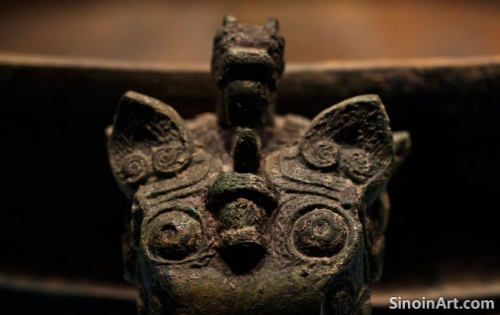 Bronze lamps, braziers, and other lighting fixtures provided illumination, demonstrating how bronze was adapted for practical uses as well as symbolic and artistic endeavors. Bronze lamps and braziers were not only functional objects, but were also seen as objects of artistic beauty. The use of bronze in lighting helped to illuminate both the physical and the spiritual worlds. 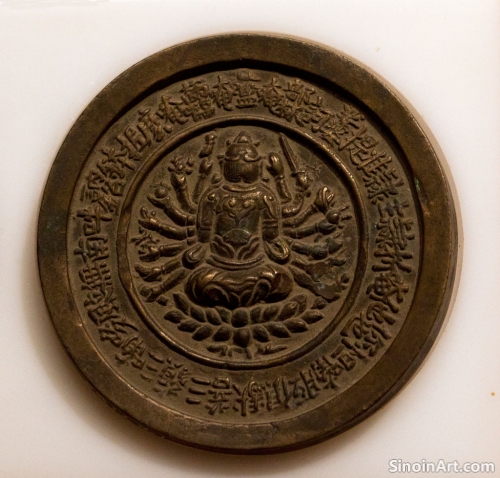 Bronze was also used to create everyday tools and implements, such as hooks, buckles, and containers, which were often crafted with intricate designs and high-quality materials. The everyday tools of the wealthy were also carefully crafted and beautifully designed. The careful craftsmanship helped to elevate even mundane items. The use of bronze in ancient Chinese households highlights the versatility of the material and the diverse applications that the ancient craftsmen were able to achieve. Bronze was used to enhance many aspects of both daily life and social interactions. The versatility of bronze is a testament to the creativity and ingenuity of ancient artisans. |
Tag : bronze household items, ancient Chinese life, daily objects, bronze lamps, bronze tools
Related information
- Bronze Vessels and Music Performance in Ancient China: A Multi-Sensory Experience
- The Role of Bronze in Ancient Chinese Warfare: Strategies and Weapons
- Bronze Weapons of Ancient China: A Glimpse into Warfare and Power
- Bronze Ware and the Development of Chinese Writing: An Intertwined History
- The Use of Bronze in Ancient Chinese Military Armor: Protection and Power on the Battlefield
This article explores the combination of bronze vessels and music in ancient Chinese ritual performance, highlighting how these combined to create a multi-sensory experience that engaged both visual and auditory senses, and enhanced the power of ritualistic ceremonies.
This article explores the role of bronze in ancient Chinese warfare, highlighting the types of weapons, armor, and chariot fittings, and examining the strategies and tactics employed, revealing the military power of the era.
This article explores the bronze weapons of ancient China, highlighting their functional and symbolic importance, the types of weapons, the technical expertise required for their creation, and the insights they provide into early Chinese warfare.
This article explores the intertwined history of bronze ware and the development of Chinese writing, highlighting the earliest forms of writing on bronze, the evolution of script styles, and the role of inscriptions in preserving history and culture.
This article explores the use of bronze in ancient Chinese military armor, highlighting the types of helmets and armor plating, and how bronze was used to provide both protection and power on the battlefield.