The Tea Scoop and Other Tools: Details Matter
|
While larger pieces of teaware, such as the teapots and cups, are often the focus of attention, smaller accessories such as the tea scoop, tea tongs, tea cloth, and other tools are vital for the smooth and efficient brewing and enjoyment of tea. Each of these tools serves a specific purpose, demonstrating the attention to detail that is characteristic of Chinese tea culture. These smaller details are essential to the overall experience of drinking Chinese tea. 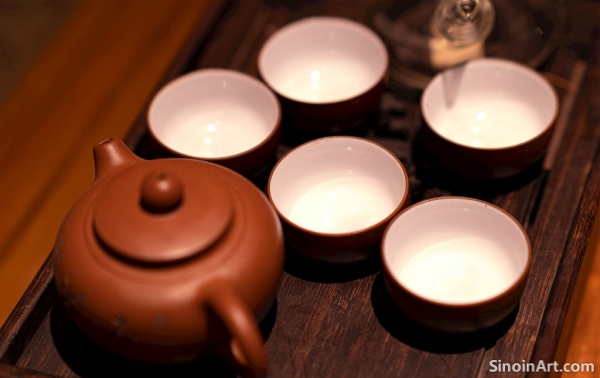 The tea scoop (chazé) is used to measure and transfer tea leaves into the teapot. Usually made of bamboo, wood, or ceramic, it helps to prevent damage to the tea leaves, while also ensuring a consistent quantity of tea is used in each brewing. The tea scoop helps to preserve both the quality of the leaves, as well as provide a consistent and reliable brewing experience. 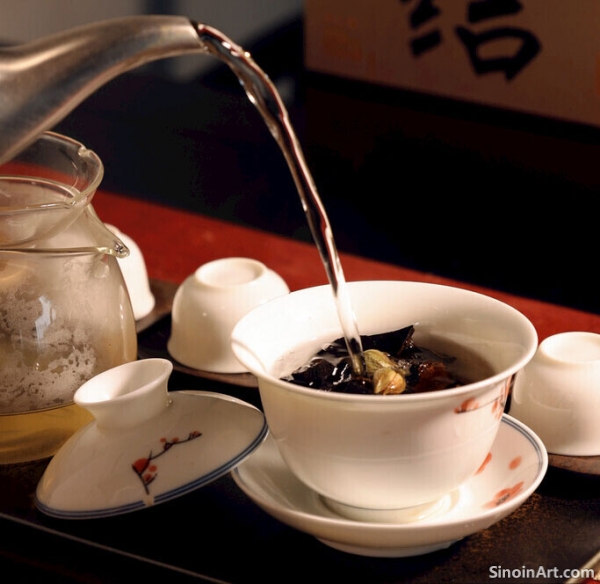 Tea tongs (chajiā) are used to handle the tea cups, avoiding direct contact with the hot vessels and preserving cleanliness. Tea tongs are often made from bamboo or metal, and have also become important aesthetic items. Tea tongs serve both a practical and aesthetic purpose.  A tea cloth (chajin) is a small piece of cloth used to wipe spills, clean teaware, and keep things tidy. It is often made from soft linen or cotton and is an essential part of the tea ceremony. The tea cloth helps to ensure a clean and sanitary brewing environment. Other essential tea accessories may include a tea strainer, used to filter out tea leaves, and a tea brush, used for cleaning teaware. Each of these items serves its own specific purpose, and they all help to make the tea brewing process easier and more efficient. These smaller tools and accessories showcase the meticulous attention to detail that is integral to the Chinese tea tradition. They are just as important as the larger items, and they demonstrate a high level of care and respect for tea. These items are both functional and aesthetically pleasing. |
Tag : Tea Scoop, Tea Tools, Tea Accessories, Tea Ceremony, Tea Preparation
Related information
- Maintaining Your Teaware: Cleaning and Care Tips
- Tea and Philosophy: Harmony and Mindfulness in a Cup
- Decoding the Types: A Guide to Chinese Tea Varieties
- The Essentials of Chinese Teaware: An Introduction
- White Tea: The Minimalist Approach to Tea Processing
This article provides practical guidance on the proper cleaning and care of Chinese teaware, emphasizing the importance of maintaining its beauty, functionality, and the quality of its use over time.
Explore the philosophical significance of tea in China, and how the act of preparing and drinking tea reflects principles of Confucianism, Taoism, and Buddhism, promoting mindfulness, harmony, and inner peace.
This article explores the diverse range of Chinese tea varieties, categorizing them by processing method and highlighting their unique characteristics, flavors, and aromas.
This article provides a comprehensive introduction to the essential types of Chinese teaware, exploring their functions, materials, and historical significance within Chinese tea culture.
Discover the world of white tea, a delicate and minimally processed Chinese tea. Learn about its harvesting, processing, and the delicate flavors that make it a unique and prized beverage.