The Art of Gongfu Cha: The Traditional Chinese Tea Ceremony
|
The Gongfu Cha (功夫茶) tea ceremony is a refined art form that emphasizes the ritualistic preparation and appreciation of tea. More than just brewing a beverage, it is a practice of mindfulness, patience, and respect for tradition. This ceremony is highly valued within Chinese culture, and is a vital part of the history of tea production and consumption.  The history of Gongfu Cha can be traced back to the Song dynasty, where the practice of tea appreciation was first established as a complex art form. Over time, the ritualized methods of brewing tea were adapted and refined, and specific techniques and materials were chosen. The methods used have varied over the centuries, as tea technology and materials evolved. 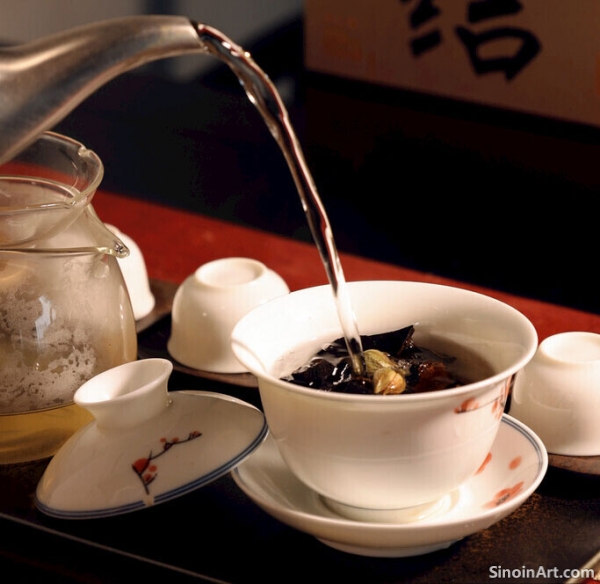 The tools used in the tea ceremony often include a small teapot (usually Yixing clay), a tea pitcher (chahai), small cups, a tea tray, a strainer, and a tea scoop. The specific tools used are chosen for their quality and aesthetic appeal, and also to optimize the extraction of flavors from the tea leaves. 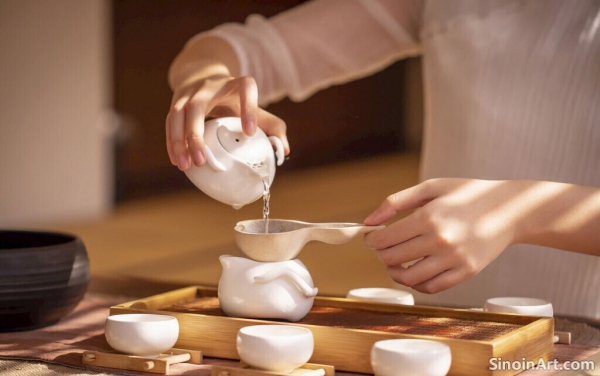 The Gongfu Cha method involves multiple infusions of the tea leaves, with each infusion resulting in a unique flavor and aroma profile. The brewing process is highly precise, with the water temperature and steeping times carefully controlled. This precise method of brewing allows for a complete appreciation of all the different elements of the tea. The tea ceremony is not only about brewing tea; it is also about cultivating mindfulness, appreciating beauty, and fostering connection with others. It emphasizes the value of taking time to fully experience all that tea has to offer. The ceremony is a celebration of life, and of tradition. |
Tag : Gongfu Cha, Chinese Tea Ceremony, Tea Ritual, Tea Brewing, Tea Traditions
Related information
- Tea and Health: Exploring the Wellness Benefits of Chinese Tea
- The Legacy of Pu-erh: A Tea That Ages Like Fine Wine
- The Variety of Chinese Teas: A Journey Through Flavors and Regions
- The Future of Chinese Tea: Balancing Tradition and Innovation
- Pu-erh Tea: The Complex World of Fermented Tea
This article examines the various health benefits associated with drinking Chinese tea, discussing its antioxidant properties, potential impact on cardiovascular health, and its overall contribution to well-being.
Delve into the fascinating world of Pu-erh tea, a unique Chinese tea prized for its aging potential. Learn the difference between Sheng and Shou Pu-erh and how the fermentation process transforms its flavor over time.
Embark on a journey through the vast world of Chinese tea varieties, exploring the unique characteristics of green, black, oolong, white, and dark teas, and the regions where they originate.
Explore the future of Chinese tea and how it balances tradition with innovation. Discover the trends shaping the tea industry, from sustainable farming to modern technology, and how they ensure the longevity and relevance of Chinese tea culture.
This article explores the unique world of Pu-erh tea, examining its fermentation process, aging potential, the various types available, and the regional significance of this unique tea.