Maintaining Your Teaware: Cleaning and Care Tips
|
Proper cleaning and care of Chinese teaware are essential for maintaining its beauty, functionality, and overall quality. Different materials require different care methods. Regular maintenance will ensure that these items remain a part of your tea drinking routine for years to come. 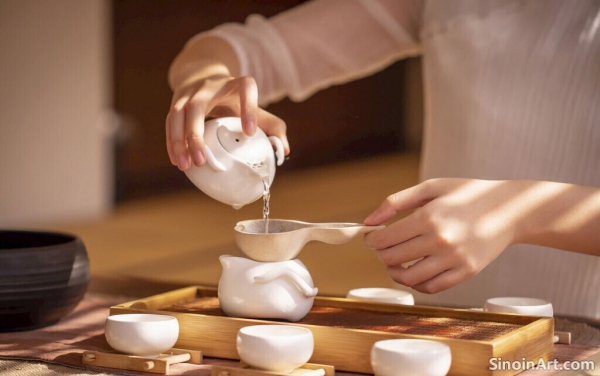 Yixing clay teapots should not be washed with soap or detergent, as these can be absorbed by the porous clay. Instead, simply rinse with hot water and allow to air dry. The natural patina that develops on these pots is part of their value, and should be preserved. Proper care of Yixing clay teapots is essential to their value.  Porcelain, glass, and stoneware teaware can generally be washed with mild soap and water, but it’s important to rinse thoroughly to remove any soap residue. These items should also be allowed to air dry fully before storing, to prevent mold or mildew. Regular cleaning will help to maintain their clarity, as well as their overall quality. 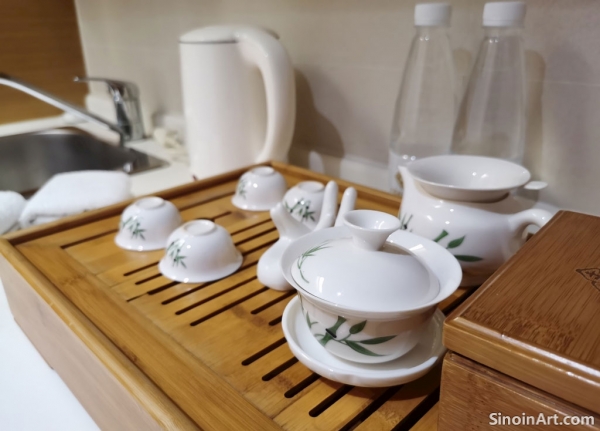 Avoid using abrasive cleaners, brushes, or cloths on any teaware as they can scratch or damage the surface. Soft cloths and gentle cleaning methods are essential for keeping your teaware looking its best. Harsh chemicals can damage the finish, and abrasive materials can scratch the surface of teaware. Handle teaware with care, avoiding sudden changes in temperature, which can cause cracking or damage. Sudden changes in temperature, from hot to cold, can cause thermal shock, leading to breakage, or damage to the teaware. Extreme temperatures should always be avoided. By following these basic guidelines, you can ensure that your Chinese teaware remains both beautiful and functional for years to come, allowing you to continue to enjoy the ancient art of tea. Regular and gentle care will help to preserve the value, and quality of your teaware for the future. |
Tag : Teaware Cleaning, Teaware Care, Teapot Maintenance, Tea Cup Cleaning, Teaware Longevity
Related information
- The Future of Chinese Tea: Sustainability and Modern Innovations
- The Timeless Tradition: An Introduction to Chinese Tea
- The Timeless Ritual of Gongfu Tea
- Tea and Health: Exploring the Wellness Benefits of Chinese Tea
- Pu-erh Tea: The Complex World of Fermented Tea
This article discusses the future of Chinese tea, addressing issues of sustainability, ethical practices, and innovative technologies that are shaping the tea industry for future generations.
This article provides a comprehensive introduction to Chinese tea, covering its history, cultural significance, and the diversity of types available.
Explore the intricate art of Gongfu tea, a traditional Chinese tea ceremony emphasizing precision, patience, and mindfulness. Learn about the specific tools, brewing techniques, and the cultural significance of this art form.
This article examines the various health benefits associated with drinking Chinese tea, discussing its antioxidant properties, potential impact on cardiovascular health, and its overall contribution to well-being.
This article explores the unique world of Pu-erh tea, examining its fermentation process, aging potential, the various types available, and the regional significance of this unique tea.