The Cultural Significance of Xieyi: Beyond Artistic Form
|
Xieyi painting is more than just an art form; it's a profound expression of Chinese culture, history, and philosophy. It embodies the values, aesthetics, and worldview of Chinese civilization, reflecting a deep connection to nature, spirituality, and personal expression. Understanding the cultural significance of Xieyi is essential to appreciating its true depth and meaning, connecting the viewer with the soul of Chinese civilization. 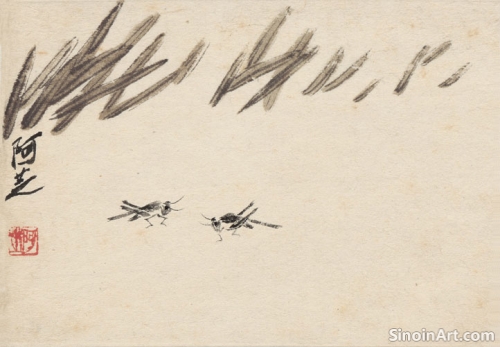 Xieyi painting is rooted in the Chinese philosophy of Daoism, which emphasizes the importance of spontaneity, naturalness, and harmony with the world around us. The artist's ability to capture the essence of a subject in a few strokes reflects the Daoist belief that the true nature of things lies in their underlying spirit, not just in their outward appearance. The Daoist philosophy influences the essence of Xieyi painting. 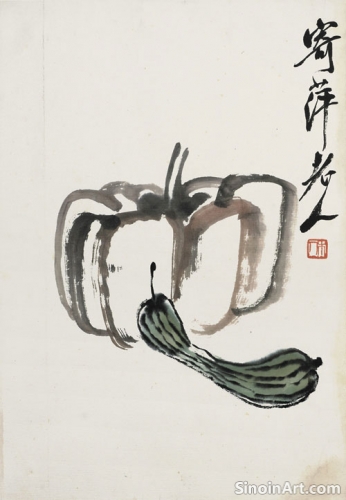 The emphasis on personal expression in Xieyi painting reflects the Chinese value placed on individuality and creativity. Unlike more rigid art forms, Xieyi allows artists to express their unique perspectives, thoughts, and emotions. It encourages a personal interpretation of the world, which is highly valued in Chinese philosophy. 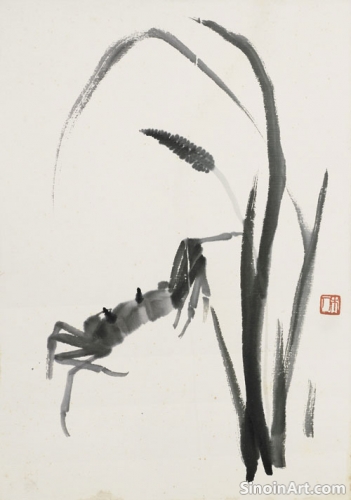 Xieyi painting is also deeply connected to the traditions of Chinese calligraphy. The use of brush, ink, and the emphasis on gestural brushstrokes link the two art forms, each enhancing the expressiveness and the beauty of the other. Calligraphy and painting are considered to be related and integral to Chinese culture. Beyond its philosophical and artistic values, Xieyi painting has played a significant role in the transmission of Chinese history and culture. Its unique style and subject matter reflect the tastes, preferences, and values of different historical periods. It is seen as a visual record of Chinese history and culture. Ultimately, Xieyi painting is a powerful expression of Chinese cultural identity. It reflects the values, aesthetics, and worldview of Chinese civilization. Its emphasis on spontaneity, expressiveness, and the capture of inner truths offer a window into the heart and soul of Chinese art and tradition. The art form bridges cultural differences and connects people through the shared appreciation of beauty. |
Tag : Cultural Significance Xieyi, Chinese Art and Culture, Traditional Chinese Philosophy, Chinese Artistic Heritage, Ink Painting Traditions
Related information
- Xieyi Flowers and Birds: Expressing Life’s Vitality
- Xieyi and the Concept of "Shu Hua Tong Yuan"
- Xieyi Painting and the Concept of "Jing Jie"
- Xieyi Painting and the Depiction of Mountains
- The Concept of "Yi" in Xieyi Aesthetics
The depiction of flowers and birds (花鸟画, huaniao hua) is another important theme in Xieyi painting, serving as a way to express life's vitality and beauty. Artists seek not just to portray the outward appearance of these subjects, but also to convey their inherent energy and spirit.
"Shu Hua Tong Yuan" (calligraphy and painting share the same source) is a fundamental concept in Chinese art and Xieyi painting, highlighting the shared tools, techniques, aesthetic principles, and expressive potential between calligraphy and painting, with calligraphic brushwork central to the Xieyi technique.
"Jing Jie" (realm) in Xieyi refers to the artist's pursuit of spiritual enlightenment, transcending technical skill to achieve a deeper understanding of themselves, their subject, and the universe, emphasizing intuition, spontaneity, and interconnectedness as they strive for artistic and spiritual transformation.
Mountains in Xieyi are depicted through washes and suggestive strokes to capture their grandeur, scale, texture, and symbolic connection to stability, timelessness, and the human-nature relationship, reflecting the artist's emotional response to their beauty, power, and mystery.
"Yi" (untrammeled) is a highly valued aesthetic in Xieyi painting, referring to effortless freedom, spontaneity, a lack of artifice, and a sense of naturalness, achieved by letting go of rigid rules, allowing intuition to guide the brush, and creating artworks that are both expressive and simple.