Xieyi Painting and its Global Influence
|
Xieyi painting, while deeply rooted in Chinese culture, has had a significant influence on artists and art movements around the world. The principles of spontaneity, expressiveness, and the use of suggestion have resonated with artists from various backgrounds and cultures. Its appeal goes beyond cultural boundaries. Its influence can be seen in many different forms of contemporary art.  The impact of Xieyi can be seen in the development of abstract expressionism, where artists similarly emphasized the act of painting, spontaneity, and the expression of inner emotions. The sense of direct expression that is core to the Xieyi tradition also resonates with this later art movement. It shows that the influence has crossed cultural boundaries.  Many contemporary artists have incorporated elements of Xieyi into their work, experimenting with the use of ink and washes, and exploring the expressive potential of line and form. These contemporary approaches often borrow from the tradition but offer a unique and modern interpretation. It is a tradition that continues to evolve in new and dynamic ways. 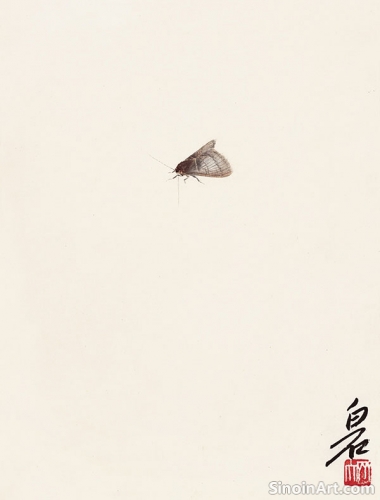 The emphasis on capturing the essence of things, rather than merely their surface appearance, has also influenced the way that artists from around the world approach representation. It encourages a more interpretive approach to art-making. It is the underlying intention of the artistic process that remains influential. The global impact of Xieyi painting is a testament to its enduring power and timeless aesthetic. It continues to inspire artists and to resonate with audiences across the world, serving as a constant source of innovation and creativity. The tradition transcends its cultural origins to provide inspiration for artists globally. It continues to evolve and influence artists around the world. |
Tag : Global influence, international art, ink wash impact, abstract painting, art movement
Related information
- Xieyi Flowers and Birds: Expressing Life’s Vitality
- Xieyi Painting and the Use of "Boneless Technique" ( Mògǔ)
- The Significance of Composition in Xieyi
- Xieyi Painting and the Appreciation of Imperfection
- Xieyi Painting and the "Spirit of the Brush"
The depiction of flowers and birds (花鸟画, huaniao hua) is another important theme in Xieyi painting, serving as a way to express life's vitality and beauty. Artists seek not just to portray the outward appearance of these subjects, but also to convey their inherent energy and spirit.
The "Boneless Technique" (mògǔ) in Xieyi relies on the absence of outlines, instead using washes of ink and color to create form and texture, resulting in fluid, organic works that require skill in blending and layering, as well as spatial awareness.
Composition, including the strategic use of negative space, asymmetrical balance, and flowing lines, is vital in Xieyi painting, guiding the viewer's eye, creating a sense of harmony, and supporting the artist's intention, despite the art form's seemingly spontaneous nature.
Xieyi painting embraces imperfection as a source of beauty and reflects the spontaneity of the natural world, valuing the unpredictable nature of ink and brushstrokes, the unique hand of the artist, and the philosophy of Daoism, inviting viewers to appreciate the process and the authentic human element within the artwork.
"Spirit of the Brush" (bǐyì) is central to Xieyi, emphasizing the unique expressive quality and energy that emanates from the brushstrokes, reflecting the artist's inner state, personal vision, and technical mastery, with each brushstroke imbued with intention, life, and a sense of spontaneity.