The Concept of "Yi" in Xieyi Aesthetics
|
"Yi" (逸), often translated as "untrammeled," "free," or "unrestrained," is a highly valued aesthetic quality in Xieyi painting, referring to a sense of effortless freedom, spontaneity, and a lack of artifice in the artwork. It's about creating an impression of naturalness and ease that goes beyond mere technical skill. It represents the freedom and spontaneity of the artistic act. 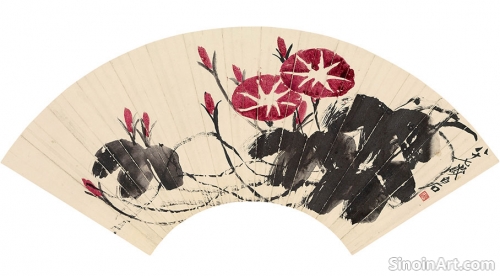 The pursuit of "Yi" involves letting go of rigid rules and conventions, allowing the brush to move freely across the paper, guided by intuition and the artist's inner feelings. The artist is not constrained by pre-conceived ideas, but instead they allow their creative vision to take over. This spontaneity is what creates the sense of freedom in the artwork. 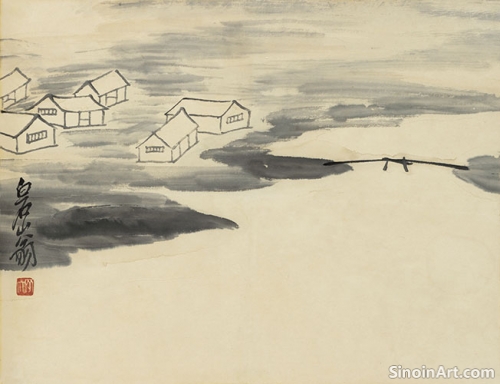 The sense of freedom in “Yi” is never chaotic, instead it is guided by the artist's experience and underlying technical skill. The artist must have a solid foundation in the basics before they can truly achieve this level of freedom. It's the ability to work from a place of confidence and skill. 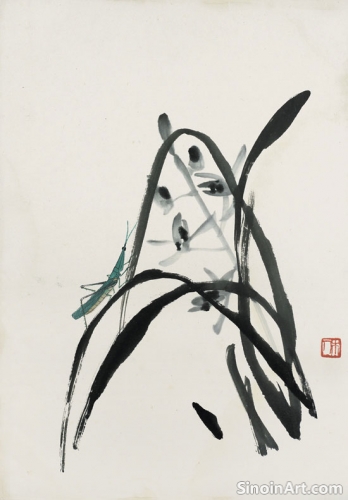 An artwork that embodies "Yi" often appears to be simple and effortless, but this simplicity belies the depth of understanding and technical skill that lies beneath the surface. The goal is to create an artwork that is both beautiful and deeply expressive, and that is never contrived or artificial. Ultimately, the aesthetic quality of "Yi" seeks to capture the feeling of the natural world, with its inherent spontaneity, grace, and lack of artifice. It is about creating something that is both true and beautiful, reflective of the natural world, and of the inner nature of the artist. |
Tag : Yi in art, untrammeled style, Xieyi freedom, unrestrained art, spontaneous feeling
Related information
- Xieyi Painting and the Concept of 'Yi'
- Common Subjects in Xieyi Painting
- Xieyi Landscape Painting: Capturing the Spirit of Nature
- The Significance of the Seal in Xieyi
- Xieyi Painting in the Modern World: A Timeless Art
'Yi' is a central concept in Xieyi painting, referring to the inner intent, meaning, and spirit that the artist aims to convey, emphasizing intuitive expression, suggestive imagery, and the viewer's active participation in interpreting the artwork.
Common subjects in Xieyi painting include bamboo, plum blossoms, landscapes, birds, flowers, and animals, each imbued with symbolism and representing aspects of nature and the artist's inner world.
Landscape painting (山水画, shanshuihua) is a major theme in Xieyi, reflecting a deep reverence for nature. Artists seek not to replicate realistic views, but to capture the essence and spirit of the natural world. They aim to evoke a feeling of vastness, serenity, and harmony.
The seal (yìn) is an essential component of Xieyi painting, serving as the artist's signature, authenticating the artwork, adding to its visual composition, and often expressing personal philosophy or tracing provenance, all within the context of Chinese artistic tradition.
This article explores the evolution of Xieyi painting in the modern world, highlighting the incorporation of contemporary themes, new materials, digital technologies, globalization, and its continued relevance.