The Concept of "Yi Bi Cheng Qiao" in Xieyi
|
The phrase "Yi Bi Cheng Qiao" (一筆成巧), often translated as "skill achieved in one brushstroke," is a core concept in Xieyi painting, emphasizing the importance of precision, confidence, and spontaneity in each brushstroke. This concept highlights the efficiency and effectiveness of the Xieyi technique. It means the artist must be fully present in each stroke. 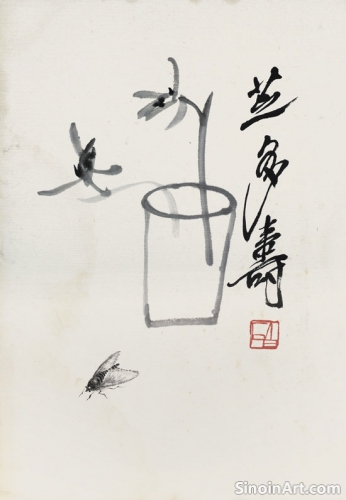 It does not mean that a single stroke will always create the perfect outcome; it conveys that the artist should aim for efficiency, confidence, and decisiveness. It’s about conveying the essence of a subject with a minimum number of strokes, without unnecessary hesitation or correction. A single stroke should be imbued with purpose and intent. 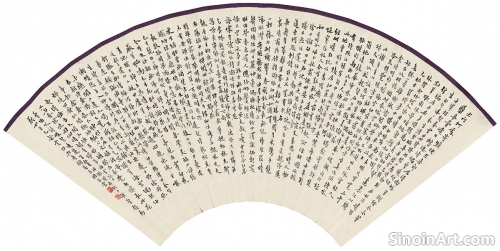 The pursuit of "Yi Bi Cheng Qiao" requires extensive practice and mastery of brush control, ink application, and composition. The artist must cultivate a deep connection with the materials and a profound understanding of their subject. It’s a process of dedicated training, both physical and mental. The technical mastery is essential for true freedom. 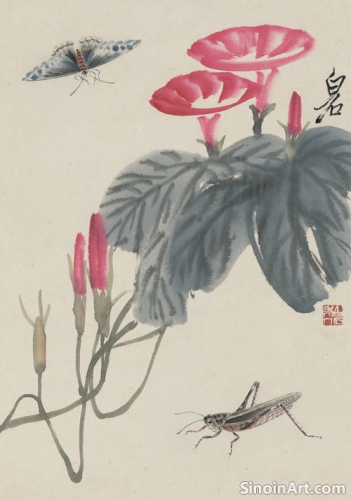 This principle is closely related to the concept of spontaneity. The artist does not aim to plan every stroke in advance but instead works intuitively, allowing their brush to flow freely across the paper. The ideal is to achieve this effect while maintaining a high level of control. It is about the fusion of preparation and spontaneity. Ultimately, "Yi Bi Cheng Qiao" embodies the ideal of creating art that is both effortless and profound, seemingly simple yet deeply expressive. The single brushstroke carries the weight of all the artist's training, and creative intentions. This pursuit of simplicity and expressiveness is a central goal in Xieyi painting. |
Tag : one stroke painting, Xieyi skill, brushstroke mastery, spontaneity in art
Related information
- The Influence of Zen Buddhism on Xieyi Painting
- Xieyi Painting and the Depiction of Landscapes
- Xieyi Painting and its Global Influence
- The Use of "Blank Space" in Xieyi
- Modern Interpretations and Contemporary Xieyi
Zen Buddhism has had a significant influence on the philosophy and practice of Xieyi painting. Zen’s emphasis on mindfulness, spontaneity, and direct experience resonates deeply with the core principles of Xieyi art. The relationship between Zen and Xieyi art is profound and ongoing.
Xieyi landscapes (shānshuǐ) emphasize grandeur, depth, and qi, using negative space and suggestive brushstrokes to capture the essence, atmosphere, and inner vitality of the natural world, and expressing the artist’s connection to nature and understanding of the Tao.
Xieyi painting has influenced artists and art movements globally through its emphasis on spontaneity, expression, and suggestion, with its impact seen in abstract expressionism and many contemporary approaches to the application of ink, form, and the expressive potential of line, reflecting its enduring power and universal appeal.
Liúbái (blank space) is a vital element in Xieyi painting, creating balance, depth, atmosphere, and encouraging active viewer participation while reflecting philosophical concepts of emptiness and possibility. It's as important as the inked areas.
Modern Xieyi painting is adapting to contemporary contexts through incorporating new techniques, subject matter, and philosophical ideas, while remaining grounded in the core principles of spontaneity, expression, and the pursuit of qi, and pushing its boundaries into the modern art world.