Xieyi Painting in the Modern World: A Timeless Art
|
Despite its ancient roots, Xieyi painting continues to be a relevant and vibrant art form in the modern world. Contemporary artists are not only honoring the traditions of the past but also pushing the boundaries of the style, exploring new themes, and integrating new technologies. This adaptability ensures that Xieyi remains a powerful means of creative expression for artists worldwide. 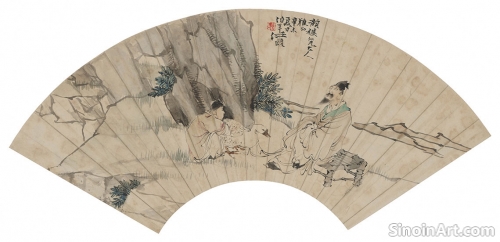 One of the most significant developments in modern Xieyi painting is the incorporation of contemporary themes and subject matter. While traditional Xieyi often focused on landscapes, birds, and flowers, contemporary artists are now exploring urban scenes, abstract concepts, and social commentary. This expansion of subject matter has broadened the scope of Xieyi, making it relevant to modern audiences. 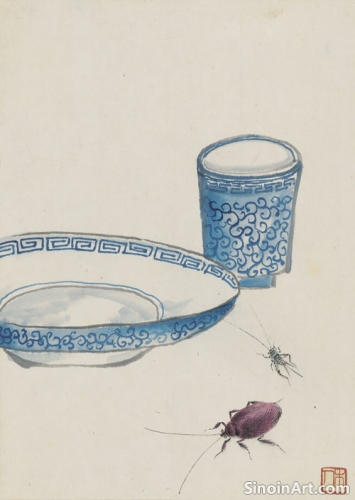 Contemporary artists are also experimenting with new materials and techniques in Xieyi painting. While ink remains the primary medium, some artists are incorporating acrylics, watercolors, and other materials to create mixed-media works. Digital tools and techniques are also being explored, creating opportunities for new forms of expression. The blending of traditional and modern has allowed for evolution. 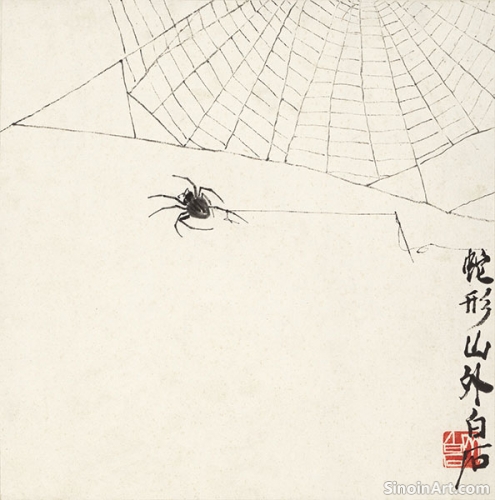 The globalization of art has also had a profound impact on Xieyi painting. As the art form gains popularity worldwide, artists from diverse cultural backgrounds are now embracing it, bringing their unique perspectives and influences to the tradition. This cross-cultural pollination is enriching the artistic vocabulary of Xieyi, opening up new avenues for innovation and development. The enduring appeal of Xieyi painting lies in its ability to transcend cultural boundaries. Its emphasis on spontaneity, expressiveness, and the capture of inner truths resonates with artists and audiences regardless of their background. The art form allows for universal expression. The universal nature of emotion makes Xieyi relatable to people around the world. In essence, modern Xieyi painting is not just a continuation of an ancient tradition; it’s a living, breathing art form that is constantly evolving and adapting to the changing world. Its continued relevance and vitality are a testament to its timeless appeal and its power to connect people through creative expression. Its flexibility allows it to adapt and evolve with the world. |
Tag : Modern Xieyi Painting, Contemporary Chinese Art, Ink Art, Innovative Painting, Expressive Art Forms
Related information
- Xieyi Painting and the Depiction of Trees
- Xieyi and the Influence of Poetry
- Ink Wash Techniques in Xieyi: Shades of Meaning
- The Importance of "Qi" in Xieyi Brushwork
- Materials and Tools for Xieyi Painting
Trees are a powerful subject in Xieyi painting, depicted through expressive brushwork and washes to capture their unique forms, textures, and symbolic representations of longevity, growth, resilience, and the connection between the human and natural realms, conveying both beauty and a profound appreciation for the cycles of life.
Xieyi painting is profoundly influenced by poetry, with literati artists integrating verse into their paintings, applying similar principles of rhythm and expression, and using symbolic imagery to convey complex ideas and personal feelings, emphasizing the interconnectedness of these art forms.
Ink wash, or shuimo (水墨), is a fundamental technique in Xieyi painting. It involves the skillful application of various shades of ink, diluted with water, to create depth, texture, and atmosphere. Mastery of ink wash is critical for achieving the desired expressive effects.
Qi (vital energy) is fundamental to Xieyi brushwork, representing the expressive quality and energy within each stroke, achieved by the artist's balance, focus, and connection with their subject, emphasizing spontaneity and imbuing the artwork with a sense of vitality and inner spirit.
The four treasures of the study - brushes, ink, paper, and inkstone – are crucial tools for Xieyi painting. Each tool, from brush construction to paper absorbency, affects the ink application and contributes to the unique character of the artwork.