Modern Interpretations and Contemporary Xieyi
|
While rooted in tradition, Xieyi painting continues to evolve and adapt to modern contexts. Contemporary artists are pushing the boundaries of the style, exploring new subject matter, techniques, and materials, while remaining true to its core principles of spontaneity, expression, and the pursuit of the essence of things. This continual evolution ensures Xieyi’s relevance in the modern art world. 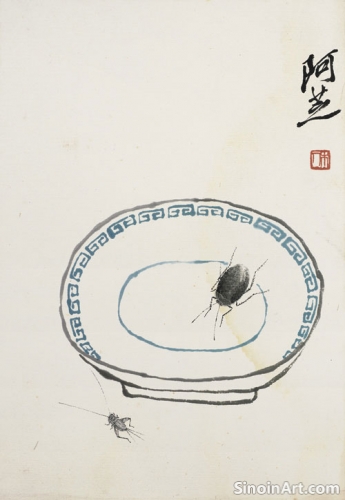 Many contemporary Xieyi artists are incorporating elements of Western art, such as abstract expressionism and other forms of modern art, into their work. They are experimenting with new forms of expression, challenging traditional conventions while drawing on the deep well of Chinese ink wash history. This synthesis of styles creates new and dynamic forms of visual communication. 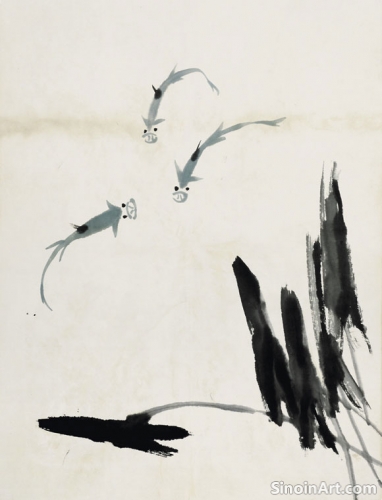 Some modern Xieyi painters are focusing on more socially relevant and contemporary themes, using the tradition to express their concerns about the modern world. They may use their art as a form of social commentary, expressing their personal responses to contemporary issues, and thus breathing new life into the art form. Xieyi offers a powerful vehicle for expressing a wide range of perspectives. 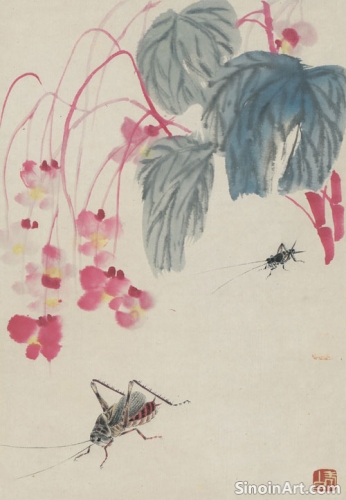 Others are focusing on the pure exploration of the materials themselves, experimenting with different types of ink, paper, and brushes to create new and unique textures and effects. They are pushing the boundaries of the medium itself, seeking new possibilities for expressive freedom through the material language of ink and water. This focus on the physical act of painting is a unique characteristic of modern Xieyi. Despite the innovations and explorations, contemporary Xieyi artists remain connected to the core principles of the style. They emphasize the importance of spontaneity, personal expression, and the pursuit of qi (vital energy). This commitment to tradition, coupled with a spirit of innovation, ensures the continued relevance and vitality of Xieyi painting in the 21st century. The art form is continually evolving, expanding its language and influence. |
Tag : Modern Xieyi art, contemporary Chinese painting, abstract ink wash, innovative techniques, social commentary art
Related information
- The Use of "Blank Space" in Xieyi
- Xieyi and the Concept of Spontaneity
- The Influence of Zen Buddhism on Xieyi Painting
- The Concept of "Yi" in Xieyi Aesthetics
- Xieyi Painting and the Depiction of Water
Liúbái (blank space) is a vital element in Xieyi painting, creating balance, depth, atmosphere, and encouraging active viewer participation while reflecting philosophical concepts of emptiness and possibility. It's as important as the inked areas.
Spontaneity is crucial in Xieyi painting, reflecting the emphasis on intuition, direct experience, and the expression of immediate feelings, allowing the artist to embrace imperfections and work in the moment, aligning with the principles of Chan Buddhism.
Zen Buddhism has had a significant influence on the philosophy and practice of Xieyi painting. Zen’s emphasis on mindfulness, spontaneity, and direct experience resonates deeply with the core principles of Xieyi art. The relationship between Zen and Xieyi art is profound and ongoing.
"Yi" (untrammeled) is a highly valued aesthetic in Xieyi painting, referring to effortless freedom, spontaneity, a lack of artifice, and a sense of naturalness, achieved by letting go of rigid rules, allowing intuition to guide the brush, and creating artworks that are both expressive and simple.
Water is a versatile subject in Xieyi, depicted through washes and expressive brushstrokes to convey fluidity, transparency, movement, and its symbolic connection to life, change, and nature, adding atmosphere and depth to landscape paintings, with varied forms representing a spectrum of feeling and power.