Contemporary Xieyi Artists to Explore
|
Exploring the work of contemporary Xieyi artists offers insight into how this ancient tradition continues to evolve and adapt to modern contexts. Many artists are pushing the boundaries of the style, exploring new themes and techniques, while maintaining a connection to the core principles of spontaneity, expression, and the pursuit of qi. Looking at these contemporary artists will deepen one's understanding of the ongoing evolution of Xieyi. 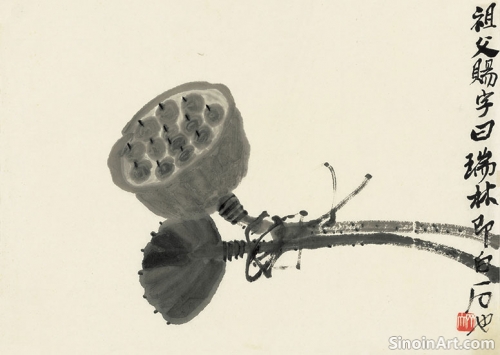 Some contemporary artists are incorporating elements of abstraction into their work, exploring the interplay of ink and space, and creating highly evocative and expressive compositions. They are not limited by tradition, but are building upon it. Abstraction offers a powerful new form of expression for the tradition. 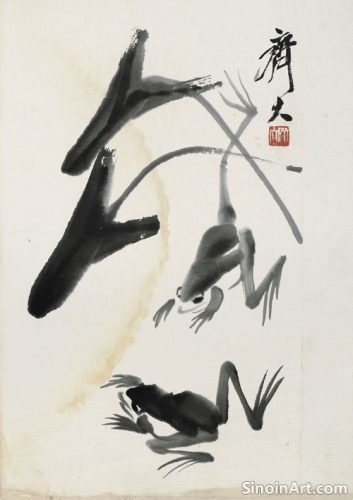 Others are focusing on exploring social and political issues through the language of Xieyi, using their art as a form of commentary and critique. These themes often offer new challenges and insights into the contemporary world. Xieyi is a powerful vehicle for expression beyond simple representation. 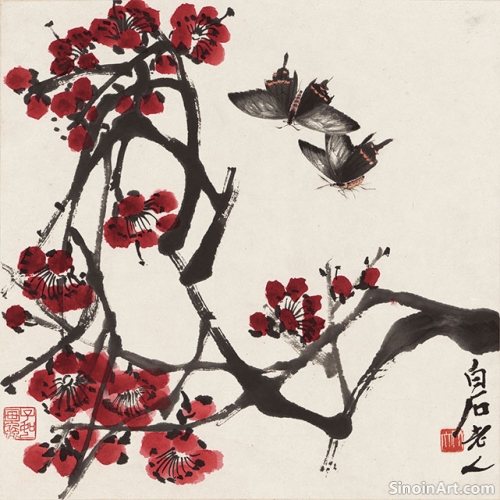 Many artists are experimenting with new materials and techniques, creating innovative and dynamic works of art that push the boundaries of the medium while maintaining a connection to its historical roots. The possibilities for creative expression are continually expanding. This experimentation expands the boundaries of the tradition. By engaging with the works of contemporary Xieyi artists, we can gain a deeper appreciation for the vitality and relevance of this enduring art form, and see how it continues to evolve and resonate with audiences today. Looking at these artists reveals that Xieyi is a living tradition, capable of reflecting both the historical past and present. It is a journey that continues through these new artists. |
Tag : Contemporary Xieyi, modern Chinese artists, abstract ink, innovative art, current art trends
Related information
- Xieyi Painting in the Modern World: A Timeless Art
- The Importance of Practice in Xieyi
- The Influence of Chan (Zen) Buddhism on Xieyi
- Xieyi Painting and the Concept of "Qi Yun"
- Xieyi Landscape Painting: Capturing the Spirit of Nature
This article explores the evolution of Xieyi painting in the modern world, highlighting the incorporation of contemporary themes, new materials, digital technologies, globalization, and its continued relevance.
Dedicated and consistent practice is essential for mastering Xieyi painting, developing technical skills, intuition, and spontaneity, while also fostering patience, perseverance, and a deeper understanding of the art form's philosophy and aesthetics, transforming the practice into a form of self-discovery.
Chan (Zen) Buddhism profoundly influences Xieyi painting, emphasizing intuition, direct experience, mindfulness, and the concept of emptiness, aligning with the art form's focus on spontaneity, self-expression, and the pursuit of truth through art.
Qi yun (spirit resonance) is a central aesthetic principle in Xieyi painting, referring to the overall sense of energy, movement, and vitality that emanates from the artwork, achieved through the artist's connection with their subject, spontaneity, and inner energy, and sensed by the viewer.
Landscape painting (山水画, shanshuihua) is a major theme in Xieyi, reflecting a deep reverence for nature. Artists seek not to replicate realistic views, but to capture the essence and spirit of the natural world. They aim to evoke a feeling of vastness, serenity, and harmony.