The Future of Xieyi: Innovation and Tradition
|
The future of Xieyi painting lies in a dynamic balance between innovation and tradition, with contemporary artists drawing inspiration from the rich history of the art form while also exploring new possibilities for creative expression. It is a legacy that will be continued through the artists of tomorrow. The key is to balance the past and the present.  While many artists continue to honor the traditional forms and techniques of Xieyi, they are also experimenting with new materials, incorporating digital technologies, and exploring contemporary themes. It’s about taking a well-established tradition and making it one's own. The art form is constantly evolving as new artists contribute to its creative lineage. 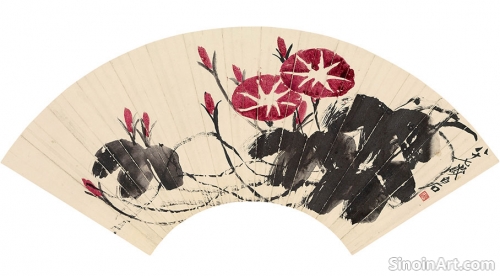 The emphasis on personal expression, spontaneity, and the pursuit of the essence of things makes Xieyi a highly adaptable art form that can be used to address a wide range of concerns and to communicate a diversity of perspectives. It is a tradition that welcomes individual interpretation and innovation. It is flexible enough to be adaptable to changing cultural needs. 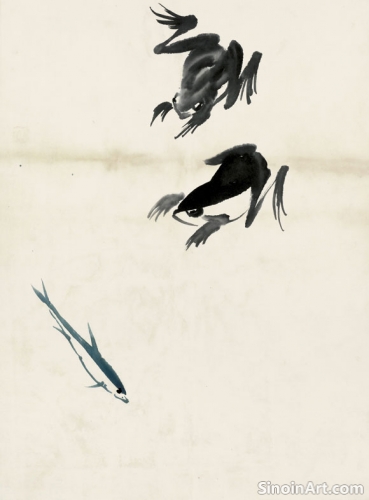 The global reach of the art world also means that Xieyi is being discovered and interpreted by artists and audiences from all corners of the world, ensuring a continued cross-cultural exchange and appreciation of this powerful and expressive art form. The increasing accessibility of art is broadening its reach and impact. This cross-cultural engagement ensures its longevity and continued relevance. The enduring power of Xieyi painting lies in its ability to touch the human spirit, to inspire contemplation, and to offer a connection to nature and to the fundamental forces of creation. This enduring power ensures that it will continue to be both personally rewarding and culturally significant. The art form continues to resonate due to its capacity to express the human condition in a way that is both meaningful and beautiful. It will continue to inspire artists for generations to come. |
Tag : Xieyi future, art innovation, creative tradition, evolving art, contemporary forms
Related information
- The Use of Ink and Water in Xieyi Technique
- Xieyi Painting and the Use of "Light Ink"
- The Role of Color in Xieyi: Subtlety and Emphasis
- The Use of "Reversed Brush" in Xieyi
- The Influence of Zen Buddhism on Xieyi Painting
The control of ink and water is fundamental to Xieyi painting, allowing for a vast range of tonal values, textures, and expressive effects. Understanding how these elements interact is essential to mastering the techniques.
"Light Ink" (dànmò) is essential in Xieyi painting, using diluted ink to create subtle tones, soft washes, atmosphere, depth, and delicate transitions, requiring a mastery of brush control, ink dilution, layering, and a delicate touch to convey a sense of quiet beauty.
While often associated with monochromatic ink washes, color plays a significant role in many Xieyi paintings. When color is used, it is often applied subtly, with careful consideration for how it can enhance the overall composition. Color serves not as a literal depiction of reality but as an expressive tool that accentuates the subject’s spirit.
The "Reversed Brush" (nìfēng) in Xieyi involves starting a stroke by moving the brush in the opposite direction, then reversing to create strong, textured, dynamic lines, conveying a sense of force, resistance, and visual interest, while requiring precise control and a deep understanding of brush responsiveness.
Zen Buddhism has had a significant influence on the philosophy and practice of Xieyi painting. Zen’s emphasis on mindfulness, spontaneity, and direct experience resonates deeply with the core principles of Xieyi art. The relationship between Zen and Xieyi art is profound and ongoing.