Bronze Ware and Ancient Chinese Astronomy: Celestial Charts and Observational Tools
|
Beyond depictions of celestial motifs on bronze objects, bronze was also used to create actual tools for astronomical observation and for charting and understanding the night sky, demonstrating the importance of the study of the heavens in ancient Chinese culture. The use of bronze in the production of these instruments highlights the interplay between artistic expression, technical expertise, and the desire to understand the larger universe. 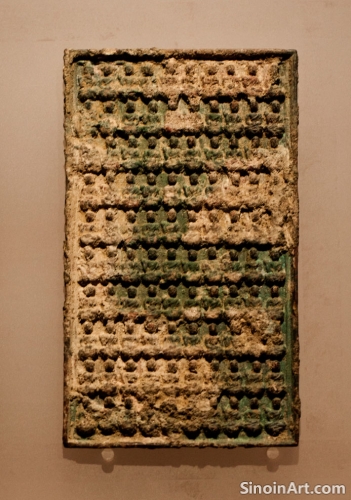 Bronze armillary spheres, which depicted the movements of celestial bodies, were carefully calibrated and constructed, allowing for a greater understanding of planetary motion. The careful creation of these instruments highlights the advanced scientific knowledge of the time. These instruments were designed to carefully model the movements of the heavens and to make them more easily understood.  Bronze sundials, also created at this time, were important for tracking time and creating calendars, providing a framework for agricultural and ritual practices. The careful construction of these instruments is a testament to the technical skills of the era. These instruments helped to connect the earthly realm with the patterns and cycles of the heavens.  Bronze was also used in the creation of other instruments, including astrolabes and other tools for observation, and helped to facilitate the collection of astronomical data and its accurate interpretation. The creation of specialized tools allowed for even more detailed observations and a better understanding of the cycles of the heavens. The study of these bronze astronomical instruments helps to illuminate both the ancient Chinese understanding of the cosmos and the technical skills that were required to create these complex artifacts. The combination of art, science, and technology was a key component of these pieces, and they are a testament to both the skills and the values of the time. |
Tag : bronze astronomy tools, Chinese celestial charts, armillary sphere, sundials, ancient instruments
Related information
- The Influence of Bronze Ware on Later Chinese Decorative Arts
- Exploring Chinese Bronze Ware: A Guide for Beginners
- The Influence of Zhou Dynasty Ritual Bronzes on Later Chinese Art and Culture
- Bronze Ware and Ancient Chinese Understandings of the Natural World: Animal Symbolism and Ecological Awareness
- The Challenges of Reconstructing Ancient Bronze Casting Techniques: Experimental Archaeology
This article explores the influence of bronze ware on later Chinese decorative arts, highlighting its impact on forms, motifs, and aesthetic principles, and demonstrating the enduring legacy of bronze design across various art media.
This article provides a guide for beginners to the study of Chinese bronze ware, outlining key periods, types of objects, common motifs, and providing a roadmap for a deeper exploration of this fascinating art form.
This article explores the lasting influence of Zhou Dynasty ritual bronzes on later Chinese art and culture, highlighting their impact on forms, designs, the importance of inscriptions, and the continued relevance of ritual and ancestral veneration.
This article explores how bronze ware reflects ancient Chinese understandings of the natural world, highlighting the detailed representations of animals, plants, and landscapes, and demonstrating the ancient awareness of the interconnectedness of humans and their environment.
This article explores the challenges of reconstructing ancient Chinese bronze casting techniques through experimental archaeology, highlighting the process of recreating tools, materials, and methods, and revealing the skills and challenges faced by ancient bronze workers.