The Use of Bronze in Ancient Chinese Medicine: A Focus on Acupuncture and Related Instruments
|
While bronze was sometimes used to create vessels for preparing remedies, it also played a key role in the development of ancient Chinese acupuncture and its related instruments, highlighting the interconnectedness of material culture, healing, and the practice of medicine. The precision use of bronze tools for acupuncture reflects the sophisticated understanding of the body that was present at the time. The use of these tools was an important element of ancient Chinese healing practices. 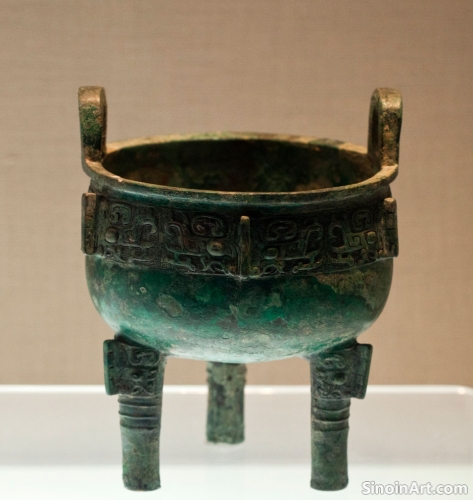 Bronze was used to create acupuncture needles, each precisely shaped and crafted to specific standards of length, thickness, and point sharpness, all designed to ensure that the needles could be used with the highest level of precision and safety. The specific design and composition of these needles reflected an understanding of both medicine and metalworking. 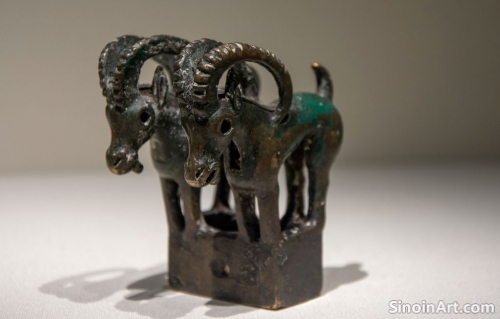 Bronze was also used to create other types of medical instruments that were used in conjunction with acupuncture, including probes, lancets, and other tools designed to stimulate specific points on the body. The use of specialized tools shows a sophisticated approach to medical treatment. These instruments were carefully designed for both precision and effectiveness. 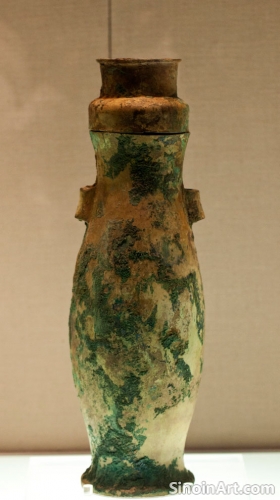 The integration of bronze into acupuncture practices highlights the sophistication of both metalworking and medical practice in ancient China, and they represent the ingenuity of the ancient people who combined both areas of knowledge and experience. The combination of science, technology, and a belief in healing was a key element in ancient Chinese approaches to health and medicine. The study of bronze in relation to acupuncture reveals a fascinating insight into the relationship between material culture and traditional medical practices, demonstrating the importance of both the techniques and the materials used in ancient healing traditions. The study of these instruments provides insight into the development of ancient Chinese medicine and also to its material practices. |
Tag : bronze acupuncture, Chinese medicine, ancient healing tools, medical instruments, needle techniques
Related information
- The Preservation of Bronze Ware: Balancing Scientific Methods with Artistic Understanding
- The Ethical Considerations of Collecting and Studying Ancient Chinese Bronze Ware
- Bronze Ware and Ancient Chinese Communication Systems: Signals, Markers, and the Transmission of Information
- The Evolution of Bronze Casting Techniques: From Early Molds to Complex Vessels
- Bronze Ware and Ancient Chinese Astronomy: Calendars, Timekeeping, and Ritual Observances
This article explores the preservation of Chinese bronze ware, highlighting the balancing act between scientific analysis and artistic understanding, the need for specialized techniques and ethical considerations, and also the need to provide access and ensure their long-term care.
This article examines the ethical considerations of collecting and studying ancient Chinese bronze ware, highlighting issues of provenance, cultural heritage, responsible research methods, and the need for careful stewardship of these irreplaceable artifacts.
This article explores the use of bronze in ancient Chinese communication systems, highlighting its role in creating signaling devices, markers, and other tools for transmitting messages, ensuring that both visual and auditory forms of communication were implemented across large distances.
This article explores the evolution of bronze casting techniques in China, from simple molds to the piece-mold and lost-wax methods, highlighting the technological innovation and artistic mastery of ancient Chinese metalworkers.
This article explores the role of bronze ware in the development of ancient Chinese calendars, highlighting its use in creating timekeeping devices, marking ritual cycles, and reflecting the connection between astronomy, time, and religious observances.