The Use of Bronze in Ancient Chinese Military Armor: Protection and Power on the Battlefield
|
While bronze weapons were a key part of ancient Chinese warfare, bronze was also used to create a variety of protective armor for soldiers, ranging from helmets to body armor, highlighting the importance of both offense and defense in ancient military strategy. The combination of military theory and the use of advanced technologies helped to create a formidable fighting force. 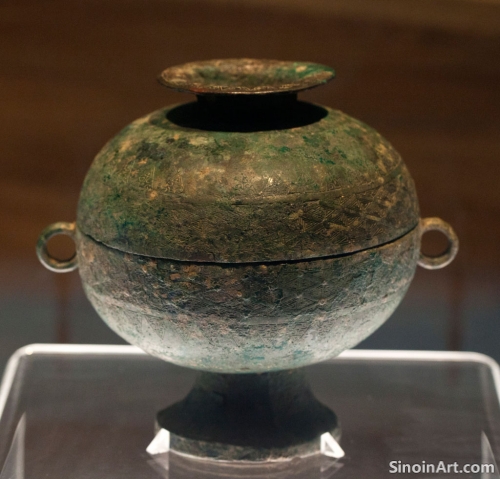 Bronze helmets, often carefully designed to protect the head and face, were essential pieces of armor for ancient Chinese soldiers, and were sometimes highly decorated to help identify rank and to convey status. The helmets often combined both functionality and artistic style. The quality of the materials and workmanship also helped to enhance the visual impact of the armor. 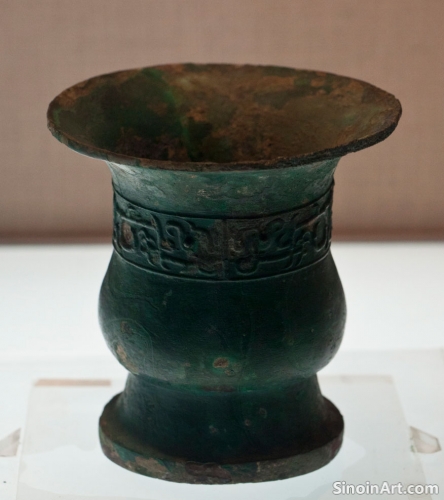 Bronze armor plates, often linked together to form protective garments, provided important protection for the body, while also allowing for a certain degree of flexibility and movement. The ability of bronze to provide both protection and mobility made it an ideal choice for military armor.  Bronze fittings were often added to leather and textile armor, enhancing its strength and reinforcing areas that were particularly vulnerable to attack. The strategic use of bronze to reinforce other materials helped to create more durable and more effective forms of armor. The combination of different materials was often essential to both functionality and protection. The use of bronze in armor reflects both the technical skill of ancient Chinese metalworkers and their deep understanding of military strategy and design. The careful combination of materials, styles, and function is a hallmark of this era of military innovation. The careful application of these principles helped to create a more effective military force. |
Tag : bronze armor, ancient Chinese military, battle protection, helmet design, armored warfare
Related information
- The Preservation of Bronze Ware: The Impact of Environmental Factors and Storage Conditions
- The Production and Use of Bronze in Ancient Chinese Musical Instruments: Harmony and the Cosmos
- The Role of Patronage in the Production of Tang Bronze Ware: Court and Aristocracy
- The Preservation of Bronze Artifacts: Understanding the Chemistry of Corrosion and Deterioration
- The Craftsmanship Behind Chinese Bronze Ware: Techniques and Methods
This article explores the impact of environmental factors and storage conditions on the preservation of Chinese bronze ware, highlighting the causes of corrosion, the role of humidity and pollutants, and the need for careful management of storage environments.
This article explores the use of bronze in ancient Chinese musical instruments, highlighting the technical skill involved in their creation, the cosmological beliefs they represent, their role in ritual practices, and the interplay between music, spirituality, and the material world.
This article explores the role of patronage in the production of Tang Dynasty bronze ware, highlighting how the imperial court and aristocracy commissioned objects, influencing the style, types, and uses of these artifacts.
This article explores the chemistry of bronze corrosion and deterioration, highlighting the scientific principles behind conservation efforts, and the methods and techniques used to stabilize and preserve these artifacts for future generations.
This article explores the craftsmanship behind Chinese bronze ware, detailing the lost-wax casting method, the composition of bronze alloys, and the intricate techniques used to create the detailed designs, highlighting the technical mastery of ancient bronze workers.