Yuan Dynasty Ceramics and the Global Trade Network
|
Yuan Dynasty ceramics were not just made for the domestic market; they were also produced in large quantities for export, becoming a major commodity in the global trade network of the time. Yuan porcelain has been discovered throughout the world and testifies to its popularity. This trade played a crucial role in disseminating Chinese culture and art. 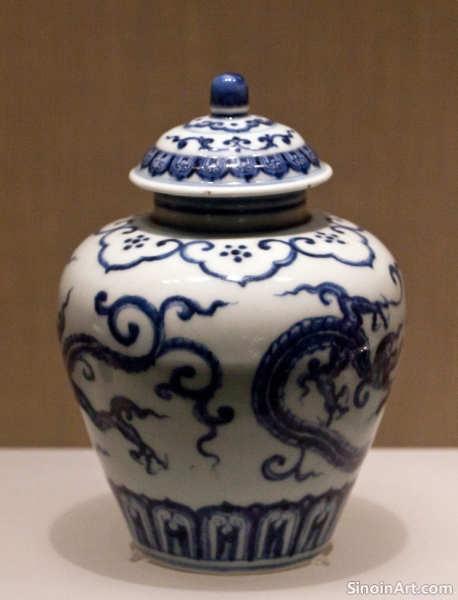 Large quantities of blue and white porcelain were exported to Southeast Asia, the Middle East, and even Europe. This trade had a profound impact on the economic development of China. The increased production of export ware also helped to drive ceramic innovation.  Export ware was often decorated with designs that appealed to the tastes of the overseas markets, demonstrating the adaptability of Yuan potters. Some of these pieces were deliberately designed for export, and demonstrate the flexibility of the ceramic artists.  The global trade in Yuan ceramics led to the exchange of ideas, materials, and technologies, further enriching the artistic landscape of the period. This exchange helped to shape ceramic styles around the world. Yuan wares are evidence of the interconnected world that existed at this time. The legacy of the global trade in Yuan ceramics is evident in the collections of museums and private collections around the world. These pieces serve as important artifacts of both Chinese and world history. The impact of Yuan ceramics is still being felt today. |
Tag : Yuan ceramics export, Global trade network, Chinese trade, Blue and white porcelain, Trade routes
Related information
- Yuan Ceramics and the Use of "Underglaze Red"
- Beyond Blue and White: Other Yuan Ceramic Styles
- Yuan Ceramics and the Use of "Copper Red" (Revisited)
- Yuan Ceramics and the Continued Production of Celadon Wares
- The Development of the Cobalt Underglaze Technique
In addition to blue and white porcelain, Yuan Dynasty potters also experimented with underglaze red, a difficult technique involving copper oxide that created a striking contrast with the white porcelain body. The creation of red designs under glaze was especially challenging and demonstrated the expertise and experimental nature of Yuan era potters.
Beyond blue and white, the Yuan Dynasty also produced diverse ceramic styles like Shufu ware, Cizhou ware, and Longquan celadon, demonstrating the breadth of creative output and technical expertise during the era.
We touched on underglaze red earlier, but a deeper look at the specific use of copper red during the Yuan is valuable. The use of copper to achieve red tones in underglaze decoration was one of the most technically challenging techniques mastered by Yuan Dynasty potters, and the difficulty in the production of this colour makes surviving examples of Yuan period red pottery especially valuable.
While blue and white porcelain rose to prominence, celadon wares continued to be produced during the Yuan Dynasty, though often with some modifications in style and technique from the Song Dynasty. These later examples of celadon ware demonstrate the continuing importance of this style, even with the arrival of new design trends.
The Yuan Dynasty mastered the cobalt underglaze technique, a pivotal ceramic innovation that allowed for intricate, controlled blue designs on porcelain, impacting later Chinese ceramics and global techniques.