Xieyi Painting and the Concept of "Yi Qian Bi Hou"
|
"Yi Qian Bi Hou" (意前筆後), often translated as "intention before the brush," is a concept central to Xieyi painting, emphasizing that the artist should have a clear vision and intention before beginning a painting, so that the brushstrokes become a natural manifestation of this underlying vision. It is a principle that emphasizes the planning that takes place before the actual execution of the artwork. The underlying concept is always more important than its manifestation. 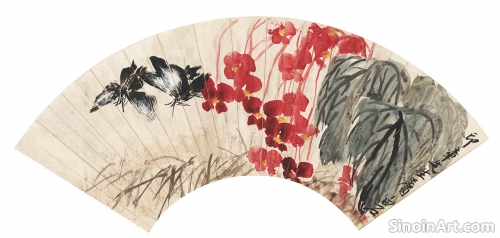 This concept means that the artist should not just be copying what they see but also expressing their own unique interpretation, feelings, and ideas about their subject. It goes beyond simple representation and it emphasizes the inner life of the artist. The artist's inner state is an essential element of the finished artwork. 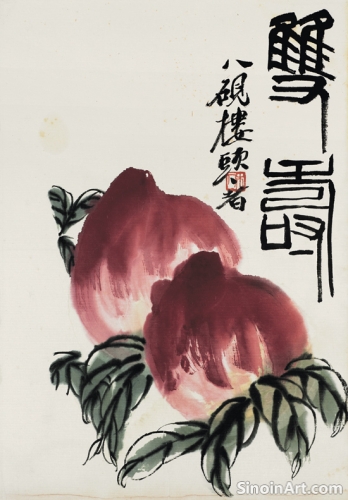 "Intention before the brush" highlights the importance of thoughtful planning and preparation, so that the artist has a strong foundation before they begin applying brushstrokes to the paper. The underlying structure is essential for the overall success of the work. It is a balance between planning and spontaneity. 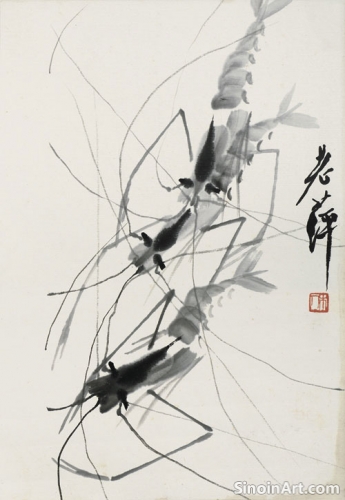 This concept emphasizes that the artist’s creative spirit should guide the brush, rather than being dictated by technical considerations alone. Technique should be used to express the creative intention of the artist, and that creativity must come from within. The technical skills are merely a tool to achieve a higher goal. Ultimately, the principle of "Yi Qian Bi Hou" underscores the belief that true art comes from the heart and mind, and that technique should always serve the artist’s inner vision. It is an expression of their unique and personal view of the world. The art should be a reflection of their inner creative voice. |
Tag : intention first, planning in art, Xieyi concept, creative vision
Related information
- The Enduring Significance of Xieyi Painting
- The Use of "Reversed Brush" in Xieyi
- The Use of Ink and Water in Xieyi Technique
- The Influence of Zen Buddhism on Xieyi Painting
- The Legacy of Xieyi: From Tradition to Innovation
Xieyi painting's enduring significance lies in its rich history, philosophical depth, and emphasis on personal expression, spontaneity, and the pursuit of essence, connecting with audiences through its timeless aesthetic, connection to nature, and human spirit, while contemporary artists ensure its continued practice, evolution, and relevance in the world of art.
The "Reversed Brush" (nìfēng) in Xieyi involves starting a stroke by moving the brush in the opposite direction, then reversing to create strong, textured, dynamic lines, conveying a sense of force, resistance, and visual interest, while requiring precise control and a deep understanding of brush responsiveness.
The control of ink and water is fundamental to Xieyi painting, allowing for a vast range of tonal values, textures, and expressive effects. Understanding how these elements interact is essential to mastering the techniques.
Zen Buddhism has had a significant influence on the philosophy and practice of Xieyi painting. Zen’s emphasis on mindfulness, spontaneity, and direct experience resonates deeply with the core principles of Xieyi art. The relationship between Zen and Xieyi art is profound and ongoing.
This article traces the legacy of Xieyi painting from its origins in the Song Dynasty to its continuous evolution through subsequent dynasties, exploring its transformation from a tradition to a vibrant contemporary practice.