The Use of Bronze in Ancient Chinese Religious Practices: Temple Offerings and Sacred Spaces
|
Beyond domestic and funerary rituals, bronze objects played a prominent role in ancient Chinese temples, used to create vessels for offerings, musical instruments for ceremonies, and other objects that were meant to create a sense of sacred space and to facilitate communication with the divine. The use of bronze in this context helped to underscore the spiritual power and importance of the places where they were used. The presence of bronze artifacts helped to create a powerful and meaningful ritual experience. 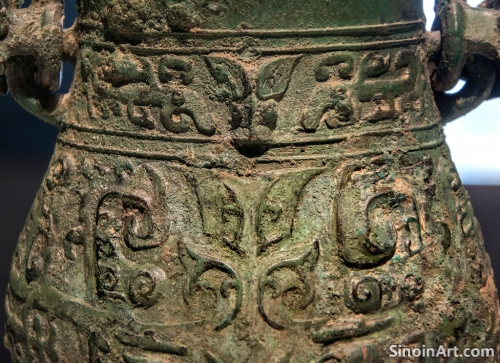 Bronze ritual vessels, often designed with specific shapes and symbolic patterns, were used to hold offerings of food, wine, and other items, dedicated to deities and spirits, and also to the ancestors who were an important part of ancient Chinese belief systems. The use of these items helped to convey both meaning and also to communicate their respect for the divine and for the world beyond. 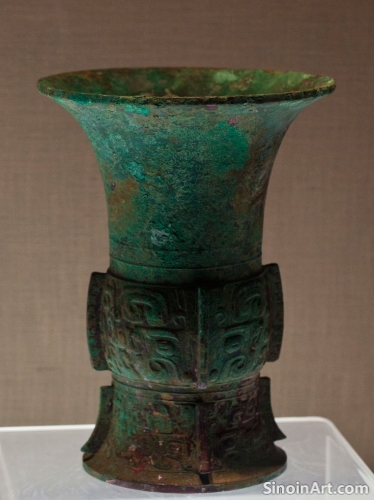 Bronze instruments, such as bells, chimes, and drums, were used to create music that accompanied rituals, with specific melodies and rhythms used to invoke the presence of spirits and to convey a sense of spiritual transcendence. The careful creation and use of these pieces helped to create a more powerful and immersive experience. The combination of music and ritual was a central component of ancient Chinese spiritual practices.  Bronze objects were also used to mark and define the boundaries of sacred spaces, often placed at entrances and other key locations, further underscoring the importance of these places. The presence of bronze in these places marked them as places of spiritual significance and power. The strategic placement of these objects helped to create a distinct and unique sense of the sacred. |
Tag : bronze religious artifacts, Chinese temples, sacred spaces, ritual offerings, divine connection
Related information
- The Challenges of Reconstructing Ancient Bronze Casting Techniques: Experimental Archaeology
- The Craftsmanship Behind Chinese Bronze Ware: Techniques and Methods
- The Use of Bronze in Ancient Chinese Maritime Navigation: Compass Design and Directional Tools
- The Role of Bronze in Ancient Chinese Agriculture: Tools, Irrigation, and Food Production
- Bronze Ware and the Development of Ancient Chinese Calendar Systems: Marking Time and Ritual Cycles
This article explores the challenges of reconstructing ancient Chinese bronze casting techniques through experimental archaeology, highlighting the process of recreating tools, materials, and methods, and revealing the skills and challenges faced by ancient bronze workers.
This article explores the craftsmanship behind Chinese bronze ware, detailing the lost-wax casting method, the composition of bronze alloys, and the intricate techniques used to create the detailed designs, highlighting the technical mastery of ancient bronze workers.
This article explores the use of bronze in ancient Chinese maritime navigation, highlighting its role in creating compasses, sighting devices, and other instruments, and demonstrating how these tools were used to facilitate long-distance sea travel.
This article explores the role of bronze in ancient Chinese agriculture, highlighting its use in creating more effective tools, developing irrigation systems, improving food processing, and its contribution to greater agricultural efficiency and economic development.
This article explores the use of bronze in ancient Chinese calendar systems, highlighting its role in creating timekeeping devices like sundials, tracking the passage of time, and linking calendars to both agricultural and ritual cycles.