Bronze Ware and Ancient Chinese Medicine: Vessels for Preparing and Storing Remedies
|
While bronze was used to make surgical and diagnostic tools, it also played a role in the preparation and storage of traditional Chinese medicine, with various vessels and containers being created from this metal. These bronze artifacts help to further illuminate the relationship between metalworking and ancient healing practices. The careful use of materials was an important element of ancient Chinese medicine. 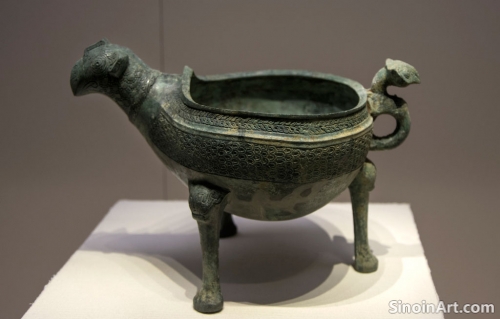 Bronze vessels were sometimes used to brew herbal remedies, their durability and temperature control making them suitable for creating medicinal concoctions. The carefully designed shapes and qualities of the containers were believed to affect the quality and efficacy of the remedies they held. The creation of these vessels shows a strong connection between healing and craftsmanship. 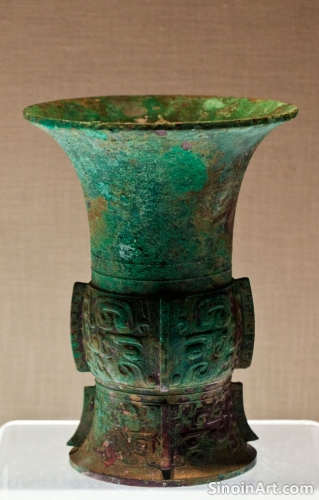 Bronze containers, often with tight-fitting lids and carefully designed interiors, were used to store prepared medicines and other therapeutic compounds, ensuring their freshness and preventing contamination. The careful design of the storage containers helped to preserve the medicinal qualities of the preparations they contained. 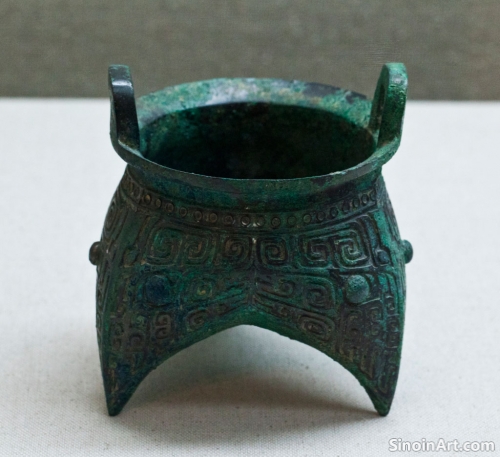 The belief that certain materials had specific healing properties may have influenced the choice of bronze for medicinal use, suggesting that the material itself was viewed as having therapeutic benefits. The properties of the materials were seen to be an important part of the healing process. The careful consideration of materials was a key component of ancient Chinese medicinal practices. The study of bronze used in connection with ancient Chinese medicine reveals the intertwining of material science, health beliefs, and the practical methods used in the pursuit of healing. The connection between different scientific and cultural practices is readily apparent in the creation of these objects. The use of these objects in daily practice reflects a sophisticated and nuanced approach to medicine. |
Tag : bronze medicine vessels, ancient remedies, Chinese herbalism, medical containers, bronze storage
Related information
- Bronze Vessels and the Concept of "Li" in Ancient China: Ritual Order and Social Harmony
- The Role of Bronze in Ancient Chinese Communication: Inscriptions, Messages, and Records
- Bronze Ware and Ancient Chinese Philosophy: Exploring the Connection Between Material Culture and Intellectual Thought
- The Development of Bronze Mirrors in the Han Dynasty: New Styles and Social Significance
- The Use of Bronze in Ancient Chinese Water Management Systems: Irrigation and Hydraulic Engineering
This article explores the connection between bronze vessels and the concept of li (禮) in ancient China, emphasizing how the proper use of vessels in rituals reinforced social order, hierarchy, and contributed to maintaining social harmony.
This article explores the role of bronze in ancient Chinese communication, highlighting how bronze objects were used to record messages, transmit laws, document events, and how they served as a medium for communication and knowledge transmission.
This article explores the connection between bronze ware and ancient Chinese philosophy, highlighting how Confucian, Daoist, and Legalist ideas influenced the forms, designs, and symbolic meanings of these objects, demonstrating the interplay between material culture and intellectual thought.
This article explores the development of bronze mirrors in the Han Dynasty, highlighting new styles, complex designs, their incorporation of cosmology, their role as status symbols, and the insights they offer into Han society.
This article explores the use of bronze in ancient Chinese water management systems, highlighting its role in irrigation, hydraulic engineering, and the creation of tools and components that helped to control and manage water resources for agriculture.