The Significance of Brushwork in Xieyi Painting
|
Brushwork is at the heart of Xieyi painting, serving as the primary means of artistic expression. The brush is not merely a tool; it is an extension of the artist’s hand and emotions. Mastery of the brush is essential to conveying the spirit and essence of a subject. 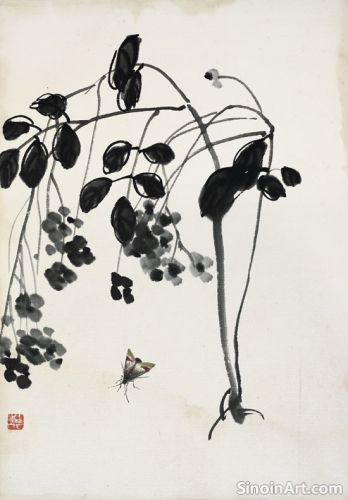 Xieyi brushstrokes are often characterized by their boldness, fluidity, and variation. Artists employ different types of brushstrokes, including dry brush, wet brush, side strokes, and centered strokes. Each stroke is meant to convey a different feeling and texture. 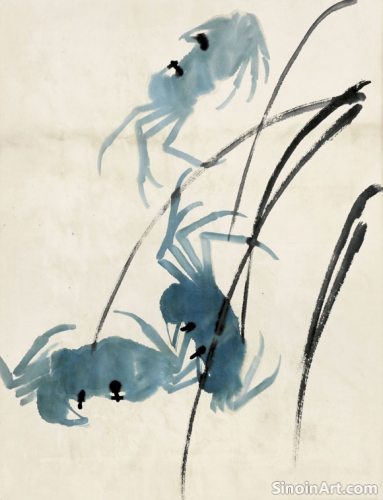 The spontaneity of the brushstrokes is a hallmark of Xieyi painting. The artist often works quickly, capturing the energy and vitality of the subject in a few swift strokes. This requires both technical skill and an intuitive understanding of the subject being painted. The relationship between brushstroke and meaning is a central concept in Xieyi. Each stroke has its own unique character and is carefully placed to express the artist's emotional response. The direction, weight, and texture of a stroke convey not only the appearance of an object, but also the artist’s personal interpretation. The importance of brushwork in Xieyi demonstrates the close link between calligraphy and painting. The brush is used to write with ink and create strokes that are both visually striking and emotionally resonant. |
Tag : Xieyi Brushwork, Chinese Ink Brush Techniques, Expressive Brushwork, Literati Painting Brushwork, Calligraphic Brush in Painting
Related information
- Common Subjects in Xieyi Painting
- Exploring the Subject of Flowers in Xieyi
- The Importance of "Qi" in Xieyi Brushwork
- The History and Evolution of Xieyi
- Xieyi Painting and the Influence of Nature
Common subjects in Xieyi painting include bamboo, plum blossoms, landscapes, birds, flowers, and animals, each imbued with symbolism and representing aspects of nature and the artist's inner world.
Flowers are a popular subject in Xieyi painting, imbued with symbolism and conveying a range of emotions. Artists focus on capturing the essential nature and vital energy of flowers through suggestive brushstrokes and subtle color washes, creating a meditative appreciation of nature's beauty.
Qi (vital energy) is fundamental to Xieyi brushwork, representing the expressive quality and energy within each stroke, achieved by the artist's balance, focus, and connection with their subject, emphasizing spontaneity and imbuing the artwork with a sense of vitality and inner spirit.
Xieyi painting evolved from the Song Dynasty literati tradition through subsequent dynasties, with key figures like Xu Wei, Qi Baishi, and Pan Tianshou contributing to its development, and continuing to influence contemporary artists.
Nature serves as the primary inspiration for Xieyi painting, influencing subject matter, aesthetic principles, and the pursuit of qi. Artists aim to capture the essential spirit and dynamism of the natural world, fostering a harmonious relationship with it through their artistic practice.