Learning Xieyi: Pathways to Expressive Mastery
|
The art of Xieyi painting, with its emphasis on spontaneity, expressiveness, and the capture of inner truths, is both alluring and challenging. For those seeking to master this traditional art form, the path requires dedication, patience, and a deep understanding of its techniques and philosophies. While many different pathways exist to study this art form, a solid foundation is key. 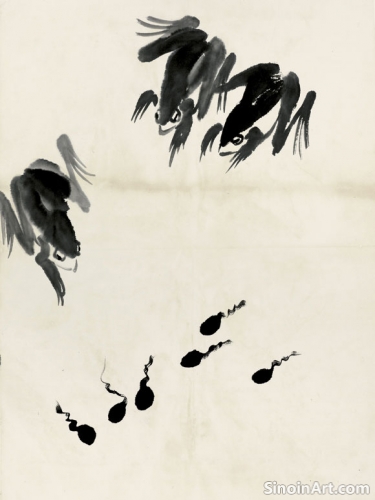 Formal art education offers a valuable pathway for learning Xieyi painting. Many universities and art schools in China and around the world offer specialized programs in traditional Chinese painting, providing a structured curriculum that covers the history, theory, and practical aspects of Xieyi. The structured approach is useful for establishing a strong foundation of skills.  Private instruction from a skilled Xieyi master is another important avenue to explore. Learning under the guidance of a skilled artist allows students to receive personalized feedback, gain insights into traditional techniques, and learn by observing a master in action. The mentorship approach is invaluable to developing unique artistic perspective.  For those unable to pursue formal education or private instruction, there are a wealth of online resources available. These resources include instructional videos, step-by-step tutorials, e-books, and online communities dedicated to Xieyi painting. While it can be a more solitary journey, it provides the opportunity to learn from a variety of sources and at your own pace. Regular practice is crucial to improving one’s Xieyi painting skills. It requires consistent dedication to mastering brushstrokes, ink control, and composition techniques. The learning of a new skill comes with daily practice. With constant and regular practice, the techniques will naturally develop. Ultimately, the journey of learning Xieyi painting is a lifelong process, filled with challenges, discoveries, and a deep appreciation for the beauty and expressiveness of this ancient art form. Whether you choose formal education, private instruction, online resources, or a combination of methods, the key is to approach the art with a passion for creativity and a dedication to consistent practice. |
Tag : Learning Xieyi Painting, Chinese Art Training, Freehand Art Education, Ink Painting Tutorials, Traditional Art Study
Related information
- The Use of "Broken Ink" in Xieyi
- Exploring the Subject of Flowers in Xieyi
- Appreciating and Collecting Xieyi Paintings
- The Future of Xieyi: Innovation and Tradition
- Xieyi Painting and the Concept of "Yun Wei"
"Broken Ink" (pòmò) is a key technique in Xieyi painting, involving layering wet ink to create rich and varied tones, depth, atmosphere, and a sense of spontaneity, reflecting a controlled approach to the unpredictable nature of ink and water, adding visual texture and depth.
Flowers are a popular subject in Xieyi painting, imbued with symbolism and conveying a range of emotions. Artists focus on capturing the essential nature and vital energy of flowers through suggestive brushstrokes and subtle color washes, creating a meditative appreciation of nature's beauty.
Appreciating and collecting Xieyi paintings requires an understanding of its aesthetics, symbolism, brushwork, and the artist's personal expression. Considerations when collecting include authenticity, provenance, and proper care and storage to preserve these delicate works.
The future of Xieyi painting balances innovation and tradition, with artists exploring new materials and technologies while honoring core principles, and its global reach ensures a continued cross-cultural exchange and appreciation of its power and expressiveness, allowing it to continue to adapt and resonate through the generations.
Yun Wei (charm, flavor, aftertaste) is a vital aesthetic quality in Xieyi painting, referring to the overall sense of feeling, emotion, and lingering impression that an artwork creates in the viewer, achieved through mastery of technique, subtle nuances, and the ability to express underlying meanings, creating a lasting impact.