The Preservation of Bronze Ware: Balancing Scientific Methods with Artistic Understanding
|
The preservation of ancient Chinese bronze ware requires a delicate balance between scientific methods and an appreciation for artistic and cultural significance, recognizing that the objects are not just pieces of metal but also objects of unique beauty, cultural importance, and great historical value. The best approaches to preservation often combine new methods with a respect for the traditional knowledge of conservation techniques.  Scientific methods, such as X-ray fluorescence, carbon dating, and material analysis, help to understand the composition of bronze objects and the causes of deterioration, and these techniques also help to create new approaches to preservation and conservation, and also to enhance the techniques of display and storage. The careful and scientific study of these works helps to ensure that they will survive for future generations to appreciate. 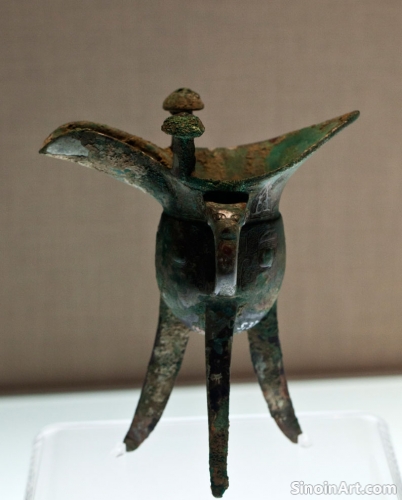 Art historians and cultural specialists provide expertise in understanding the style, symbolism, and historical context of the bronze objects, informing preservation practices and ensuring that they are handled with sensitivity and respect. The combination of scientific techniques with historical understanding is key to ensuring the proper display and preservation of these artifacts. 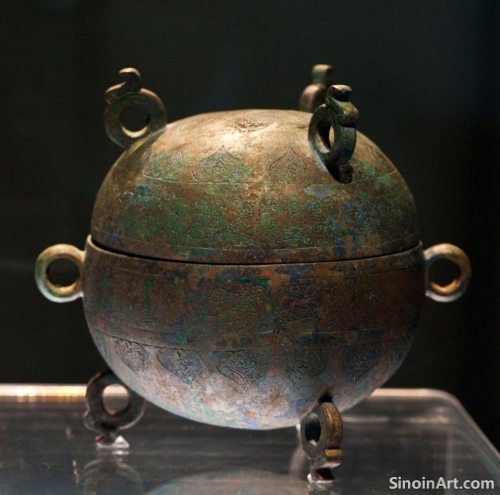 The display of bronze ware in museums also requires a balancing act, creating exhibits that are both visually appealing and accessible to the public, while also providing a safe and stable environment for the objects. The public display of these artifacts requires a careful approach to lighting, temperature control, and the management of the objects themselves. The combined efforts of scientists, art historians, conservators, and museum professionals will help to ensure the long-term preservation of Chinese bronze ware and that they remain available for both study and enjoyment for years to come. The combined approach is key to ensuring the survival of these valuable treasures. The care and attention to detail required to preserve these objects is a testament to their importance. |
Tag : bronze preservation, conservation methods, scientific analysis, art history, artifact care
Related information
- Bronze Ware and the Development of Ancient Chinese Writing Styles: A Visual Record of Language Evolution
- The Ritual Vessels of the Shang Dynasty: Power and Symbolism in Bronze
- The Influence of Zhou Dynasty Ritual Bronzes on Later Chinese Art and Culture
- The Enduring Legacy of Chinese Bronze Ware: A Timeless Art Form and Cultural Treasure
- The Development of Bronze Mirrors in Ancient China: Reflecting History and Society
This article explores how inscriptions on bronze ware provide a visual record of the evolution of ancient Chinese writing styles, highlighting the influence of the medium on script forms, layout, and the development of calligraphic principles.
This article focuses on the ritual vessels of the Shang Dynasty, exploring their role in ancestral rites, their symbolic designs including the taotie, and highlighting the remarkable craftsmanship of the bronze workers.
This article explores the lasting influence of Zhou Dynasty ritual bronzes on later Chinese art and culture, highlighting their impact on forms, designs, the importance of inscriptions, and the continued relevance of ritual and ancestral veneration.
This article reflects on the enduring legacy of Chinese bronze ware, highlighting their combination of technical skill, artistic beauty, and historical significance, their power to tell stories from the past, and the importance of their preservation for future generations.
This article explores the development of bronze mirrors in ancient China, highlighting their use as functional objects, symbols of status, their role in ritual settings, and their reflection of changing social norms and artistic preferences.