The Legacy of Chinese Bronze Ware in Contemporary Art and Design: New Interpretations
|
Chinese bronze ware continues to inspire and influence artists and designers in the contemporary world, with new works often reinterpreting ancient forms, motifs, and techniques. These objects are powerful reminders of the past, even as they continue to inspire new forms of creative expression. The connection between ancient and contemporary art forms helps to create a living and dynamic artistic tradition. 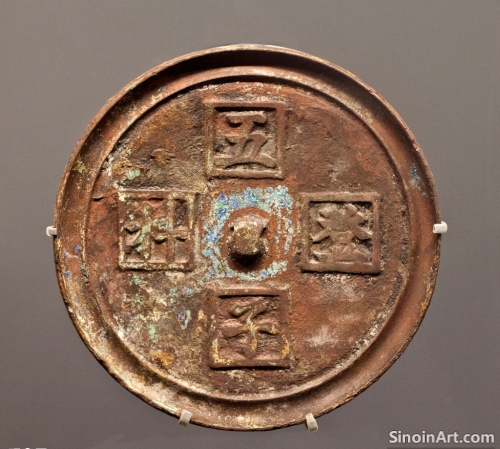 Contemporary artists often use the symbolic elements of bronze ware, such as the taotie motif and depictions of mythical creatures, in their sculptures, paintings, and other artistic creations, blending the ancient and the modern into unique and engaging new forms. The integration of these elements helps to create new forms that are both unique and yet firmly rooted in the past. 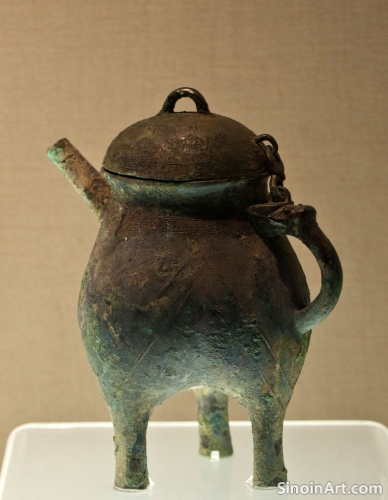 Designers often draw inspiration from the shapes, forms, and textures of bronze objects, incorporating them into architecture, furniture, jewelry, and other forms of contemporary design. The inclusion of bronze styles in a variety of fields helps to keep them relevant and to bring the beauty of ancient Chinese art to the contemporary world. 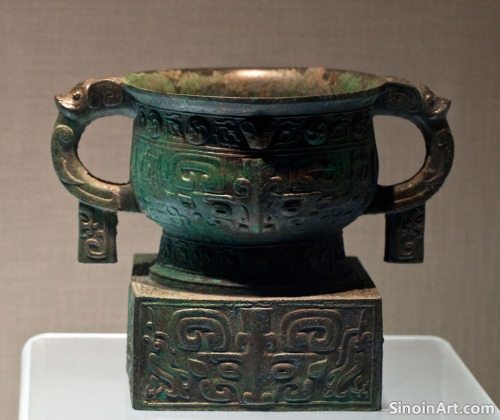 The reinterpretation of ancient bronze ware in modern art and design helps to ensure its continued relevance, showcasing how these timeless objects can inspire creativity and imagination across generations. The ability to bring these old forms into the modern era helps to provide new insights into the power and beauty of the originals. |
Tag : contemporary bronze art, Chinese design influence, reinterpretations, ancient motifs, art inspiration
Related information
- The Bronze Masks of Sanxingdui: Exploring Ritual, Transformation, and the Unseen Realm
- The Impact of Bronze Ware on Ancient Chinese Burial Customs: Ritual Objects and the Afterlife Journey
- Bronze Ware and Ancient Chinese Concepts of the Cosmos: Heaven, Earth, and Humanity
- Bronze Ware and the Development of Ancient Chinese Music Theory: The Role of Tuned Instruments
- Bronze Ware and the Ancient Chinese Elite: Luxury, Status, and Power
This article delves deeper into the bronze masks of Sanxingdui, exploring their unique characteristics, their role in ritual performances, their connection to the spirit world, and the insights they provide into the distinct religious beliefs of the ancient kingdom of Shu.
This article explores the impact of bronze ware on ancient Chinese burial customs, highlighting their role as grave goods, their connection to beliefs about the afterlife, and how they reflect the status and spiritual needs of the deceased.
This article explores the connection between bronze ware and ancient Chinese concepts of the cosmos, highlighting the use of celestial symbols, the representation of the relationship between Heaven, Earth, and humanity, and revealing the cosmological worldview of the ancient Chinese.
This article explores the influence of bronze ware on the development of ancient Chinese music theory, highlighting the role of tuned instruments, especially bianzhong bells, and their impact on scales, harmonies, and the understanding of musical structure.
This article explores the association of bronze ware with the ancient Chinese elite, highlighting its use as a symbol of wealth, status, power, and its role in reinforcing social hierarchies and displaying authority.