The Impact of the Silk Road on the Styles and Techniques of Chinese Bronze Ware
|
The Silk Road, the ancient network of trade routes that connected China with the West, had a notable impact on the styles and techniques of Chinese bronze ware. The exchange of goods, ideas, and cultural practices along these routes helped to introduce new motifs, forms, and technologies into the Chinese bronze industry. The cultural exchange along the Silk Road helped to influence a variety of different aspects of Chinese life.  Foreign motifs, such as those associated with Hellenistic art and Persian traditions, found their way into Chinese bronze designs, resulting in a unique blend of local and foreign aesthetics. The interplay between local traditions and the introduction of new designs helped to create a wide variety of new styles and forms. 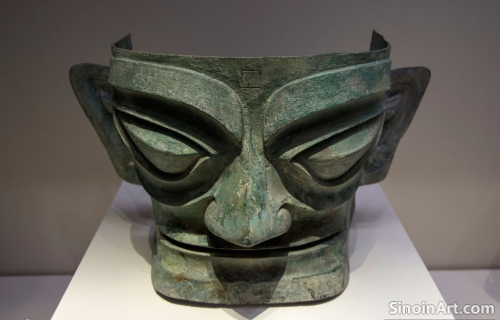 The exchange of techniques, such as new methods of metalworking and casting, also influenced the methods used in Chinese bronze production, leading to technological innovations that further enhanced the range and variety of artifacts. The blending of styles and methods had a lasting impact on the production of art in China. This exchange of knowledge and technique helped to push forward innovation and design.  The study of bronze ware along the Silk Road also highlights the interconnectedness of ancient civilizations and the role of trade in cultural transmission, creating new and diverse styles of artwork in ancient China. The trade routes helped to create an interconnected world that shared a common artistic tradition. |
Tag : Silk Road influence, Chinese bronze, cross-cultural exchange, ancient trade routes, Hellenistic art
Related information
- The Use of Bronze in Ancient Chinese Astronomical Observatories: Instruments and Knowledge
- The Use of Bronze in Ancient Chinese Water Control: Dams, Canals, and Irrigation Systems
- Bronze Ware as Grave Goods: Status, Belief, and the Afterlife
- Regional Variations in Chinese Bronze Ware: Exploring Cultural Diversity
- The Use of Bronze in Ancient Chinese Medicine: Exploring the Relationship Between Materials and Healing
This article explores the use of bronze in ancient Chinese astronomical observatories, highlighting the creation of sighting devices, armillary spheres, and other instruments, and demonstrating how these objects facilitated astronomical observation and knowledge.
This article explores the use of bronze in ancient Chinese water control systems, highlighting its role in creating durable components for dams, canals, and irrigation networks, and demonstrating its importance for agricultural development and water management.
This article explores the use of bronze ware as grave goods in ancient China, highlighting its connection to beliefs about the afterlife, the social status reflected in the types and quantities of objects, and how the placement of these objects reveals insights into ritualistic practices.
This article explores the regional variations in Chinese bronze ware, highlighting how different regions developed their unique styles, forms, and techniques, reflecting the diverse cultural landscape of ancient China.
This article explores the use of bronze in ancient Chinese medicine, highlighting the belief that the material itself possessed healing properties, and how it was used in creating vessels for preparing remedies, and in some therapeutic practices.