The Depiction of Daily Life on Bronze Artifacts: A Window into Ancient Society
|
While many bronze objects portray powerful symbols and mythological scenes, some also depict aspects of daily life in ancient China, providing a valuable glimpse into the social practices, economic activities, and everyday routines of people from the Shang and Zhou dynasties. The inclusion of these scenes provides valuable insights into the daily lives of people of the past.  Scenes of hunting, farming, cooking, and other daily activities often adorn bronze vessels and objects, revealing the importance of these practices in the economic and social fabric of ancient society. The inclusion of these scenes in the artworks of the era suggests the value that was placed on the daily routines and activities of the time. The study of these images helps to bring the past to life. 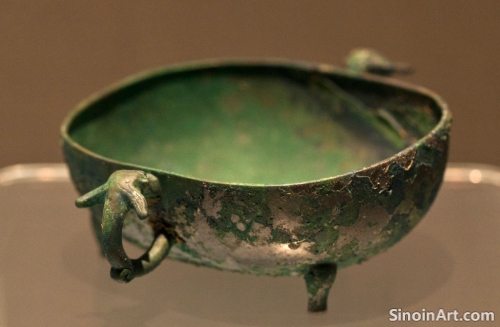 The depiction of musical performances, feasts, and other social gatherings on bronze ware also offers insights into the cultural practices and forms of entertainment that were popular during this period. These depictions help to make the life of the past more readily accessible to modern audiences. The bronze artifacts help to bring the past back to life.  The ways in which individuals are depicted, often showing differences in clothing, hairstyle, and activities, can reveal insights into social hierarchies and the different roles within ancient Chinese society. The different social classes are often readily apparent in these depictions. These artifacts help to paint a detailed picture of ancient Chinese culture. The study of depictions of daily life on bronze artifacts helps to reveal the rich complexity of ancient Chinese society, providing us with new insights into the lives of both the elite and common people. The inclusion of daily routines and events helps to create a more well-rounded view of life in the era. |
Tag : bronze daily life, ancient China, social practices, depictions, everyday scenes
Related information
- Bronze Ware and the Development of Chinese Writing: An Intertwined History
- The Influence of Nomadic Cultures on Chinese Bronze Ware: Cross-Cultural Exchanges
- Bronze Ware and the Development of Ancient Chinese Calendar Systems: Marking Time and Ritual Cycles
- The Use of Bronze in Ancient Chinese Ritual Practice: Beyond Vessels and Symbols
- The Development of Bronze Mirrors in the Han Dynasty: New Styles and Social Significance
This article explores the intertwined history of bronze ware and the development of Chinese writing, highlighting the earliest forms of writing on bronze, the evolution of script styles, and the role of inscriptions in preserving history and culture.
This article explores the influence of nomadic cultures on Chinese bronze ware, highlighting the adoption of new forms, styles, and techniques, the influence of animal motifs, and the role of trade and diplomacy in the transmission of cultural ideas.
This article explores the use of bronze in ancient Chinese calendar systems, highlighting its role in creating timekeeping devices like sundials, tracking the passage of time, and linking calendars to both agricultural and ritual cycles.
This article explores the use of bronze beyond vessels and weapons in ancient Chinese ritual practices, highlighting bronze musical instruments, ritual implements, and ceremonial objects, and revealing how these objects played a crucial role in spiritual ceremonies.
This article explores the development of bronze mirrors in the Han Dynasty, highlighting new styles, complex designs, their incorporation of cosmology, their role as status symbols, and the insights they offer into Han society.