Preserving Chinese Bronze Ware: Challenges and Methods of Conservation
|
The preservation of Chinese bronze ware is a significant undertaking, requiring specialized techniques and careful environmental controls. These ancient artifacts, which are often thousands of years old, are susceptible to corrosion and other forms of deterioration. The careful preservation of these pieces ensures that they will continue to be appreciated in the future. 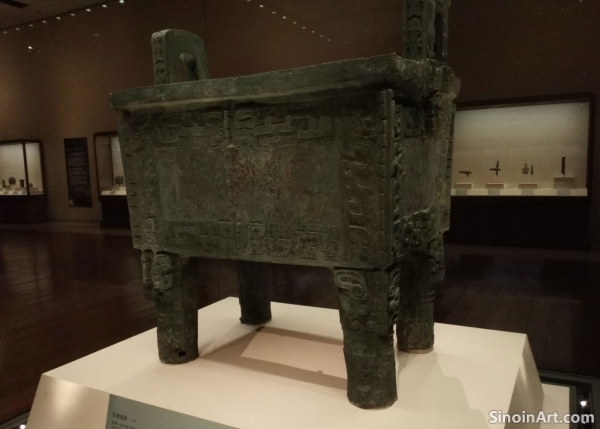 Bronze artifacts are particularly vulnerable to corrosion, a chemical process caused by moisture, salts, and other environmental factors. Conservation efforts are focused on preventing further deterioration and stabilizing the objects for long-term preservation. The preservation of these pieces is essential to ensure their survival. 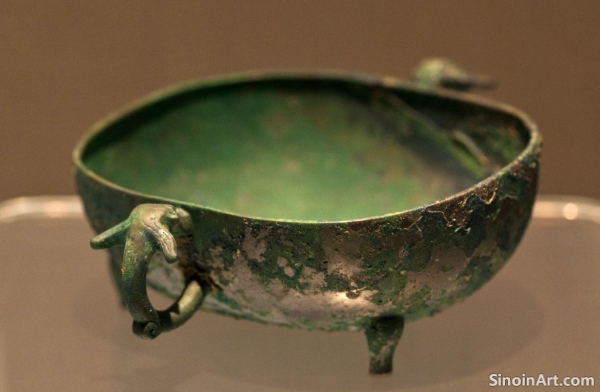 Methods of conservation include cleaning the bronze ware using specialized tools and chemicals, applying protective coatings, and storing the objects in climate-controlled environments to prevent further damage. The careful management of these artifacts is essential to their longevity. The careful preservation of the pieces helps to make them accessible for many years to come. 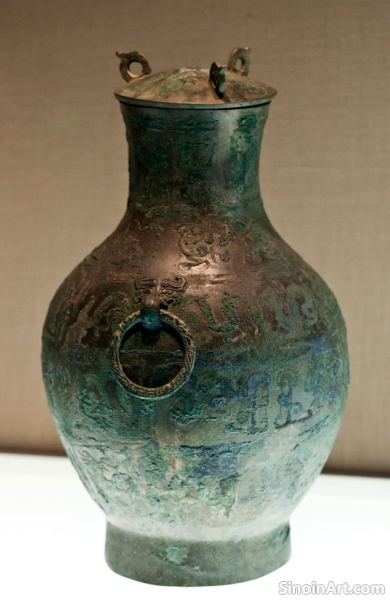 The conservation of Chinese bronze ware also involves ongoing research and development of new techniques and materials. The continual work to enhance conservation techniques helps to further improve the preservation of these important artifacts. By preserving these artifacts, we help to ensure that the cultural heritage and historical legacy of ancient China is passed down to future generations. The effort to preserve these ancient artifacts will help to inspire future generations. The careful conservation of these objects helps to ensure the longevity of their beauty and meaning. |
Tag : bronze conservation, artifact preservation, Chinese bronzes, museum conservation, metal conservation
Related information
- The Development of Bronze Mirrors in Ancient China: Reflecting History and Society
- The Art of Bronze Casting: Techniques and Innovations in Ancient China
- The Craftsmanship Behind Chinese Bronze Ware: Techniques and Methods
- Bronze Ware and Ancient Chinese Concepts of the Afterlife: Journey, Protection, and Eternity
- The Influence of Shang Dynasty Bronze Ware on Later Chinese Art Forms: Motifs, Techniques, and Symbolism
This article explores the development of bronze mirrors in ancient China, highlighting their use as functional objects, symbols of status, their role in ritual settings, and their reflection of changing social norms and artistic preferences.
This article explores the art of bronze casting in ancient China, highlighting the development of techniques like piece-mold casting and the lost-wax method, and emphasizing the control of alloys, temperature, and the innovations of ancient metalworkers.
This article explores the craftsmanship behind Chinese bronze ware, detailing the lost-wax casting method, the composition of bronze alloys, and the intricate techniques used to create the detailed designs, highlighting the technical mastery of ancient bronze workers.
This article explores the role of bronze ware in ancient Chinese funerary practices, highlighting the use of these objects to prepare the deceased for their journey into the afterlife, providing protection and ensuring their continued well-being in the spirit world.
This article explores the lasting influence of Shang Dynasty bronze ware on later Chinese art, highlighting the enduring power of the taotie motif, the technical legacy of Shang casting methods, and their impact on subsequent artistic styles and symbolic vocabularies.