Notable Studio Seal Carvers and Their Contributions
|
The art of studio seal carving is rich with the contributions of individual artists who have shaped and transformed the tradition. These seal carvers, each with their distinct style and innovative techniques, have left an indelible mark on the history of zhāiguǎn yìnzhāng. Their techniques and stylistic innovations continue to influence modern artists.  Among the most celebrated studio seal carvers was Deng Shiru (邓石如), a Qing Dynasty artist known for his mastery of seal script and his innovative use of composition and layout. His unique interpretations of classical texts and incorporation of traditional forms had a significant influence on later carvers. He is considered one of the great masters of the art form.  Another prominent figure is Zhao Zhiqian (赵之谦), also from the Qing Dynasty, who explored various styles and incorporated elements from different art forms into his seal carving. Zhao was a master calligrapher and seal carver, known for his bold and expressive work. His stylistic innovations continue to inspire modern carvers. 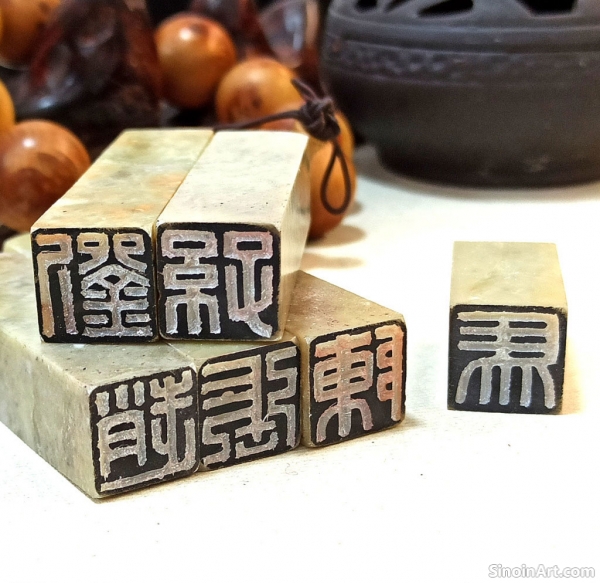 Wu Changshuo (吴昌硕), a late Qing Dynasty artist, is celebrated for his powerful and dynamic studio seals, which often featured inscriptions from classical texts and unique compositions. He was a master of both seal carving and calligraphy. His works have become some of the most collectible and influential in the history of the art. These artists, among many others, represent the high level of technical skill and artistic innovation in the history of studio seal carving. Their works demonstrate both their skill and understanding of the craft, and the artistic potential of the art form. Studying the works of these master carvers is essential to understanding the diversity and complexity of zhuanke. Their works provide a foundation for modern artists and serve as a testament to the enduring power and beauty of this traditional art form. They continue to influence and inspire modern artists, and form the foundation of modern seal carving techniques. |
Tag : Famous Studio Seal Carvers, Zhaiguan Seal Masters, Chinese Artists, Seal History, Seal Engraving
Related information
- Inscriptions of Studio Seals: Unveiling the Character of the Space
- The Materials of Seal Carving: From Stone to Ink
- Seal Carving Around the World: Cross-Cultural Influences
- Learning Seal Carving: A Journey of Patience and Skill
- Modern Uses of Collector's Seals: Adaptation and Evolution
This article delves into the various types of inscriptions found on studio seals, exploring their meanings and how they reveal the nature and purpose of the studio or hall.
This article explores the various materials used in Chinese seal carving, including the different types of stones, inks, seal pastes, and other supplies that contribute to the art form.
This article explores the global reach of Chinese seal carving, highlighting its influence on other cultures and the cross-cultural exchange that continues to shape its evolution.
This article provides an overview of the different avenues for aspiring seal carvers, including private instruction, formal education, online resources, and the importance of consistent practice.
This article explores how collector's seals are used in the modern era, examining contemporary practices and the ways in which artists and collectors are adapting this tradition to new contexts and purposes.