The Role of Leisure Seals in Chinese Art and Literature
|
Leisure seals are not merely standalone art objects; they are also an integral part of Chinese painting, calligraphy, and literary culture. They are often used to decorate artwork, adding a personal touch and layer of cultural meaning. Understanding their use in these other art forms allows for a fuller understanding of their artistic potential. The use of seals in art adds to both the visual and cultural meaning of the works. 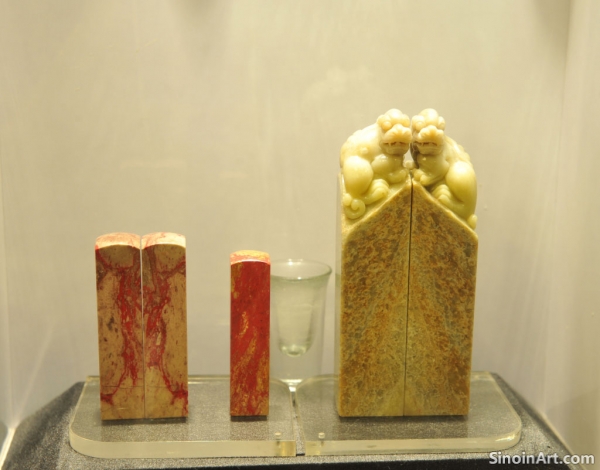 In paintings, leisure seals are often placed strategically to complement the composition, adding a sense of balance and completeness to the artwork. They are often used to balance the various visual elements of the artwork. 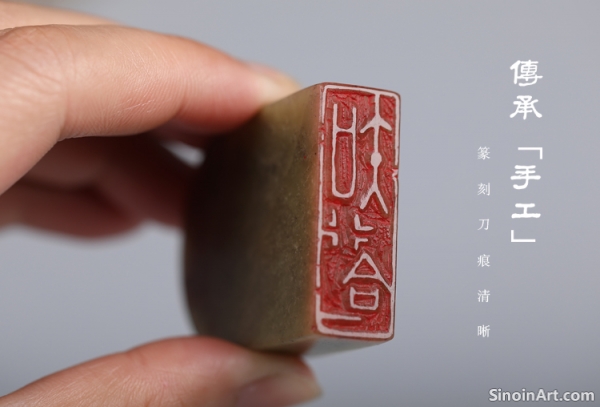 In calligraphy, leisure seals may be used to mark the beginning or end of a work, adding a personal statement and affirming the artist's identity. The seals are an important component of the overall aesthetic of calligraphic art.  Leisure seals may also be found on manuscripts, letters, or other literary works, reflecting the owner's personal tastes, interests, and philosophical views. The use of seals in literature adds a personal dimension to a more formal art form. The choice of seals and their placement are often carefully considered by artists and writers. The intention is to create a sense of harmony and coherence between the different elements of the composition. The placement of the seals is just as important as the seal itself. The integration of leisure seals into Chinese art and literature highlights their significance as a form of personal expression and their contributions to a larger cultural tradition. They serve as a bridge between the personal and the public, reflecting the owner's inner world and enhancing the beauty and meaning of artistic works. |
Tag : Leisure Seals in Art, Seals in Calligraphy, Seal Art History, Chinese Art, Seal Literary Meaning
Related information
- The Composition of a Seal: Design Principles in Zhuanke
- Famous Collectors and Their Seal Collections: A Legacy of Connoisseurship
- Collecting Studio Seals: Tips for Appreciating and Acquiring
- The Use of Collector's Seals in Art Authentication and Provenance Research
- Styles of Seal Carving: Exploring Regional and Artistic Differences
This article explores the key design principles involved in creating the composition of a Chinese seal, focusing on the arrangement of characters, use of negative space, shape, border, and overall harmony.
This article highlights the collections of famous Chinese art collectors throughout history and their use of collector's seals, exploring the impact of their patronage and connoisseurship on the art world.
This article provides a practical guide for those interested in collecting studio seals, with advice on evaluating pieces, developing informed taste, and understanding the market for these unique art objects.
This article discusses the crucial role of collector's seals in art authentication and provenance research, exploring how these seals provide valuable information about the history of ownership and the authenticity of artworks.
This article explores the various styles of Chinese seal carving, highlighting regional and historical differences from Qin and Han dynasties to styles of the Ming and Qing, emphasizing the diversity of the art form.