Gongbi Painting and its Role in Cultural Diplomacy
|
Gongbi painting, with its rich cultural history and exquisite aesthetic, often serves as an important tool in cultural diplomacy, fostering understanding and appreciation for Chinese art and heritage on the global stage. These works serve as a cultural ambassador that transcends language and political divides. 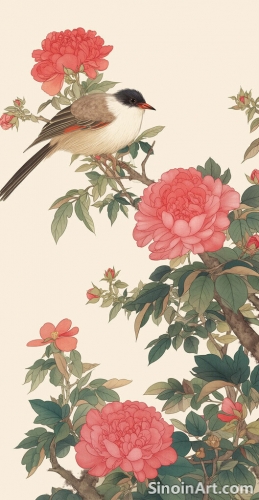 The exhibition of Gongbi paintings in international museums and galleries introduces the art form to a wider audience, fostering cross-cultural dialogue and sparking appreciation for Chinese culture. These exhibits expose new viewers to the traditional art form and provide a framework for understanding the culture. 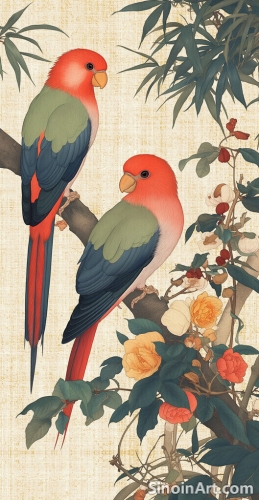 The exchange of Gongbi artists between China and other countries facilitates the sharing of knowledge and skills, promoting international collaboration in the arts. Artist exchanges help to preserve traditions and also encourage new innovation across cultures. 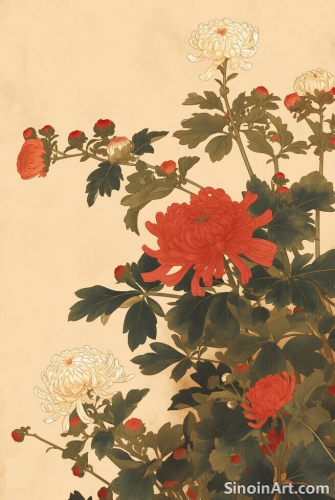 Gongbi painting is often used as a symbol of Chinese cultural identity in international events and collaborations. The presentation of traditional art serves to promote an understanding of the heritage and cultural richness of China. The intricate details and exquisite beauty of Gongbi paintings transcend language barriers, allowing people from different cultural backgrounds to connect with the art on a personal level. The works help to transcend cultural barriers through the universal language of art. Through its role in cultural diplomacy, Gongbi painting helps to foster mutual understanding, respect, and appreciation across cultures, promoting peace, collaboration, and intercultural exchange. The presentation of traditional art to the global stage helps to promote dialogue and understanding. |
Tag : Cultural diplomacy, Chinese art diplomacy, international art, art exchange, cultural heritage
Related information
- Gongbi Painting Throughout History: From Courts to Modern Studios
- The Meticulous Hand: Precision and Detail in Gongbi Painting
- Gongbi Painting and the Use of Light and Shadow
- The Symbolic Language of Gongbi: Exploring Motifs and Meanings
- Gongbi and the Use of Calligraphy in Composition
A historical overview of Gongbi painting, tracing its development from the Han dynasty to the present day, highlighting key periods and artists.
Chinese Gongbi painting, distinguished by its meticulous detail and precise execution, stands as a testament to the dedication and technical skill of its practitioners. Unlike the expressive spontaneity of Xieyi (freehand) painting, Gongbi emphasizes a controlled and highly detailed approach, striving for a realistic depiction of the subject matter. This pursuit of perfection is central to the aesthetic and philosophy of the Gongbi tradition.
This article explores the subtle but skillful use of light and shadow in Gongbi painting, highlighting the use of color gradations, brushstrokes, and how these techniques contribute to creating a sense of depth, volume, atmosphere, and enhance the overall impact of the artwork.
This article explores the rich symbolism embedded in Gongbi paintings, focusing on the meanings of flowers, animals, landscapes, and colors, and explaining how these symbols enhance the narrative and cultural significance of the artwork.
This article explores the integration of calligraphy into Gongbi painting, highlighting how it balances the composition, adds context, provides literary depth, and enhances the overall aesthetic and cultural significance of the artwork.