Gongbi Painting and Storytelling: Narrative Through Detail
|
While often celebrated for its exquisite details and visual beauty, Gongbi painting also serves as a powerful medium for storytelling. Many Gongbi works are imbued with narratives, conveying tales of history, mythology, and human experience through carefully arranged details and symbolic motifs. This makes it more than just pretty pictures, and elevates it to the level of visual poetry.  Historical events and legends are often depicted in Gongbi, offering viewers a glimpse into the past. These paintings are not just recordings of historical occurrences; they are interpretive renderings of significant moments, conveying narratives of triumph, tragedy, and moral lessons. It allows the viewer to connect with history in a very personal way.  Mythological figures and tales of gods and spirits are also frequently portrayed in Gongbi painting, often filled with symbolism and allegory. These works serve not only as visual representations of ancient myths but also as expressions of cultural beliefs and values. It’s a way of passing down traditional stories to new generations. 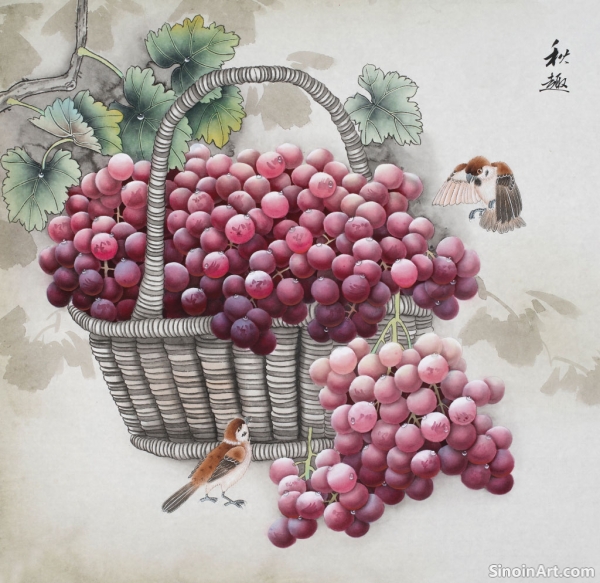 Beyond large historical and mythological narratives, many Gongbi paintings tell smaller, more personal stories. These narratives often revolve around themes of love, loss, nature, and the human condition, creating a universal language that resonates with viewers across cultures and time. They are about what it means to be human, using symbols and metaphors to convey deep emotions and feelings. The art of storytelling in Gongbi relies heavily on the artist's ability to imbue every detail with meaning. From the expressions on the faces of figures to the symbolism embedded within the environment, each element contributes to the overall narrative. It’s the careful and painstaking assembly of these details that create the narrative. |
Tag : Gongbi storytelling, narrative art, Chinese art history, mythological painting, symbolism in art
Related information
- A Historical Journey: The Origins of Gongbi Painting
- The Use of Gold Leaf and Other Embellishments in Gongbi
- Famous Gongbi Artists: Masters of the Meticulous Brush
- The Enduring Legacy of Gongbi Painting: Tradition and Innovation
- Gongbi and the Depiction of Mythological Figures
This article traces the historical development of Gongbi painting from its early origins to its modern resurgence, highlighting its evolution across dynasties and its place in Chinese art history.
This article explores the use of gold leaf and other embellishments in Gongbi painting, detailing their application, symbolic significance, and contribution to the visual richness and overall aesthetic of the artwork.
This article highlights the contributions of famous Gongbi artists throughout history, including Emperor Huizong, Li Tang, Qiu Ying, and Chen Hongshou, discussing their unique styles and influence on the tradition.
Gongbi painting, rooted in the rich artistic traditions of imperial China, has proven to be an enduring and highly versatile art form, adapting and evolving across generations while maintaining its core principles of precision, detail, and symbolic depth. The long history of Gongbi painting continues to be influential on modern art and the appreciation of traditional techniques.
This article explores the depiction of mythological figures in Gongbi painting, highlighting the symbolic attributes, use of color, intricate narratives, and how this art form brings to life the gods, immortals, and heroes of Chinese folklore.