Gongbi and Contemporary Fashion: A Unique Fusion
|
The exquisite detail and elegant aesthetics of Gongbi painting have found a new platform in the world of contemporary fashion. Designers are increasingly incorporating elements of Gongbi, from its intricate patterns to its vibrant colors, into their clothing and accessories, creating a unique fusion of traditional art and modern style. This incorporation of traditional imagery brings a touch of sophistication to the clothing line. 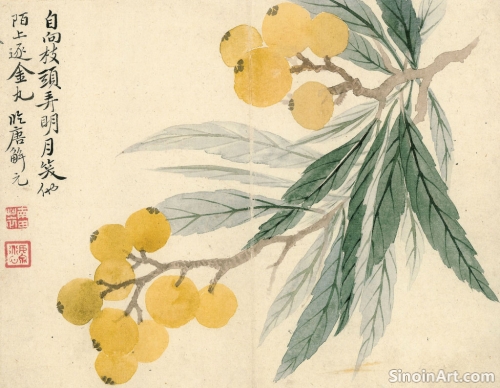 One of the most common ways Gongbi influences fashion is through the use of its distinctive motifs and patterns. Floral and bird designs, often seen in Gongbi paintings, are being adapted and translated onto textiles, adding a touch of sophistication and artistic flair to clothing. The transfer of the detailed work of painting to clothing adds a level of complexity to the design. 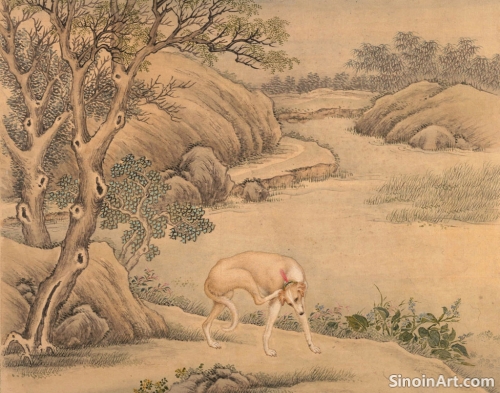 The rich color palettes of Gongbi painting are also finding their way into contemporary fashion. Designers are drawing inspiration from the vibrant hues and subtle gradations of color, creating clothing that is both visually striking and culturally resonant. The use of natural pigments and unique layering techniques from Gongbi translates well to modern styles. 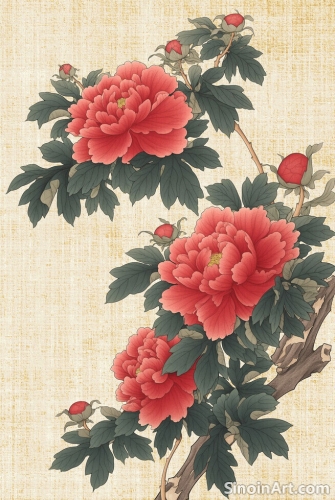 The precise linework and delicate detailing that characterize Gongbi are also being incorporated into fashion design through embroidery and other embellishment techniques. Intricate patterns and fine details are used to decorate clothing and accessories, adding a touch of luxury and refinement. This transfer of design allows for the tradition to be seen in a contemporary medium. The integration of Gongbi into fashion is not merely about visual imitation; it is also about creating a connection to Chinese cultural heritage and celebrating the beauty of traditional craftsmanship. This fusion has allowed designers to incorporate elements of traditional culture into their designs. This celebration of the tradition has given it new life. The fusion of Gongbi and contemporary fashion is a testament to the enduring power of traditional art and its ability to inspire creativity across different disciplines. This fusion of tradition and modern style creates new and exciting avenues for both art and fashion. The integration of traditional techniques in modern mediums is an important development for the future of both fields. |
Tag : Gongbi in fashion, Chinese fashion design, art inspired clothing, textile design, fashion trends
Related information
- Gongbi Painting and the Art of Miniature
- Learning Gongbi: A Guide for Aspiring Artists
- Gongbi Painting and its Relationship to Calligraphy
- Gongbi and the Depiction of Jewelry and Accessories
- The Influence of Taoism and Confucianism on Gongbi
This article explores the art of miniature Gongbi painting, highlighting the challenges, specialized techniques, subject choices, and how these tiny works demonstrate the artists’ skill and ability to capture detail and beauty on a small surface.
A practical guide for aspiring Gongbi artists, covering essential learning steps, materials, and practice techniques.
This article examines the interconnected relationship between Gongbi painting and Chinese calligraphy, highlighting their shared techniques, the importance of line and ink, the concept of qi, and how the study of calligraphy can enhance the skills of a Gongbi artist.
This article explores how Gongbi painting depicts jewelry and accessories, highlighting the meticulous detail, use of line and color to convey textures and reflections, and how these objects contribute to the overall cultural and visual richness of the artwork.
This article explores the influence of Taoism and Confucianism on Gongbi painting, highlighting how these philosophical traditions have shaped the aesthetic values, themes, and overall approach to artistic creation in this meticulous art form.