Gongbi Painting and the Art of Miniature
|
While some Gongbi paintings are large and expansive, many artists also work in the miniature scale, creating incredibly detailed and intricate artworks on a tiny surface. These miniature Gongbi paintings demonstrate the artist's remarkable technical skill, patience, and their ability to capture the essence of a subject within a small space. The ability to work in miniature demonstrates mastery of the techniques. 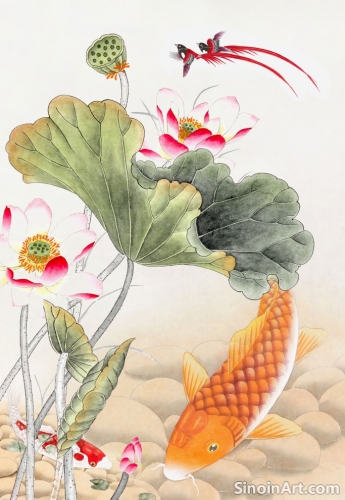 The challenges of creating Gongbi paintings in miniature are considerable, requiring the use of exceptionally fine brushes, a steady hand, and a high degree of concentration. The artist must work with great precision and attention to detail to achieve the desired effect. The scale of these works requires exceptional skill on the part of the artist. 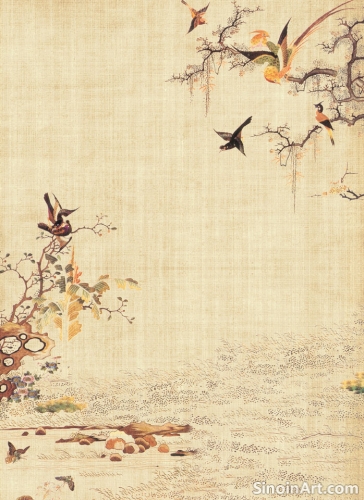 The subjects of miniature Gongbi paintings are often chosen for their intricate beauty and symbolic significance, such as flowers, insects, and birds. The selection of subject is often related to the ability to represent detail within a small space. The use of such delicate subjects helps to create works of both artistic and visual impact. 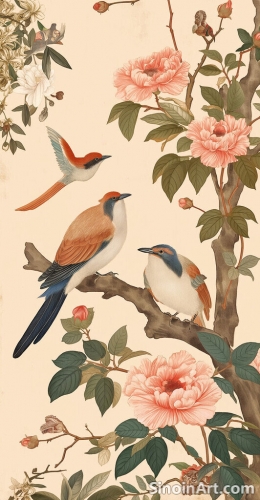 The application of color is also particularly challenging in miniature Gongbi painting. The layering of thin washes must be done with extreme precision, requiring a mastery of color mixing and dilution. The control of color application is critical to the success of the miniature piece. The ability to create a visually compelling and technically perfect work of art on a small surface is a testament to the skill and dedication of Gongbi artists. The process of creating such small works is very time-consuming, but often results in a powerful visual piece. Miniature Gongbi paintings offer a unique and intimate viewing experience, inviting viewers to appreciate the beauty and detail of the artwork on a personal and up-close level. The tiny scale and intricate detail create an unusual level of engagement for the viewer. |
Tag : Miniature art, tiny painting, Gongbi techniques, small-scale painting, detailed miniatures
Related information
- Gongbi vs. Xieyi: Contrasting Styles in Chinese Art
- The Symbolism of Gongbi: Decoding the Language of the Brush
- Techniques and Tools: Unveiling the Secrets of Gongbi
- Gongbi Painting and the Depiction of Clouds and Mist
- The Exquisite World of Gongbi: A Detailed Introduction
A comparison of Gongbi and Xieyi painting styles, highlighting their contrasting techniques, philosophies, and artistic intentions.
This article explores the symbolic elements found in Gongbi paintings, focusing on the meanings behind flowers, animals, colors, and compositions within the Chinese artistic tradition.
An in-depth look at the techniques and tools used in Gongbi painting, covering brushes, ink, pigments, and painting surfaces.
This article explores the depiction of clouds and mist in Gongbi painting, highlighting the techniques used to create a sense of depth, luminosity, and atmosphere, and how the subtle variations in color and tone evoke a sense of mystery and serenity.
A comprehensive introduction to Gongbi painting, highlighting its detailed nature, historical significance, common subjects, and continued relevance.