Bronze Ware and the Development of Chinese Writing: An Intertwined History
|
The development of Chinese writing and the production of bronze ware are deeply intertwined, with the earliest forms of Chinese writing often found on bronze objects. This relationship highlights the critical role that both played in the development of ancient Chinese civilization. The interaction between writing and bronze is one of the defining elements of ancient Chinese culture. 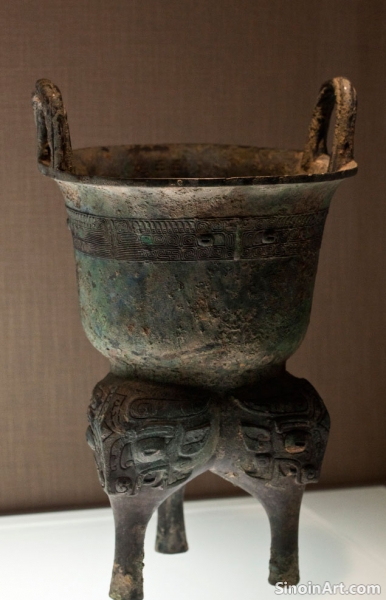 The earliest forms of Chinese writing, often seen on Shang Dynasty oracle bones, also appear on bronze vessels and ritual objects, demonstrating the connection between the two. The use of writing on both these media helps to show the importance of both in ancient Chinese society. These inscriptions are the earliest written examples of what was to become Chinese writing. 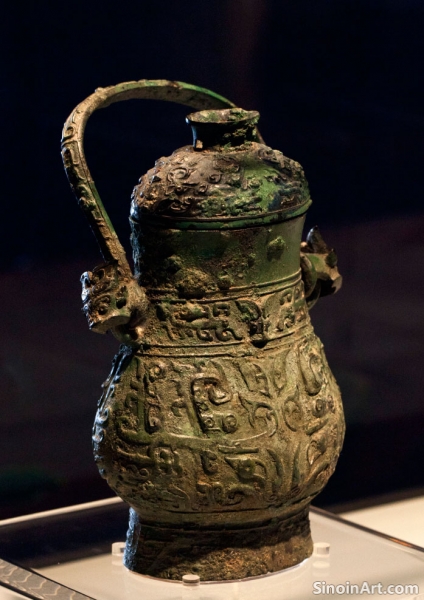 The development of different script styles, such as seal script and clerical script, is also reflected in the evolution of bronze inscriptions. The inscriptions on bronze provide a detailed record of how writing styles changed over time. The forms of writing and the techniques used to engrave them both changed over time. 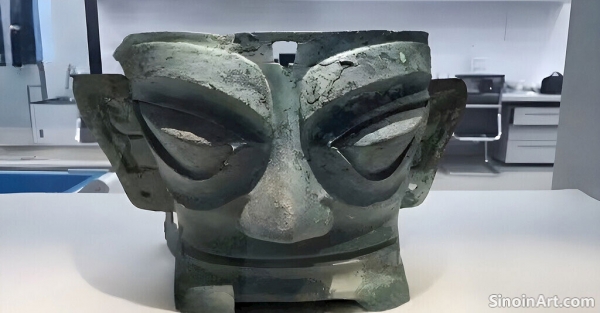 The practice of inscribing bronze objects with clan and ancestral names helped to establish the tradition of writing as a means of preserving history and culture. This tradition helped to emphasize the importance of writing and helped to emphasize its place in the cultural and social life of ancient China. The practice of inscribing bronzes helped to give the written word a prominent place in Chinese culture. The interwoven history of bronze ware and Chinese writing highlights the profound impact that both have had on the development of Chinese civilization and its enduring legacy. The interaction between the two demonstrates their intertwined history and their shared cultural significance. The combined impact of these two elements continues to be felt in the modern day. |
Tag : bronze inscriptions, Chinese writing, jinwen, calligraphy history, ancient Chinese scripts
Related information
- The Symbolic Significance of Bronze in Ancient Chinese Power Structures: Ritual, Authority, and Legitimacy
- Bronze Ware and Ancient Chinese Medical Practices: The Use of Instruments in Surgery and Healing
- Bronze Ware and Ancient Chinese Mythology: Exploring the Interplay Between Myth, Art, and Ritual
- Bronze Ware and the Development of Ancient Chinese Technology: Innovation and Practical Applications
- The Influence of Bronze Ware on the Development of Chinese Calligraphy: Forms, Styles, and Materials
This article explores the symbolic significance of bronze in ancient Chinese power structures, highlighting its role in ritual practices, its symbolism of authority and legitimacy, and its use by rulers to consolidate political control.
This article explores the use of bronze in ancient Chinese surgical and medical practices, highlighting the creation of scalpels, needles, forceps, and other tools, and revealing the sophistication of ancient Chinese medical techniques.
This article explores the use of mythological imagery on Chinese bronze ware, highlighting the depiction of dragons, phoenixes, and other creatures, and how these motifs reflected ancient beliefs and helped to connect the earthly world with the spiritual realms.
This article explores the role of bronze in the development of ancient Chinese technology, highlighting its use in agriculture, irrigation, and warfare, and demonstrating how the material enhanced practical and technical capabilities.
This article explores the reciprocal influence between bronze ware and the development of Chinese calligraphy, highlighting how bronze inscriptions shaped early forms of writing, established foundational principles, and contributed to the overall evolution of calligraphic styles.