Bronze Ware and Ancient Chinese Medical Practices: The Use of Instruments in Surgery and Healing
|
Beyond its use in tools and remedies, bronze also played a key role in ancient Chinese surgery and other medical practices, used to create a variety of specialized instruments that required both precision and durability, and demonstrating a deep understanding of both the human body and also the properties of metal. The use of bronze in this setting reveals a complex interplay between medical knowledge, technical skill, and a deep understanding of human anatomy.  Bronze was used to create various surgical tools, including scalpels, needles, forceps, and probes, all of which required a high degree of both craftsmanship and precise measurements, reflecting the skill and expertise of ancient Chinese physicians. The quality of these instruments and the precision with which they were made helped to establish that they were tools that were both safe and effective. 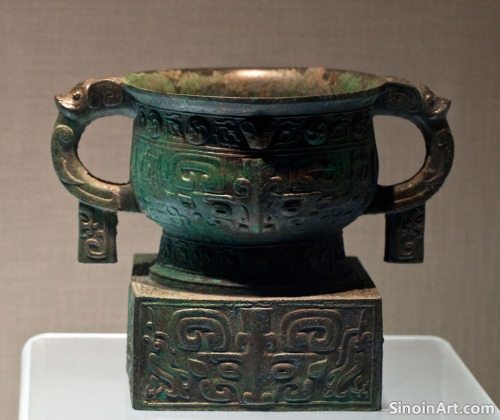 Bronze was also used to create tools and devices for acupuncture, cauterization, and other types of traditional Chinese medicine, each designed for specific purposes. The use of bronze helped to enhance the effectiveness and also the safety of these different techniques. The specialized nature of these tools helped to enhance their efficacy for the various forms of treatment that they were used for. 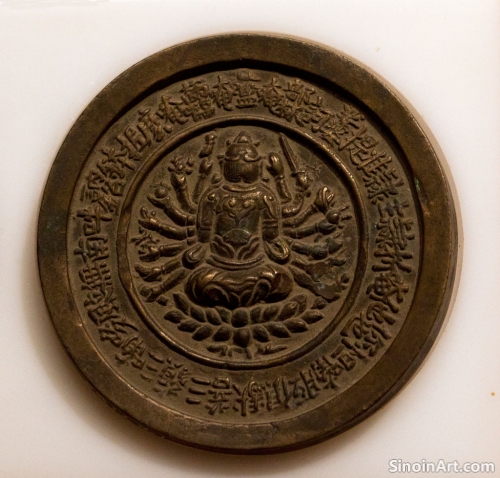 The use of bronze in medicine reflects both the importance of traditional healing practices and also the integration of technological advancements into the scientific practices of the time. The use of metal tools helped to expand the range and scope of ancient Chinese medicine. The combination of medical understanding with technological prowess helped to create a unique and powerful tradition of medical knowledge. |
Tag : bronze surgical instruments, Chinese acupuncture, ancient medicine tools, healing devices, medical practices
Related information
- The Impact of Bronze Ware on Ancient Chinese Ritual Practices: Sacrifices, Offerings, and Performances
- Bronze Ware and the Representation of Women in Ancient China: Social Roles and Power Dynamics
- The Use of Bronze in Ancient Chinese Water Clocks and Timekeeping Devices
- The Development of Bronze in the Spring and Autumn Period: New Forms, Techniques, and Regional Styles
- Bronze Mirrors and the Concept of "Face" in Ancient Chinese Society: Identity and Social Status
This article explores the impact of bronze ware on ancient Chinese ritual practices, highlighting their use in sacrifices, offerings, and performances, and demonstrating their importance in connecting the earthly world with the realms of gods and spirits.
This article explores the representation of women in ancient China through bronze ware, highlighting their roles in daily life and ritual, their depictions in art, and revealing the complex social and gender dynamics of the era.
This article explores the use of bronze in ancient Chinese water clocks and other timekeeping devices, highlighting their complex mechanisms, their integration of astronomical data, and their importance in standardizing time measurement for a variety of purposes.
This article explores the development of bronze ware during the Spring and Autumn period, highlighting new forms, innovative techniques, and the rise of distinctive regional styles, reflecting the growing artistic diversity of the time.
This article explores the connection between bronze mirrors and the concept of "face" (mianzi) in ancient China, highlighting how mirrors were used to manage social image, convey respect, and reflect the importance of social status both in life and after death.