Bronze Ware and Ancient Chinese Concepts of Harmony: Balance, Symmetry, and the Cosmos
|
The design and production of Chinese bronze ware was deeply influenced by ancient Chinese concepts of harmony, particularly the ideas of balance, symmetry, and the interconnectedness of all things, with the objects often reflecting an effort to create works that embodied these principles and mirrored the cosmic order. The desire to create a sense of balance and harmony is a key element of ancient Chinese art and design.  Symmetry was a fundamental principle in the design of bronze objects, with many pieces showcasing perfectly balanced compositions and reflecting a belief in the importance of order and stability. The pursuit of symmetry helped to imbue these objects with both beauty and a sense of rightness and order. 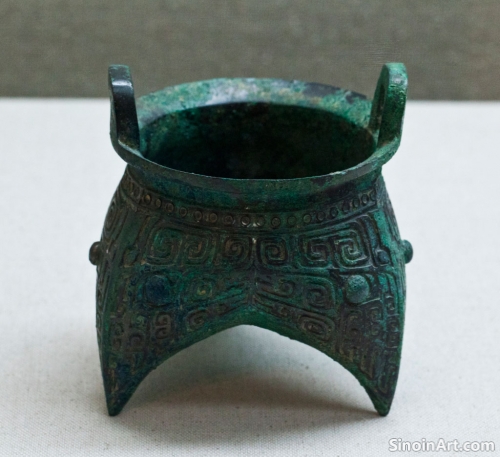 The careful spacing and proportion of elements, combined with precise control of line and form, created a sense of visual harmony, reflecting a larger belief in the interconnectedness of all things within the cosmos. The use of these design elements often reflected a belief in a larger underlying structure to the world. 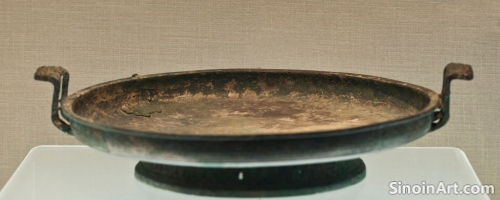 Bronze instruments, such as bells and chimes, were often carefully tuned to produce specific harmonies and musical patterns, and to further reflect this underlying understanding of the cosmos. The care taken in producing these instruments demonstrates the importance of music in communicating both spiritual and philosophical ideas. The study of bronze ware in relation to concepts of harmony helps us to understand the worldview of ancient China, where art, science, and philosophy were deeply integrated. The underlying order of the world was a powerful influence on the design of ancient objects. |
Tag : bronze harmony, Chinese aesthetics, symmetry, cosmic balance, ancient design
Related information
- The Role of Bronze in Ancient Chinese Warfare: Strategies and Weapons
- The Impact of Bronze Ware on Ancient Chinese Ritual Practices: Sacrifices, Offerings, and Performances
- Bronze Ware and Ancient Chinese Astronomy: Celestial Symbols and Interpretations
- The Influence of Bronze Ware on the Development of Ancient Chinese Military Strategy and Tactics
- The Use of Bronze in Ancient Chinese Water Clocks and Timekeeping Devices
This article explores the role of bronze in ancient Chinese warfare, highlighting the types of weapons, armor, and chariot fittings, and examining the strategies and tactics employed, revealing the military power of the era.
This article explores the impact of bronze ware on ancient Chinese ritual practices, highlighting their use in sacrifices, offerings, and performances, and demonstrating their importance in connecting the earthly world with the realms of gods and spirits.
This article explores the connection between bronze ware and ancient Chinese astronomy, highlighting the use of celestial symbols, the representation of astronomical phenomena, and the use of bronze in astronomical instruments, showcasing the interplay between art and science.
This article explores the influence of bronze ware on ancient Chinese military strategy and tactics, highlighting its role in the development of weapons, armor, chariots, and how these technologies transformed the nature of ancient warfare.
This article explores the use of bronze in ancient Chinese water clocks and other timekeeping devices, highlighting their complex mechanisms, their integration of astronomical data, and their importance in standardizing time measurement for a variety of purposes.