
During the Yuan Dynasty, a period of significant transition in Chinese art, Zhu Derun (朱德润, 1294–1365) emerged as a pivotal figure. His masterpiece, "Rainy Mountains and Noisy Waterfalls" (雨山喧瀑图), stands as a testament to his ability to blend classical traditions with a unique, atmospheric vitality.
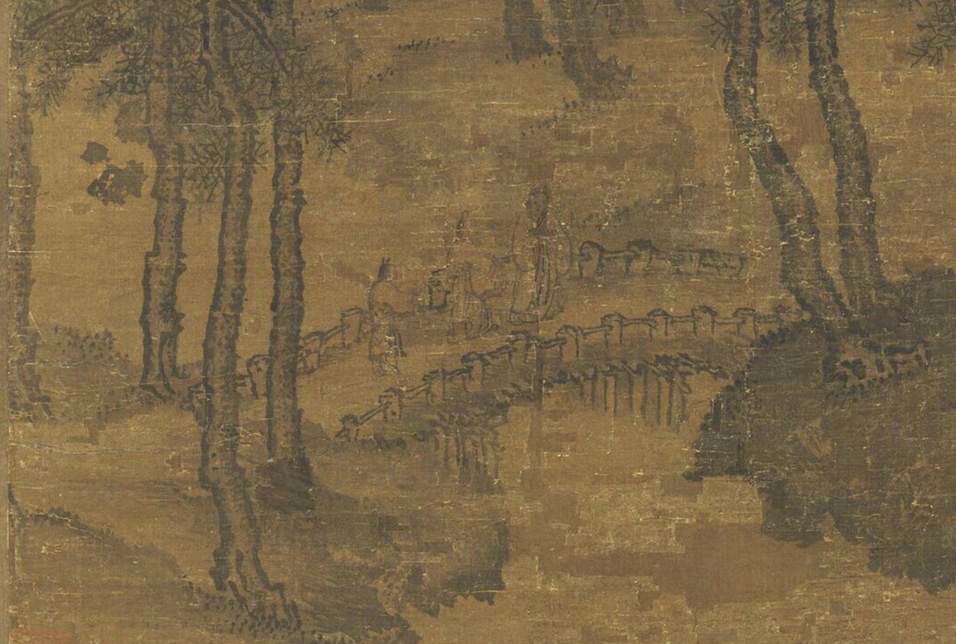
Zhu Derun, also known by his courtesy name Zezhi (泽之) and pseudonym Suiyang Shanren, was not only a painter but also a high-ranking scholar-official. His background in classical literature and his travels across the empire allowed him to imbue his landscapes with a sense of intellectual depth and realistic observation that set him apart from his contemporaries.
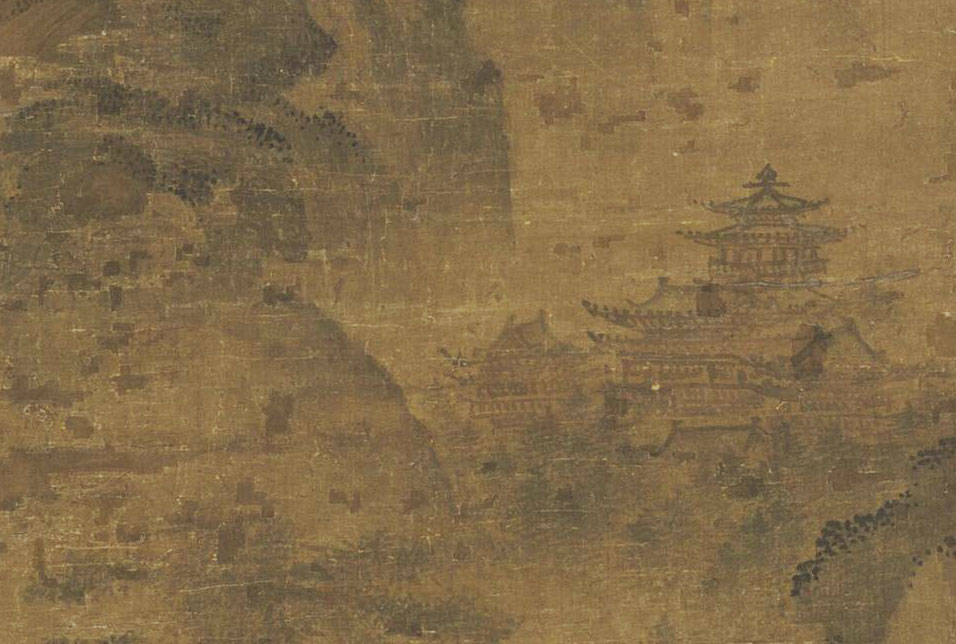
Artistically, Zhu Derun was a primary successor to the Li-Guo school (named after Li Cheng and Guo Xi). In Rainy Mountains and Noisy Waterfalls, one can observe the characteristic "crab-claw" branches and "devil’s face" rock textures. However, Zhu softened the rigid dramaticism of the Northern Song style, moving toward a more moist, lyrical expression that became the hallmark of Yuan landscape painting.
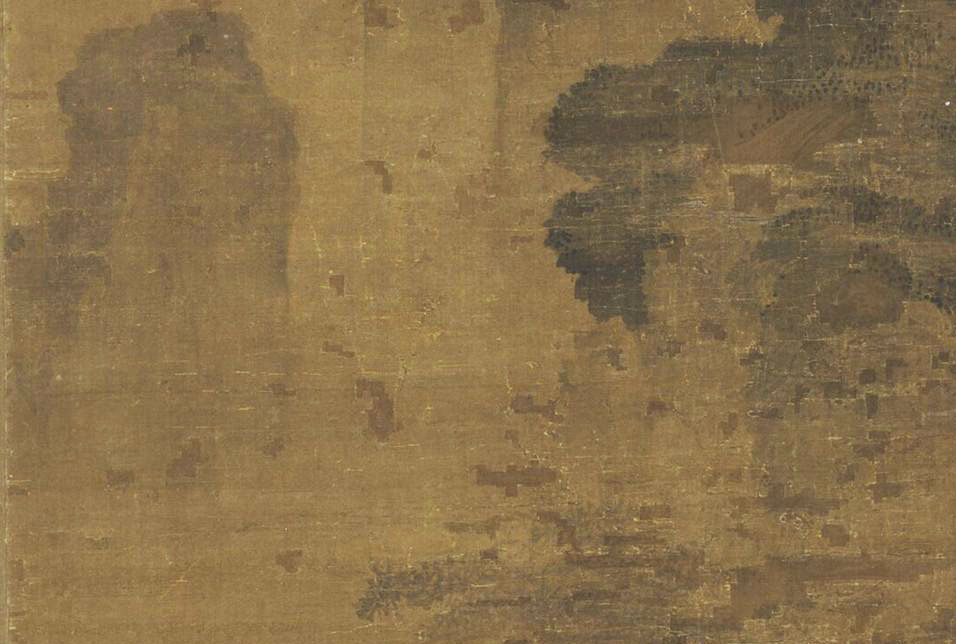
The painting is celebrated for its auditory visuality. The title itself, specifically the word "Xuan" (喧 - noisy), suggests a landscape filled with the roar of crashing water. The vertical composition guides the eye from the mist-covered peaks down to the rushing torrents. The waterfalls are depicted with vigorous, agitated brushstrokes, capturing the chaotic energy of water swollen by mountain rain.
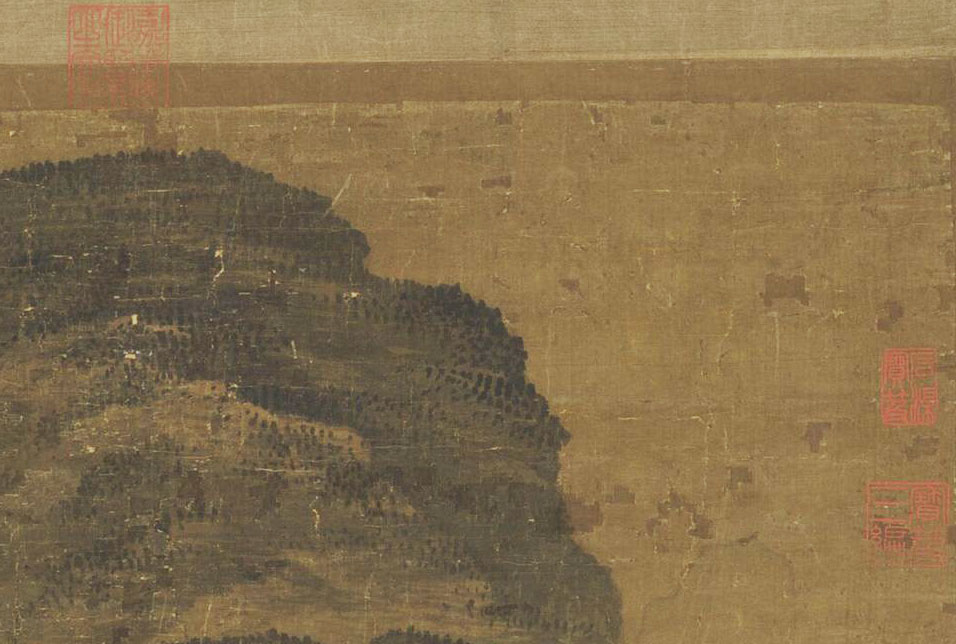
Zhu Derun utilized a sophisticated layering of ink washes to simulate the humidity of a rain-soaked forest. He employed "Cun" (texture strokes) that are both firm and fluid, creating a sense of tactile volume in the mountains. The contrast between the dense foliage in the foreground and the ethereal mist in the background creates a profound sense of three-dimensional space and atmospheric depth.
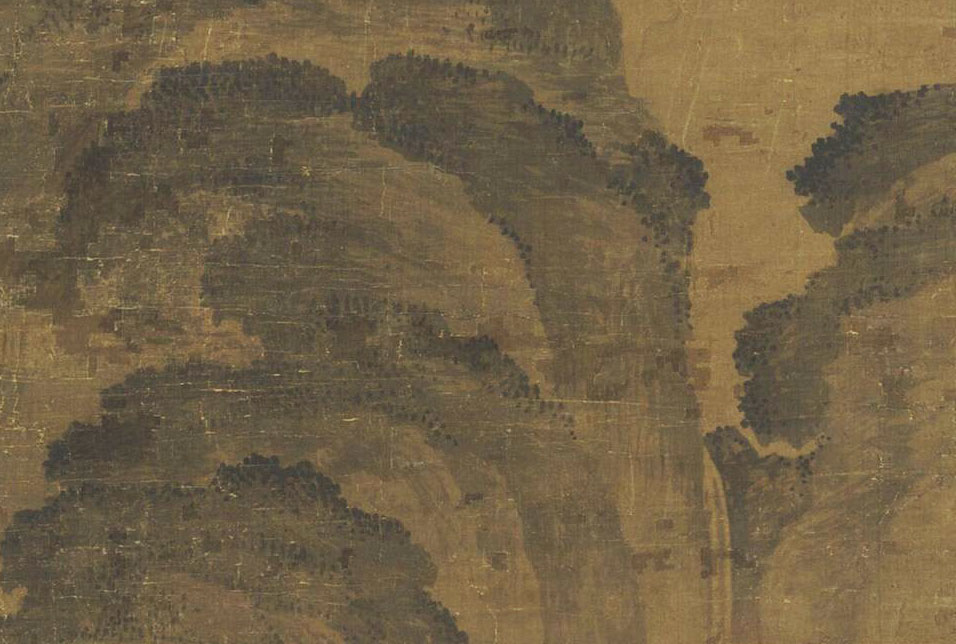
Like many literati paintings of the era, the work reflects the philosophical retreat into nature. Amidst the overwhelming power of the "noisy" waterfalls and towering cliffs, tiny figures or pavilions often serve as spiritual anchors. It reflects the Yuan scholar’s desire to find harmony and solitude within the powerful, sometimes turbulent, forces of the natural world.
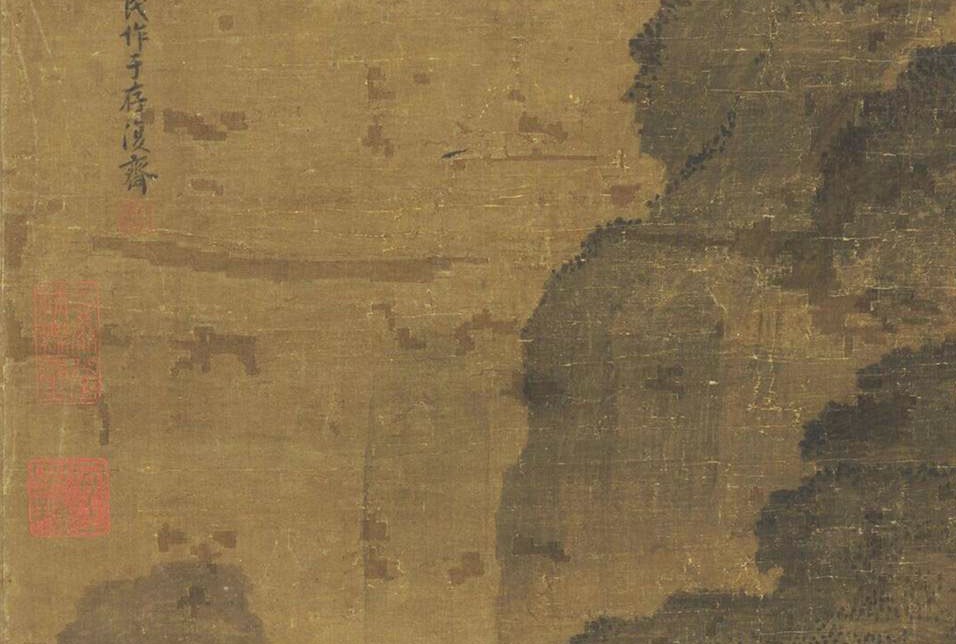
Rainy Mountains and Noisy Waterfalls remains a quintessential example of how Zhu Derun bridged the gap between the monumental landscapes of the past and the subjective expressionism of the later Ming and Qing dynasties. It is a visual symphony of rhythm, moisture, and motion.