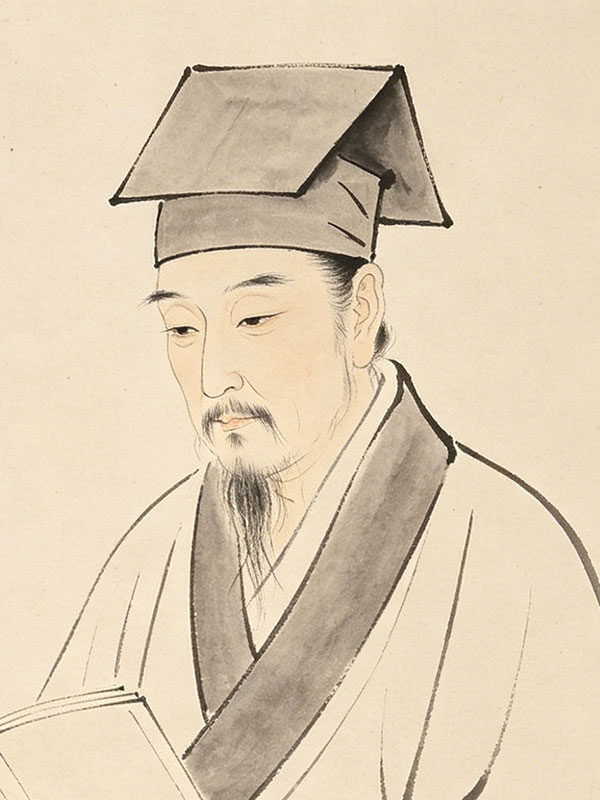
Zhu Derun (朱德润): The Scholarly Bridge Between Song Grandeur and Yuan Elegance
Zhu Derun (1294–1365), courtesy name Zezhi (泽民) and art name Suiyang Shanren (睢阳山人), was a prominent scholar-official, painter, calligrapher, and poet of the Yuan Dynasty. Unlike the reclusive "Four Masters," Zhu Derun occupied a significant position within the Mongol administration, serving in the prestigious Hanlin Academy. His art is a sophisticated synthesis of Northern Song monumentalism and the literati subjectivity that defined the 14th century.
1. Career in the Yuan Court and Artistic Mentorship
Zhu Derun was born in Suiyang (modern-day Henan) and moved to Wuzhong (Suzhou). His talent was recognized early by Zhao Mengfu, the era's cultural arbiter, who recommended him for official service. Zhu served as a compiler and academician, roles that allowed him extensive access to the imperial collection of ancient paintings. This exposure to masterworks of antiquity deeply informed his stylistic evolution, making him one of the most learned painters of his generation.
2. Artistic Style: Mastery of the Li-Guo Tradition
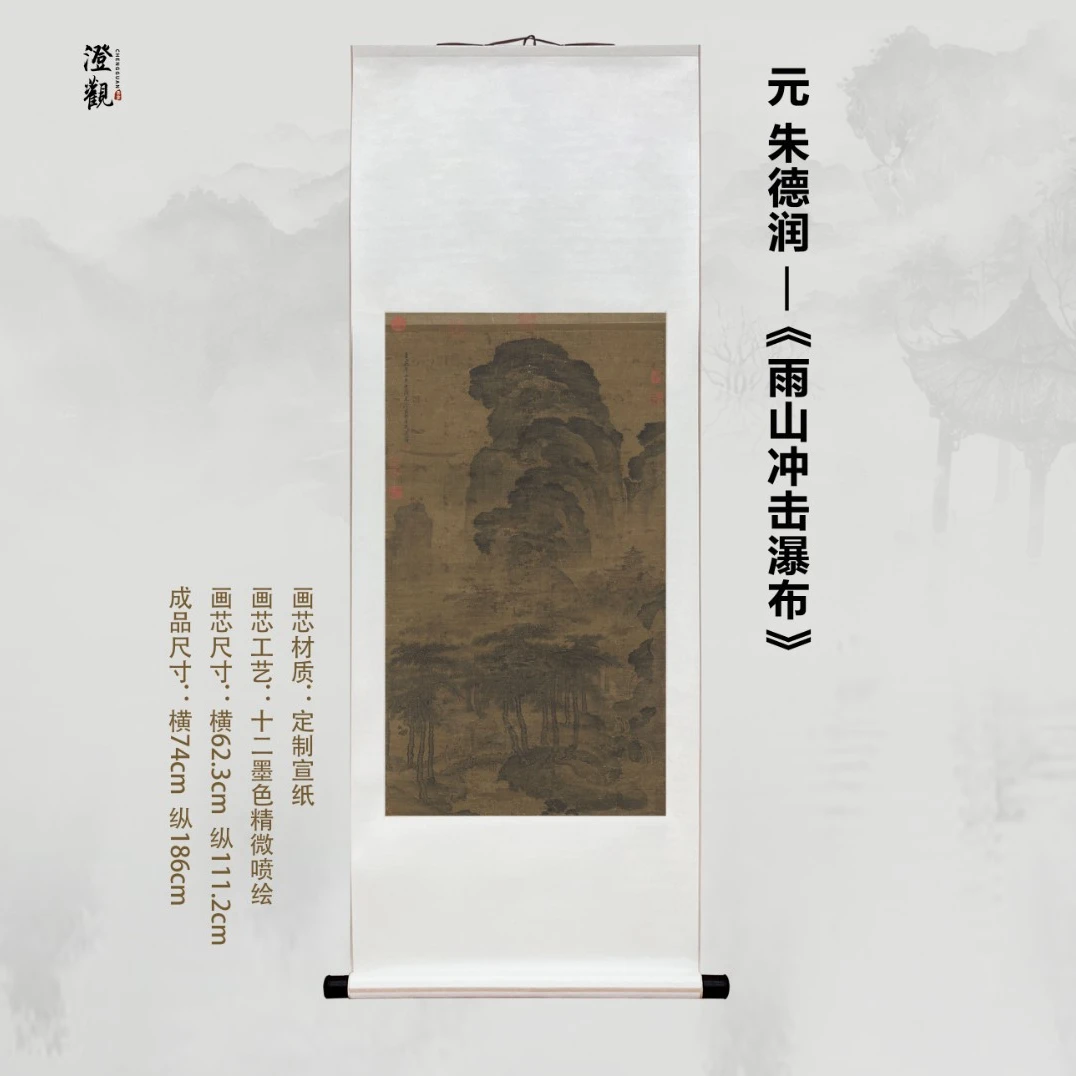
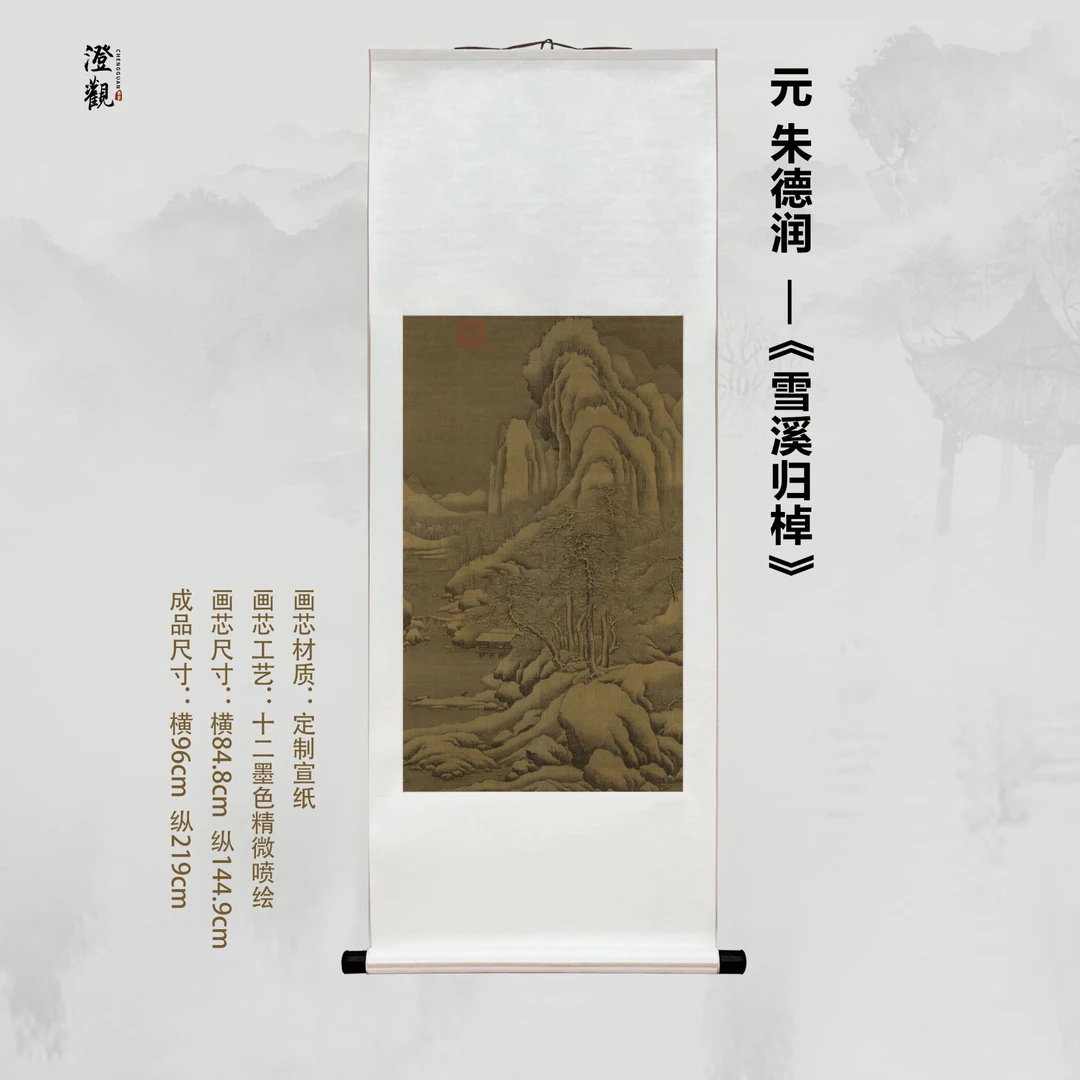
Zhu Derun is primarily associated with the Li-Guo school (the landscape tradition of Li Cheng and Guo Xi). He was instrumental in reviving this style for the Yuan literati audience. Key features of his work include:
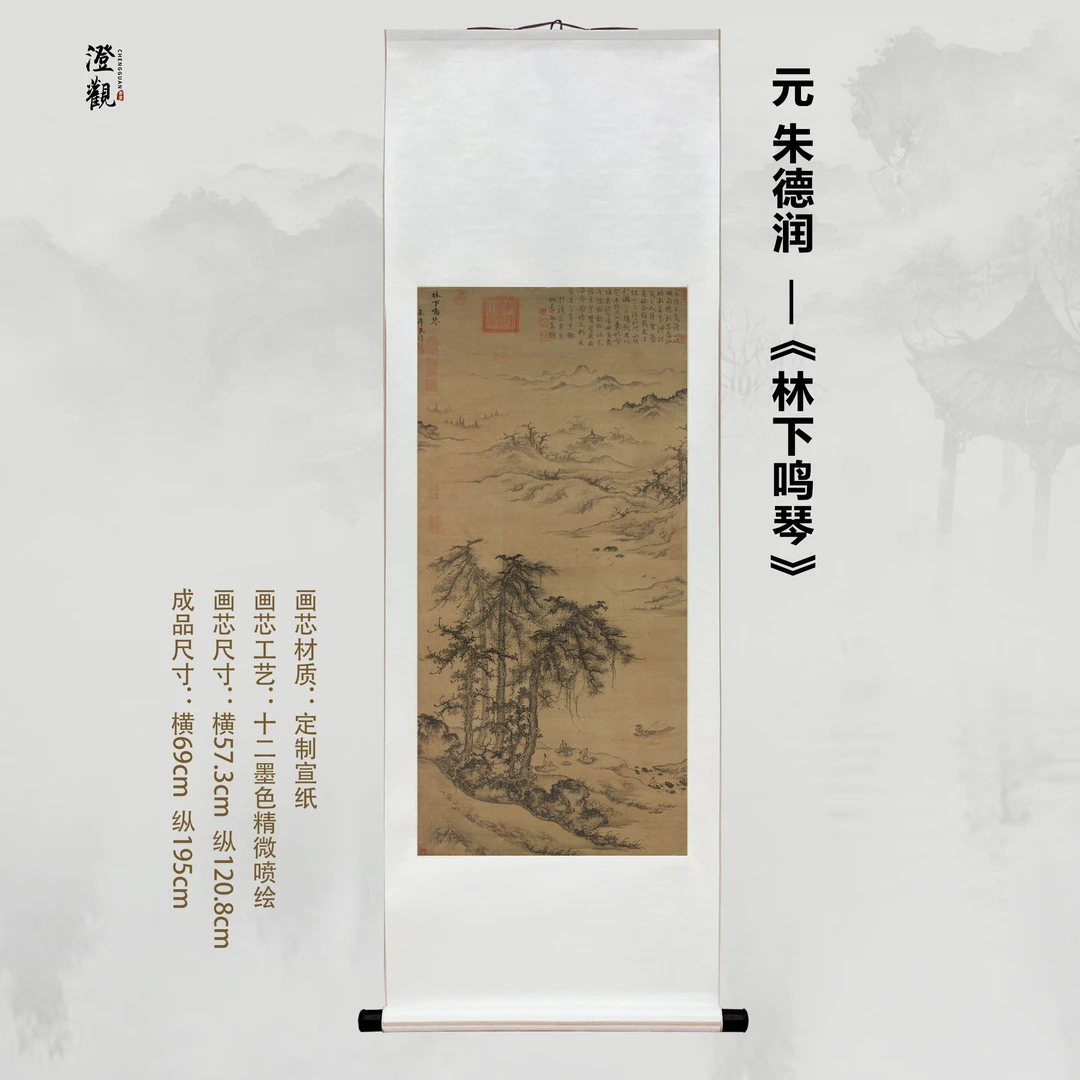
- Crab-claw branches (Xiezhua): He utilized sharp, intertwining brushstrokes to depict winter trees, a technique inherited from Northern Song masters.
- Level-Distance Composition (Pingyuan): Zhu excelled at the "level-distance" perspective, creating vast, horizontal landscapes that evoke a sense of limitless space and tranquility.
- Eroded Textures: His rocks were often rendered with "devil-face" contours and layered ink washes to suggest the weathered, organic power of nature.
- Elegant Calligraphy: Following Zhao Mengfu’s theory that "calligraphy and painting are one," Zhu’s landscapes are built with calligraphic precision, particularly evident in his rhythmic rendering of foliage and reeds.
3. Philosophical Depth: The "Hunlun Tu" (Primordial Chaos)
One of his most intellectually profound works is "Primordial Chaos" (Hunlun Tu / 浑沦图). This painting is unique in Chinese art history as it explores Taoist cosmogony. It depicts a circular, swirling mountain landscape that suggests the beginning of the universe. This work proves that Zhu Derun viewed painting not just as a visual exercise, but as a medium for philosophical and metaphysical inquiry.
4. Iconic Masterpiece: "Music under the Pines"
In his famous work "Playing the Qin under the Pines" (松下鸣琴图), Zhu Derun captures the ultimate literati ideal. The painting shows scholars gathered under towering, ancient pine trees, engaged in musical and intellectual pursuit. The tall pines symbolize the noble character of the gentleman, while the misty background emphasizes the scholar's detachment from worldly affairs.
5. Historical Significance and Legacy
Zhu Derun represents the "Official-Literati" (shidafu) tradition of the Yuan Dynasty. While he followed the structure of the Northern Song, his brushwork was lighter, more spontaneous, and more personal than that of his predecessors. He influenced later painters of the Ming Dynasty, particularly those who sought to maintain a sense of classical rigor while expressing individual spirit. His poetry and inscriptions further integrated the "Three Perfections"—painting, poetry, and calligraphy—setting a standard for the Renaissance man of traditional China.
— ALL MASTERPIECES LOADED —