
The masterpiece "Pine, Rock, and Peony" by Bada Shanren (Zhu Da) stands as a profound testament to the artist's late-period mastery. As a descendant of the Ming Dynasty royalty who turned to the priesthood after the fall of his empire, Bada Shanren infused his works with deep political allegory and personal sorrow. While the combination of pine, rock, and peony traditionally symbolizes "eternal wealth and longevity," Bada subverts these auspicious meanings, transforming a conventional theme into a visual manifesto of solitude and unwavering integrity in the face of a crumbling world.
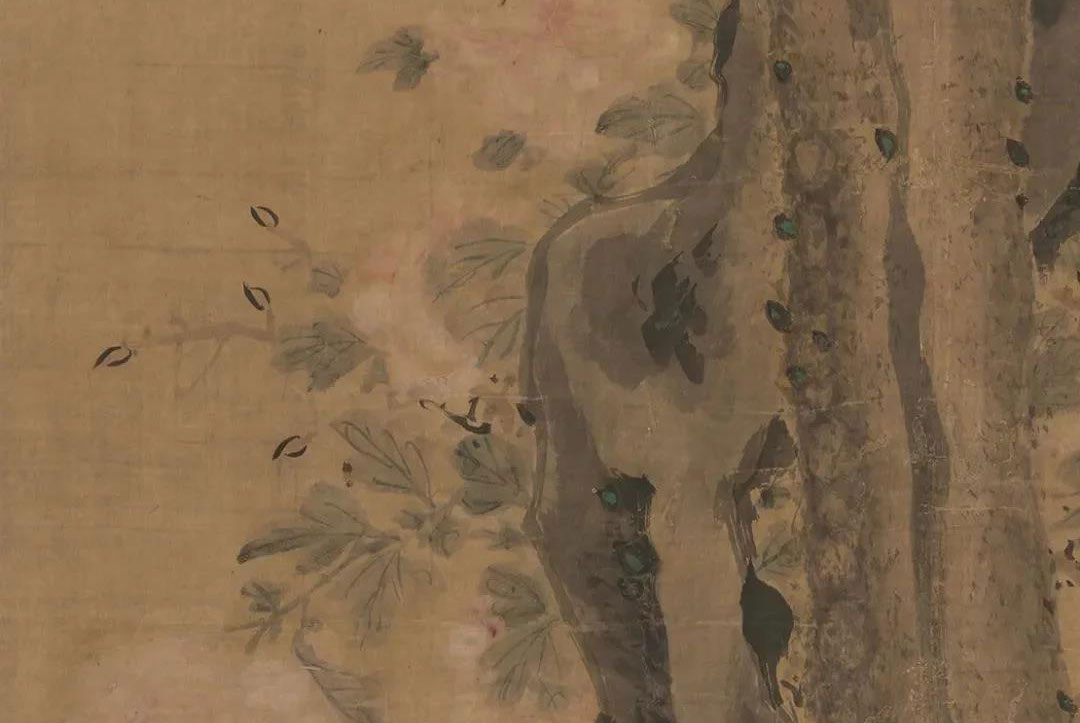
In this composition, the symbolic narrative is redefined through a lens of defiance. The Pine, usually a symbol of uprightness, is depicted as gnarled and distorted, representing a resilient spirit weathered by historical upheaval. Accompanying it is the Rock, which Bada characteristically renders with a top-heavy instability. This precarious placement reflects the artist's psychological projection of a fragile social order and the loss of his ancestral homeland, creating a sense of "dangerous balance" that challenges the viewer’s perspective.
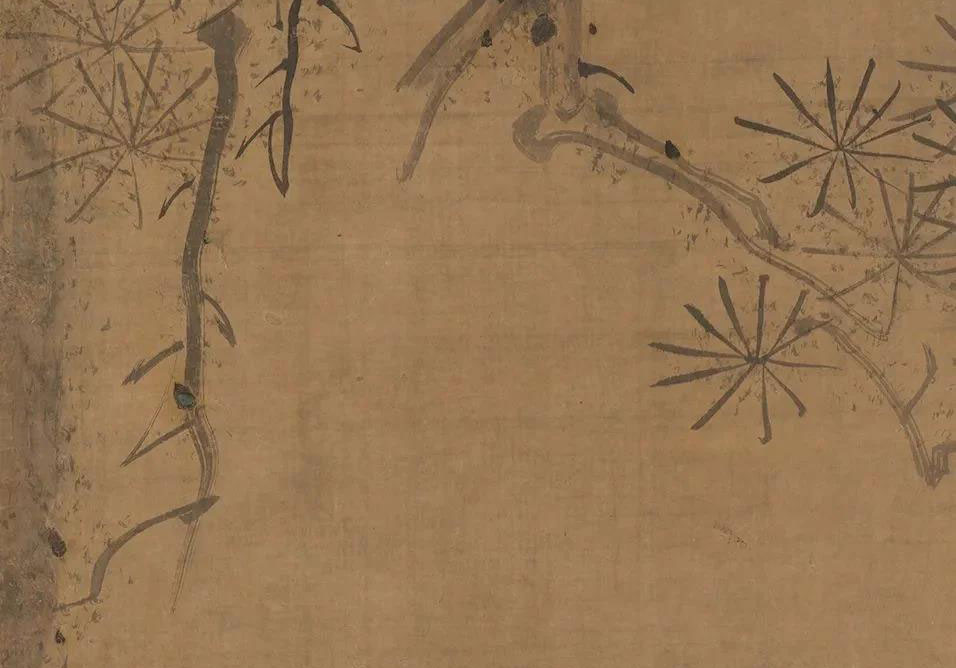
The most striking element of the painting is the Peony, traditionally the "King of Flowers" representing opulence. In Bada Shanren’s hands, the peony is stripped of its worldly glamour, appearing cold, aloof, and ethereal. Using minimalist brushstrokes, he portrays the flower not as a decorative object, but as a symbol of transcendental purity. This "desolate beauty" serves as a silent mockery of worldly vanity, suggesting that true nobility lies in spiritual independence rather than material wealth.
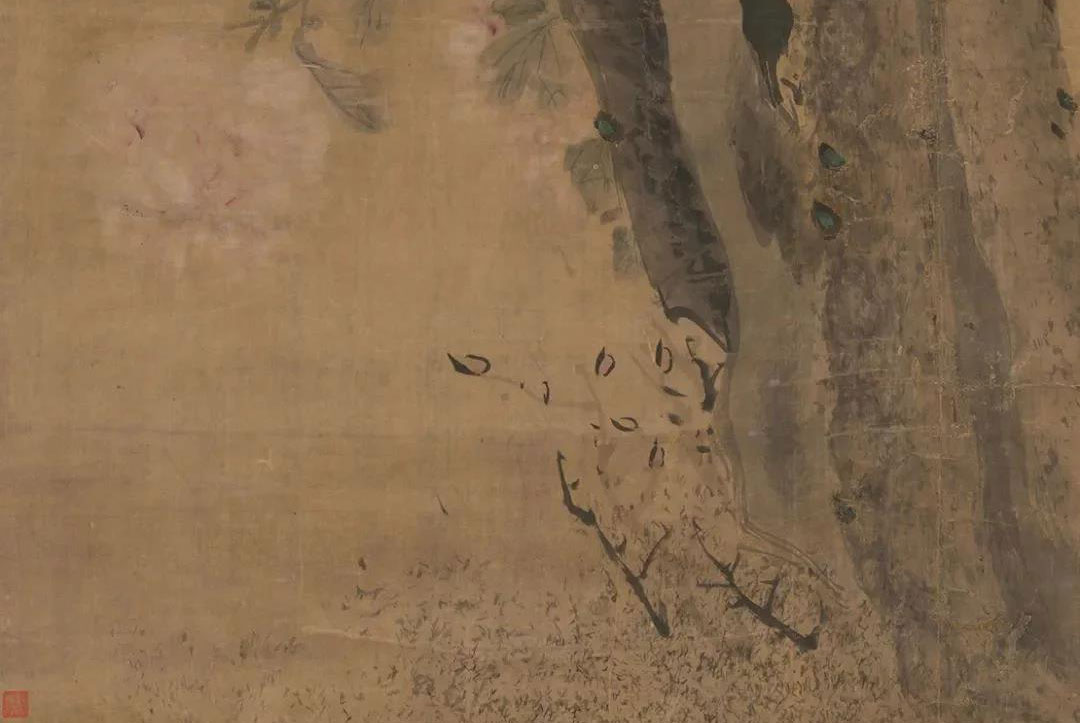
Artistically, the work showcases Bada’s exceptional command of ink play and spatial tension. He utilizes the contrast between dry, charred ink (Ku Mo) for the coarse pine bark and moist, translucent washes for the delicate peony petals. His philosophy of "calculating white space as black" (Ji Bai Dang Hei) allows the unpainted areas of the paper to breathe, creating a vast, meditative atmosphere. The brushwork possesses a calligraphic strength—each line is concise yet carries the weight of a life lived in exile, achieving a perfect harmony between strength and restraint.
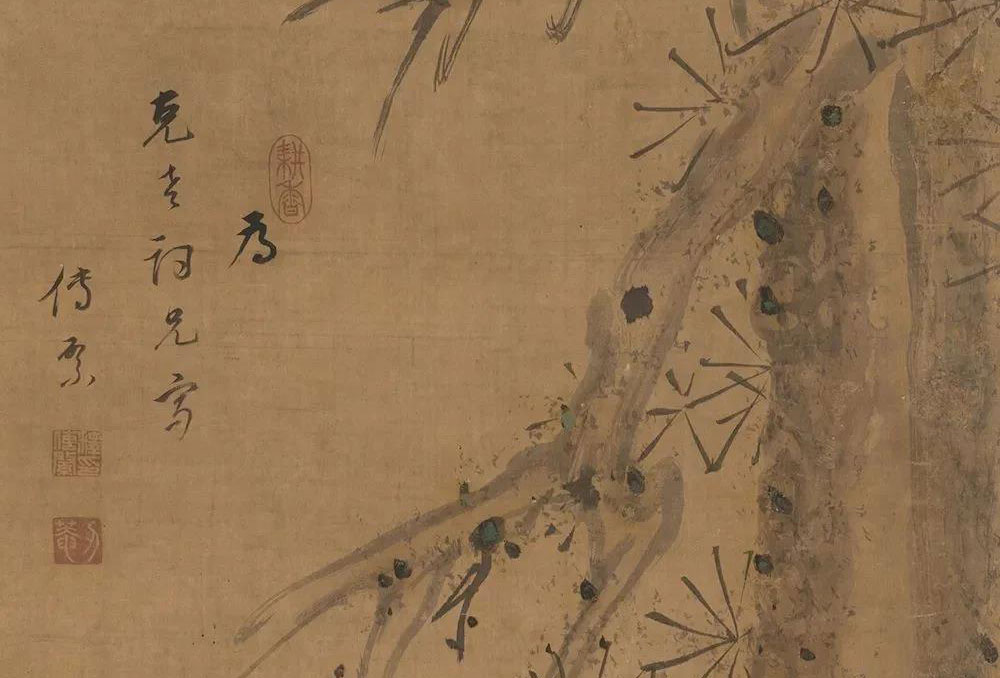
Ultimately, "Pine, Rock, and Peony" is a "lonely epic" hidden beneath a floral exterior. It has exerted a profound influence on later generations, from the Shanghai School to modern masters like Qi Baishi, who revered Bada’s ability to convey complex emotions through extreme simplicity. The painting remains an enduring icon of Chinese literati art, capturing the eternal struggle between the individual soul and the tides of history, and reminding us that even in the harshest landscapes, the flower of human dignity continues to bloom.