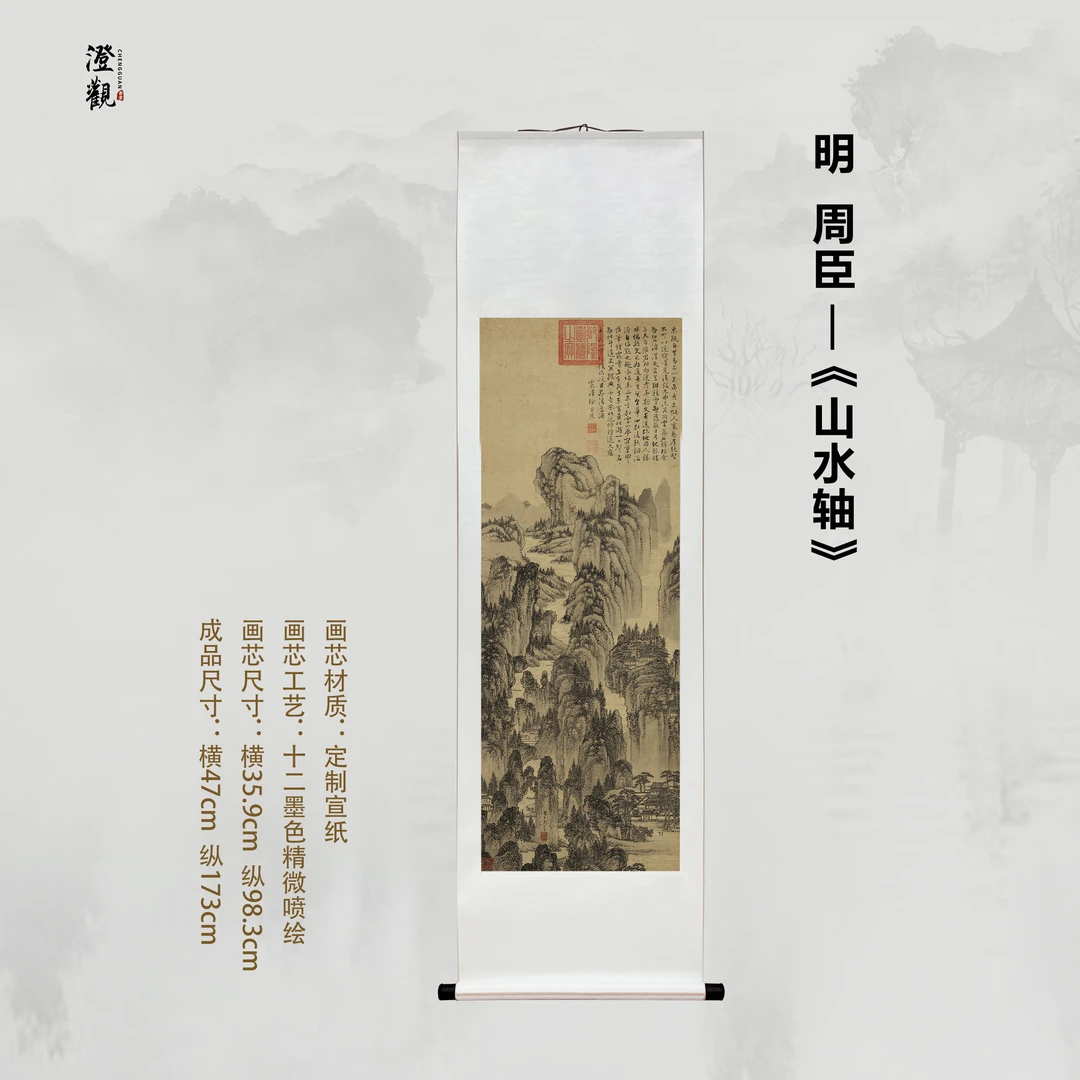
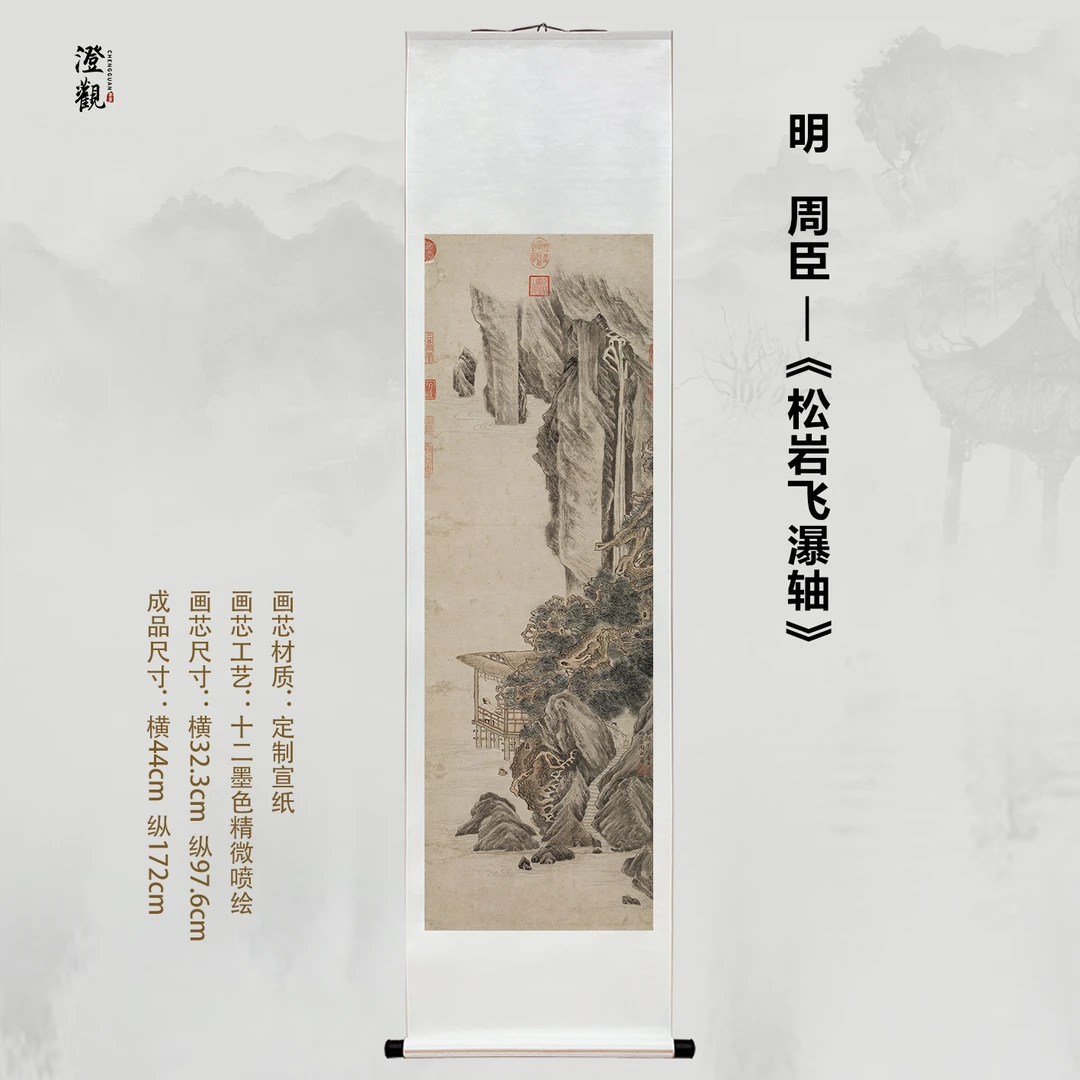
Zhou Chen (周臣): The Professional Master and Teacher of Legends
Zhou Chen (c. 1460–1535), courtesy name Shunqing (舜卿) and pseudonym Dongcun (东村), was a preeminent professional painter of the middle Ming Dynasty. A native of Suzhou, he occupied a unique and vital position in art history, serving as the technical bridge between the Southern Song academic traditions and the flourishing Wu School of the Ming era.
1. A Master of Professional Artistry
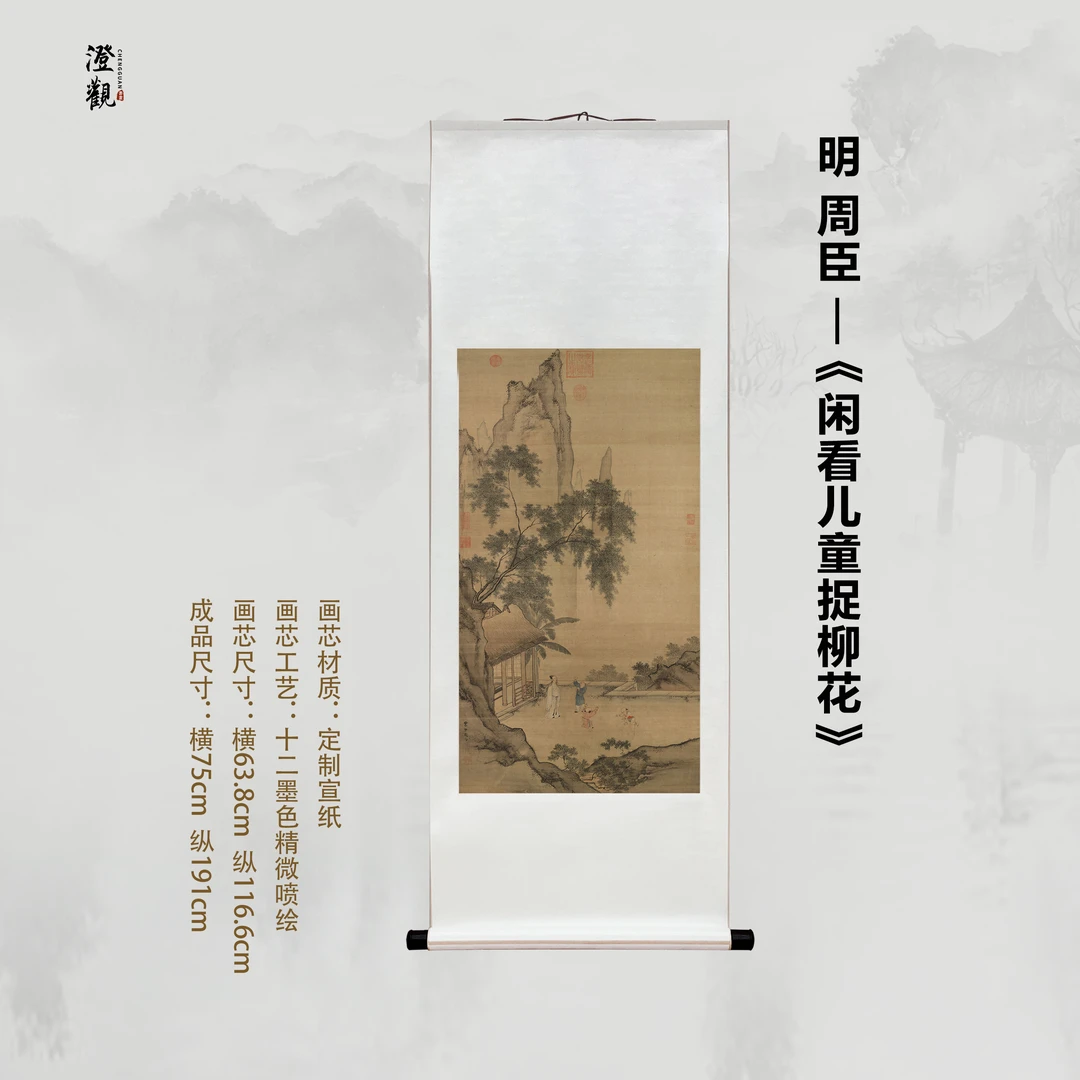
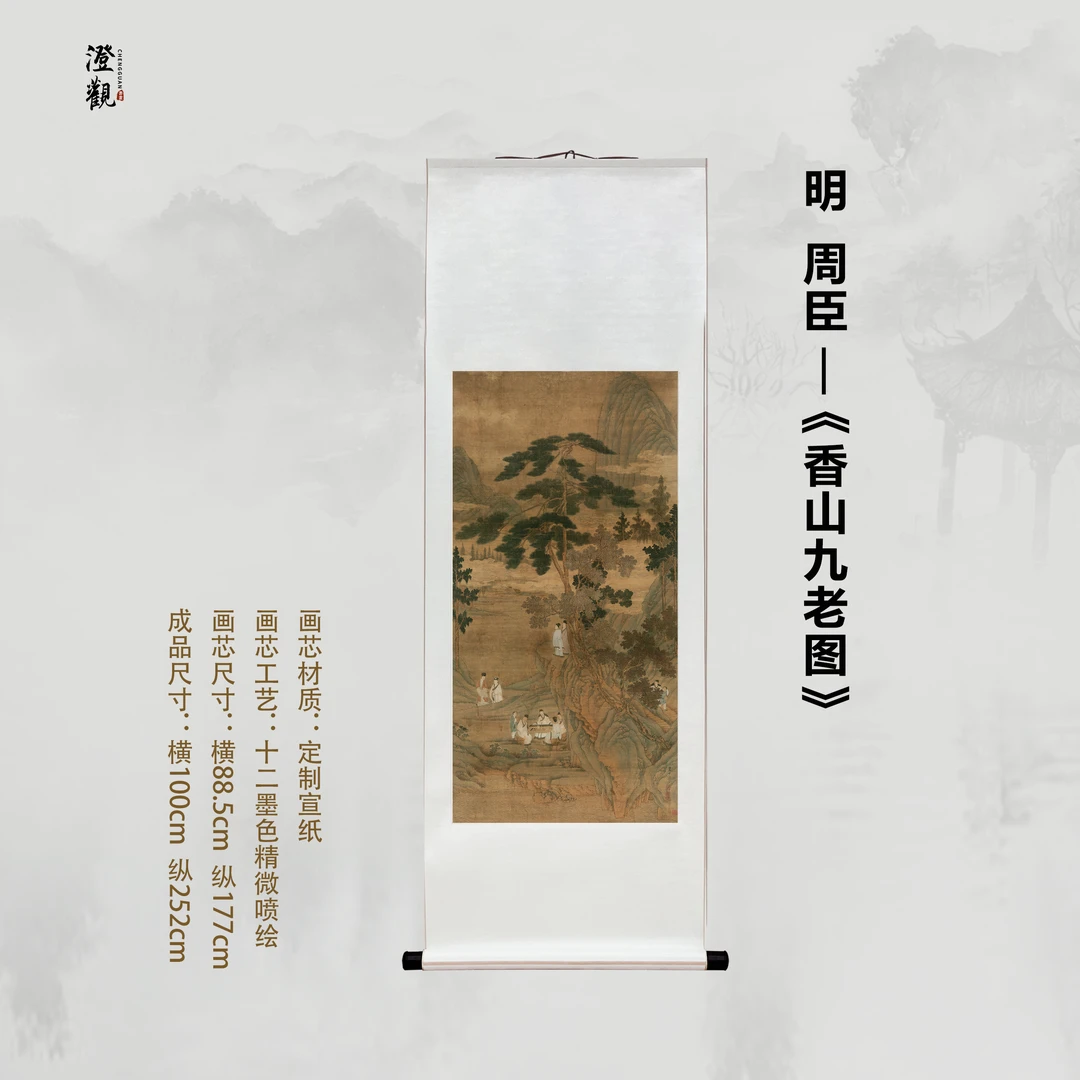
Unlike many of his contemporaries in Suzhou who were wealthy scholar-amateurs, Zhou Chen was a professional artist who painted for a living. While the literati often looked down on professional "craftsmanship," Zhou Chen’s skill was so profound that even the most elite scholars deeply admired his work. He represented the peak of technical rigor in an age that was increasingly moving toward subjective expression.
2. Revival of the Southern Song Tradition
Zhou Chen is best known for his mastery of the Northern Style of landscape painting, which had been perfected by the Southern Song masters. His primary influences included:
- Li Tang and Liu Songnian: He adopted the monumental structures and rigorous compositions of the early Southern Song academy.
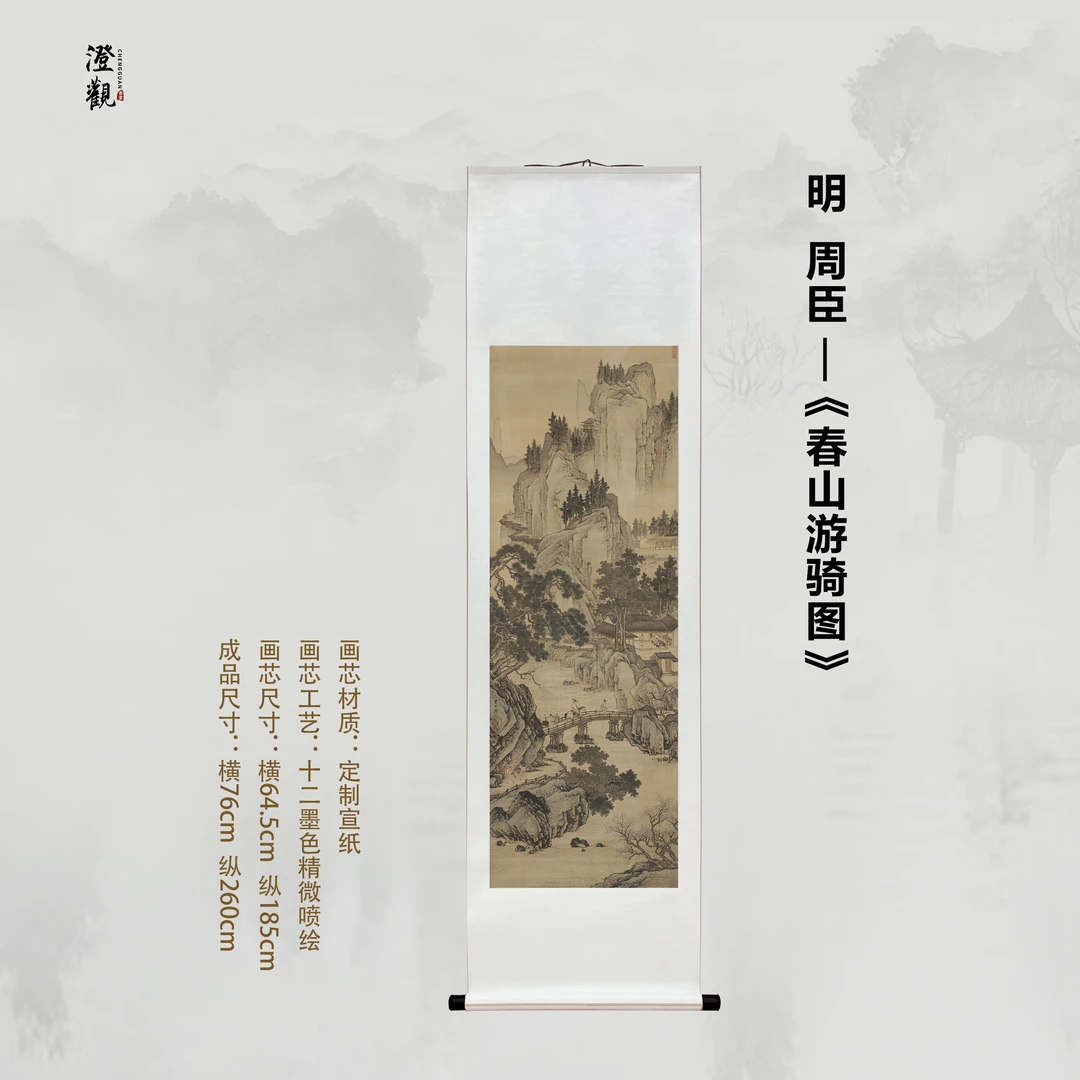
- Axe-cut Strokes (Fupi Cun): Zhou Chen was a virtuoso of the "axe-cut" texture stroke, using sharp, decisive diagonal sweeps of the brush to depict the crystalline surfaces of rocks and precipitous cliffs.
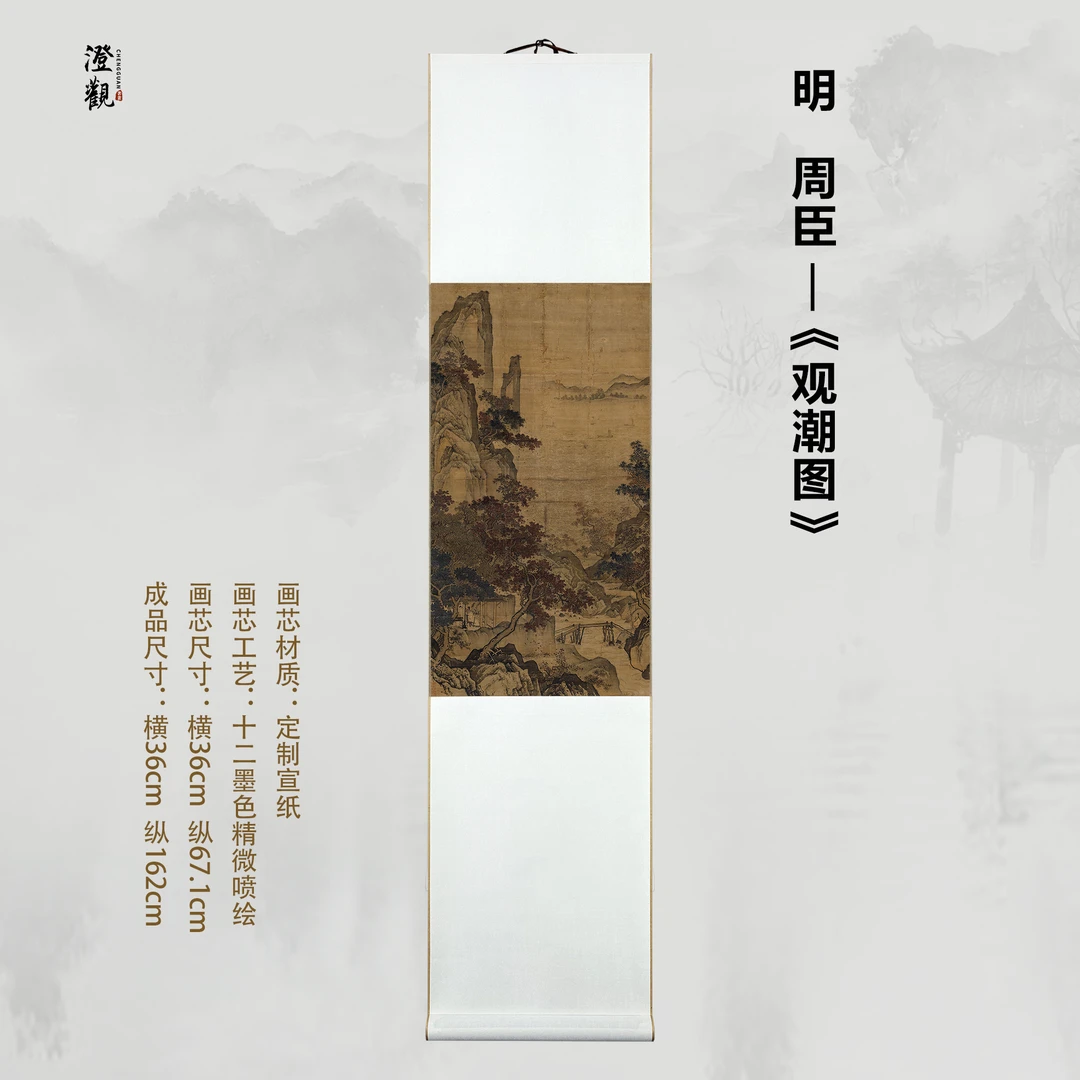
- Atmospheric Realism: His landscapes are characterized by a sense of solidity and space, often featuring turbulent waters, winding paths, and meticulously rendered architecture.
3. Realism and Social Observation
Beyond idealized landscapes, Zhou Chen possessed a rare eye for social realism. One of his most historically significant works is the "Beggars and Street Characters" (Liumin Tu) scroll. In this masterpiece, he broke away from traditional beauty to depict impoverished outcasts, cripples, and street performers with startling psychological intensity and anatomical detail. This work remains one of the most important genre paintings in Chinese history, offering a rare glimpse into the darker side of Ming urban life.
4. The Teacher of Tang Yin and Qiu Ying
Zhou Chen’s greatest legacy is arguably his role as a mentor and teacher. He was the primary instructor for two of the "Four Masters of the Ming": Tang Yin (Tang Bohu) and Qiu Ying.
- He provided Tang Yin with the structural foundation that allowed the younger artist to blend scholarly grace with professional power.
- He taught Qiu Ying the meticulous Gongbi techniques that would later make Qiu the most famous professional painter of the 16th century.
It was often said that Tang Yin’s early works were so similar to Zhou Chen’s that they were indistinguishable, and Zhou Chen himself once remarked that while he had the skill, he lacked Tang Yin’s literati spirit and poetic soul.
5. Historical Legacy and Major Collections
Zhou Chen’s influence ensured that the technical excellence of the Song Dynasty was not lost during the Ming transition. His works are prized for their strength, clarity, and structural integrity. Today, his paintings are held in world-class institutions such as the Palace Museum in Beijing, the Cleveland Museum of Art, and the National Palace Museum in Taipei. He remains a symbol of the professional master who could compete with the literati on their own terms.