Zheng Banqiao (郑板桥): The Eccentric Master of Bamboo and Integrity
Zheng Banqiao (1693–1765), born Zheng Xie (郑燮), courtesy name Kerou (克柔), was a legendary figure of the mid-Qing Dynasty. He is the most famous and beloved member of the Eight Eccentrics of Yangzhou (扬州八怪). A brilliant polymath, he achieved supreme mastery in the "Three Perfections"—poetry, calligraphy, and painting—while remaining a folk hero for his unwavering moral integrity and empathy for the common people.
1. The Soul of the Eight Eccentrics
Zheng Banqiao was the leading spirit of the Yangzhou School, a group of artists who rejected the rigid, imitative "Orthodox" style of the court in favor of individualist expression. Living in the commercial hub of Yangzhou, Zheng was among the first elite scholars to openly sell his paintings, famously posting a "Price List" (Shu Hua Jia) for his work. This act was a bold defiance of the traditional "amateur" scholar ideal, marking a transition toward the commercialization of art in late imperial China.
2. The "Three Perfections": Bamboo, Orchids, and Rocks
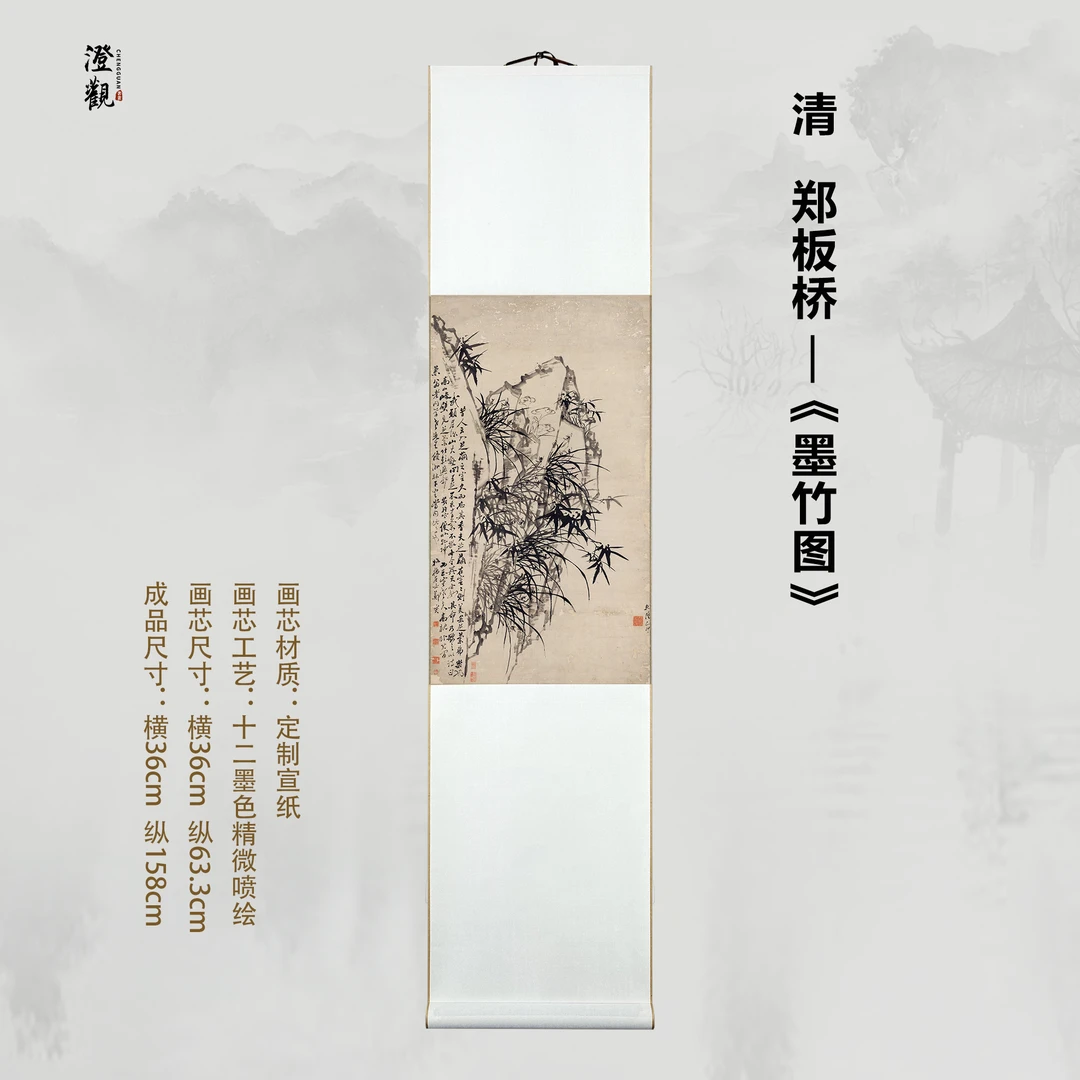
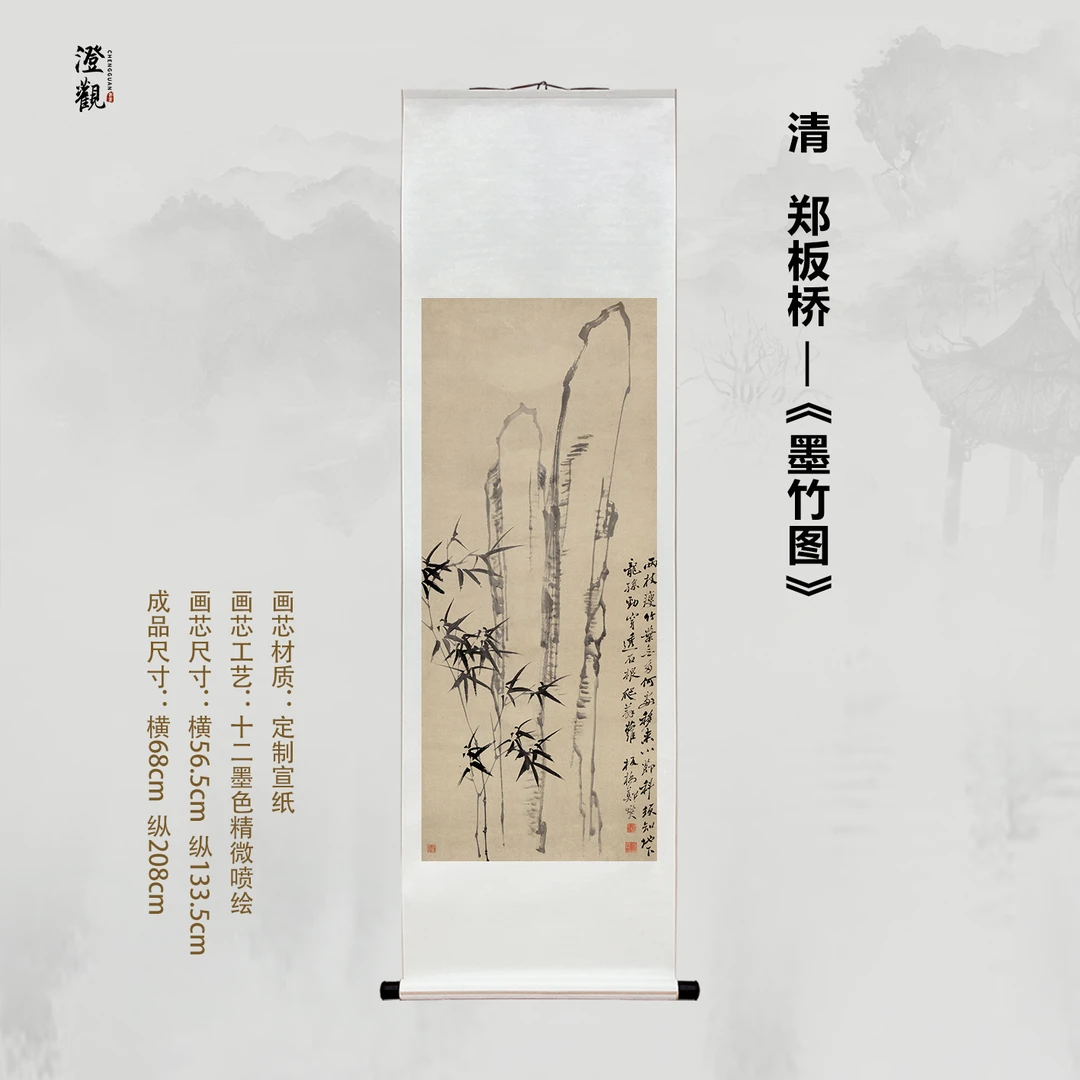
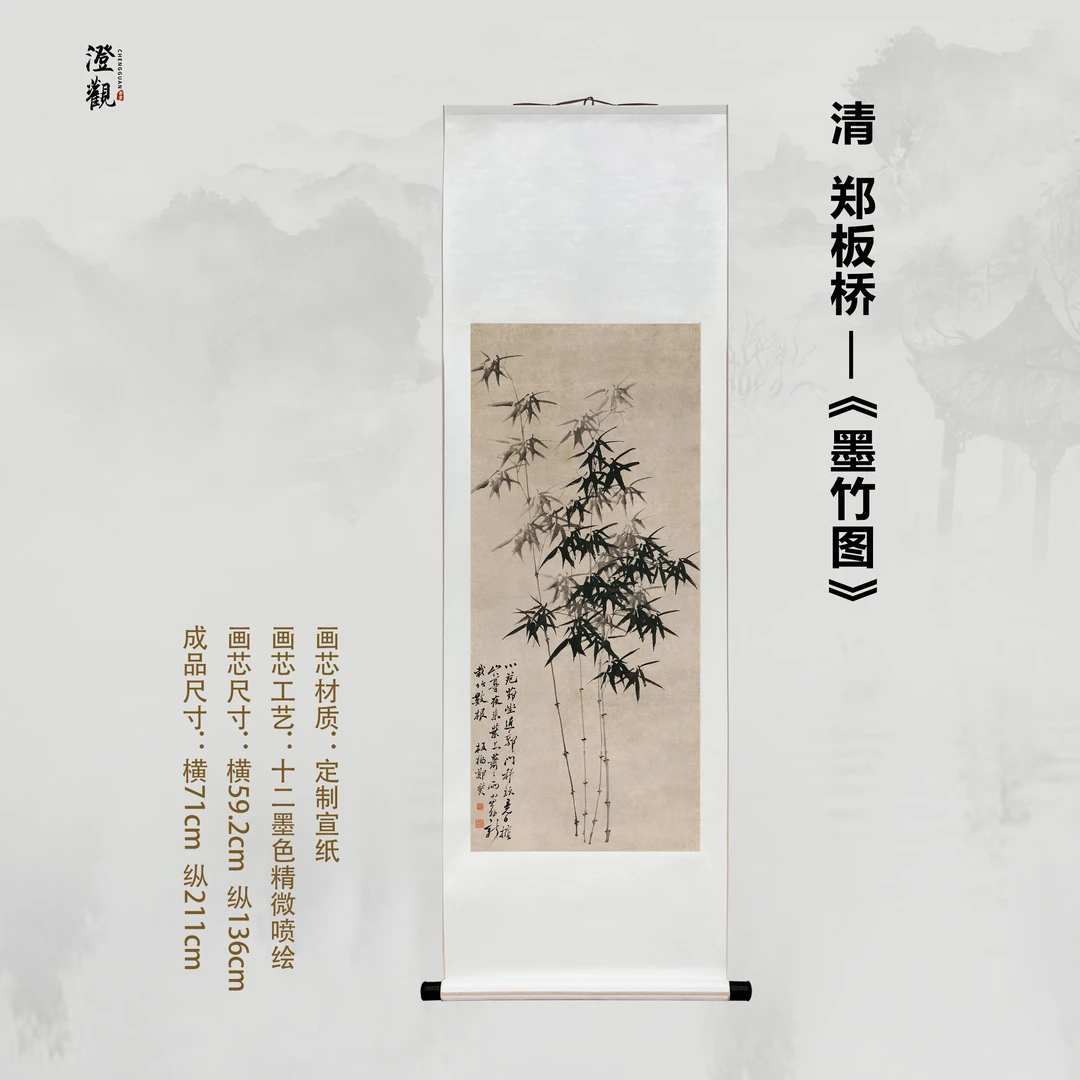
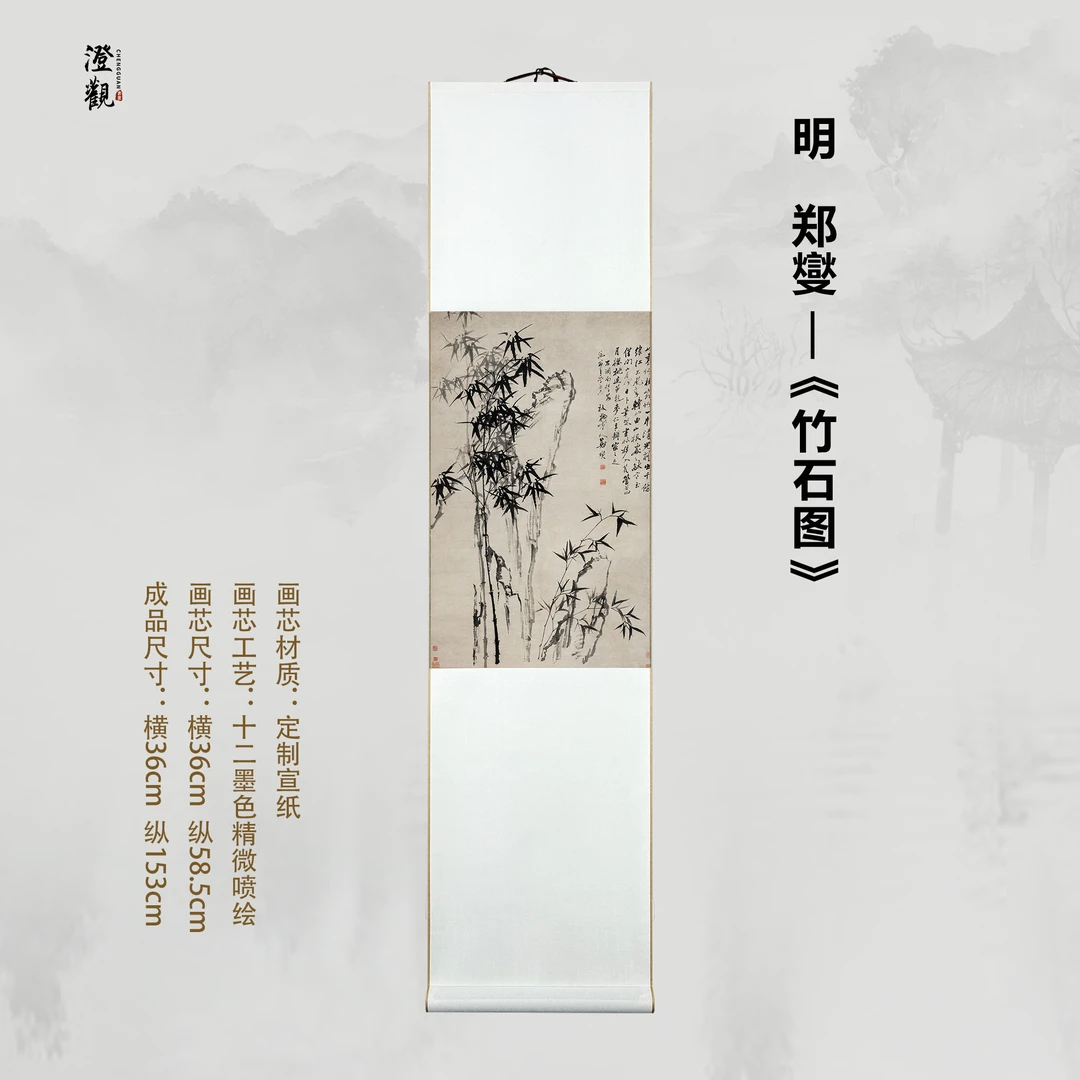
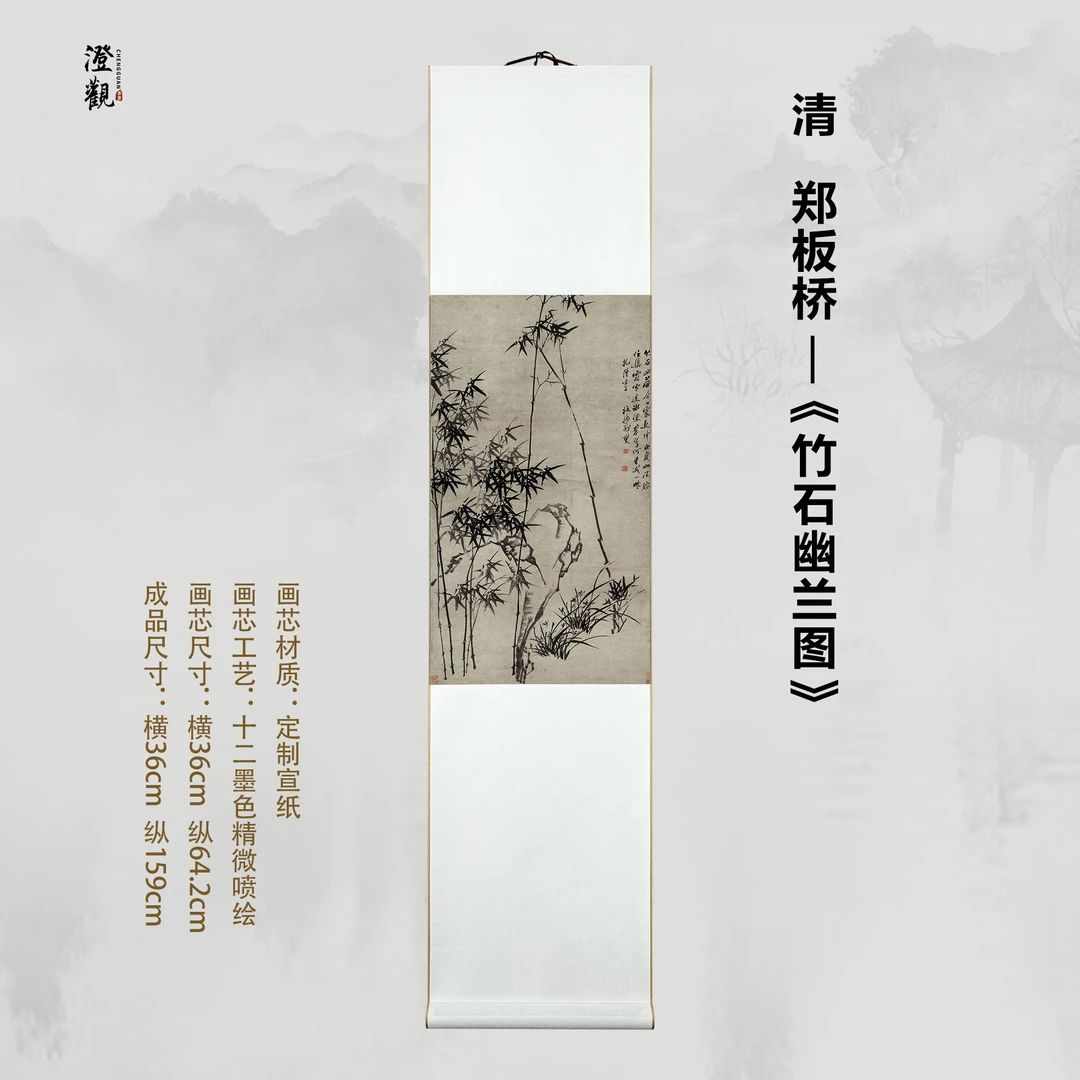
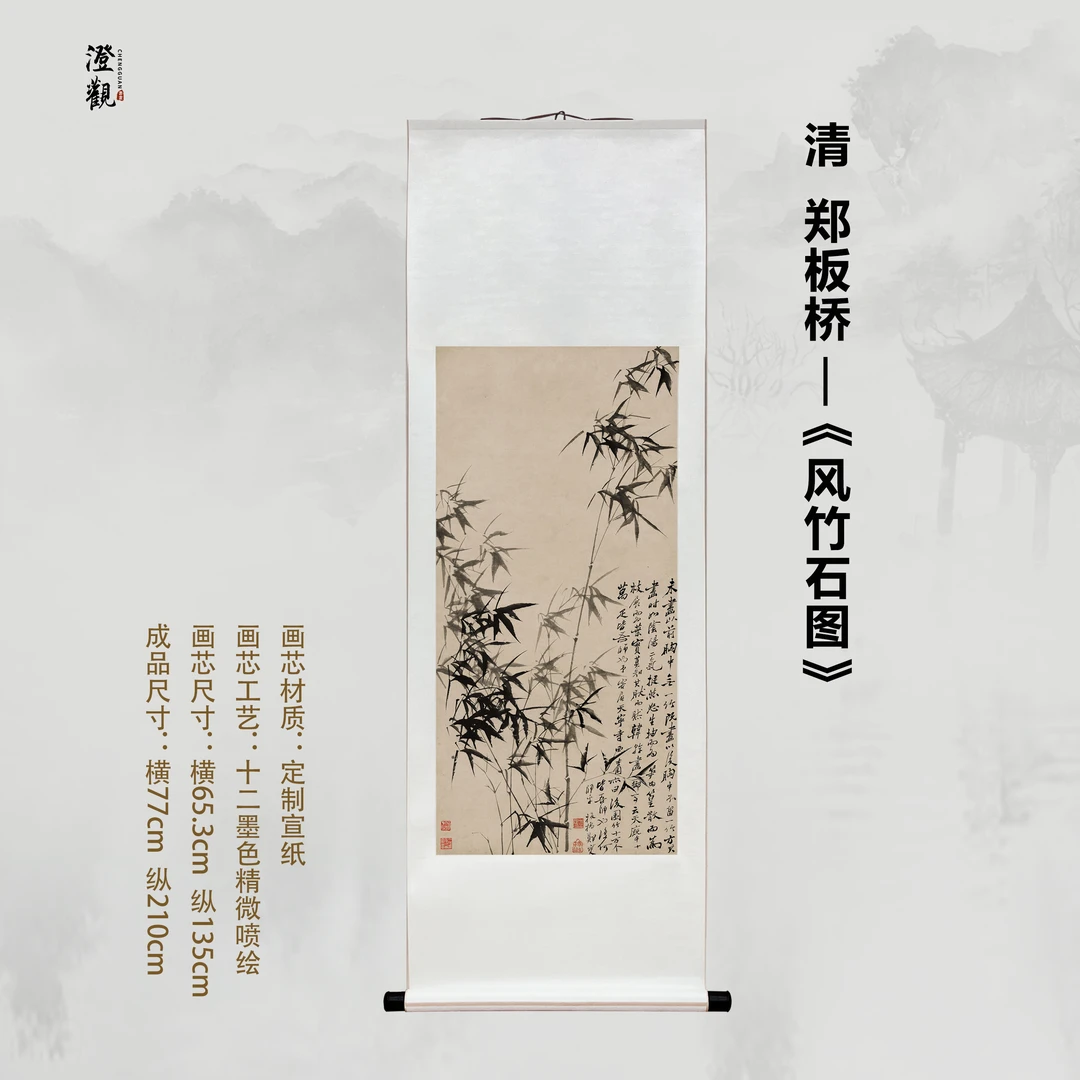
Zheng Banqiao’s artistic output was highly focused. He specialized almost exclusively in bamboo, orchids, and rocks. For Zheng, these were not merely decorative subjects but symbols of the gentleman's character:
- Bamboo: Representing resilience and humility. His bamboo is noted for being thin and sparse rather than lush, emphasizing inner strength over outward appearance.
- Orchids: Symbolizing purity and nobility, often found in secluded valleys, untouched by the "dust" of the world.
- Rocks: Representing stubbornness and permanence. He often painted rocks with sharp, vertical lines to show their unyielding nature.
3. Calligraphic Innovation: The "Six-and-a-Half Script"
Zheng Banqiao created a revolutionary calligraphic style known as Liufenban Shu (六分半书), or "Six-and-a-Half Script." He achieved this by blending:
- Clerical Script (Lishu)
- Regular Script (Kaishu)
- Running Script (Xingshu)
- Cursive Script (Caoshu)
This unique fusion resulted in a playful, asymmetrical, and rhythmic script that resembled the "scattered branches of bamboo." He broke all traditional rules of spacing and structure, creating a visual music that harmonized perfectly with the poetic inscriptions on his paintings.
4. The People’s Magistrate: Art and Politics
Unlike many reclusive artists, Zheng was a scholar-official who served as the Magistrate of Weixian and Fanxian. He was deeply committed to famine relief and protecting the poor from corrupt landlords. His most famous poem-painting describes the sound of wind in the bamboo as the "cries of the suffering people," showcasing how he used his art as a social commentary. He eventually resigned his post in protest against the indifference of his superiors, returning to Yangzhou to live as a professional artist.
5. Philosophical Legacy: "Nan De Hu Tu"
Zheng Banqiao is the author of one of China’s most famous philosophical maxims: "Nan De Hu Tu" (难得糊涂), which translates to "Where ignorance is bliss, 'tis folly to be wise" or "It is difficult to be foolish." This reflected his Taoist-inspired wisdom of knowing when to let go and when to remain detached from the frustrations of a corrupt society. Today, his works are national treasures, housed in the Palace Museum (Beijing), the Shanghai Museum and the Nanjing Museum, and he remains a cultural icon of intellectual freedom.