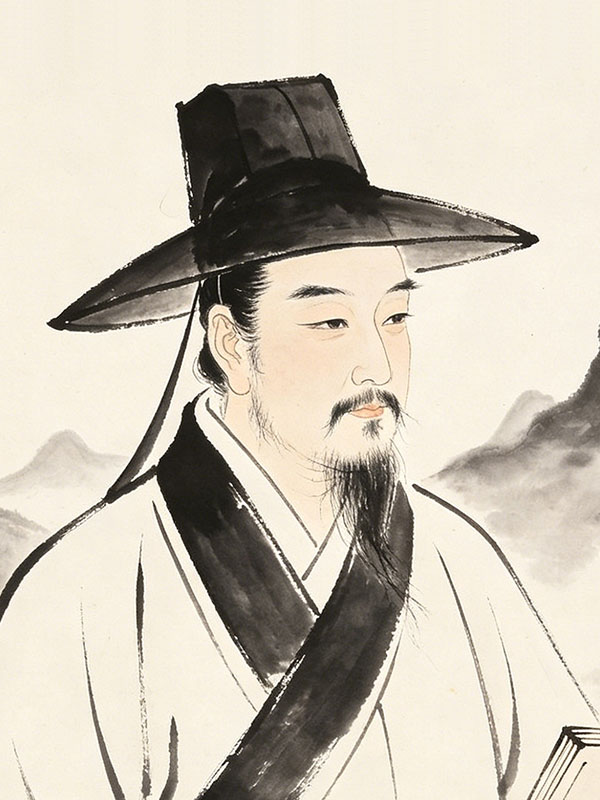
Zhao Yong (赵雍): The Artistic Legacy of a Yuan Master
Zhao Yong (1289–c. 1360), courtesy name Zhongmu (仲穆), was a distinguished Chinese painter, calligrapher, and poet during the Yuan Dynasty. As a central figure in the prestigious Wuxing Zhao artistic lineage, he played a crucial role in maintaining and evolving the literati painting tradition established by his parents.
1. Illustrious Family Heritage
Zhao Yong was the second son of the legendary Zhao Mengfu, the most influential artist of the early Yuan period, and Guan Daosheng, a celebrated female painter known for her bamboo and plum blossoms. Growing up in such an elite intellectual environment, Zhao Yong inherited a profound neo-classical aesthetic, which sought to revive the elegance of the Tang and Northern Song dynasties while rejecting the perceived superficiality of the Southern Song academic style.
2. Mastery of Diverse Genres
Unlike many artists who specialized in a single subject, Zhao Yong was a versatile polymath. His artistic repertoire spanned several categories:
- Horse Painting: Following his father’s footsteps, he was a master of horse and groom subjects. His style often echoed the robust and energetic forms of the Tang master Han Gan, utilizing precise, rhythmic lines and subtle washes.
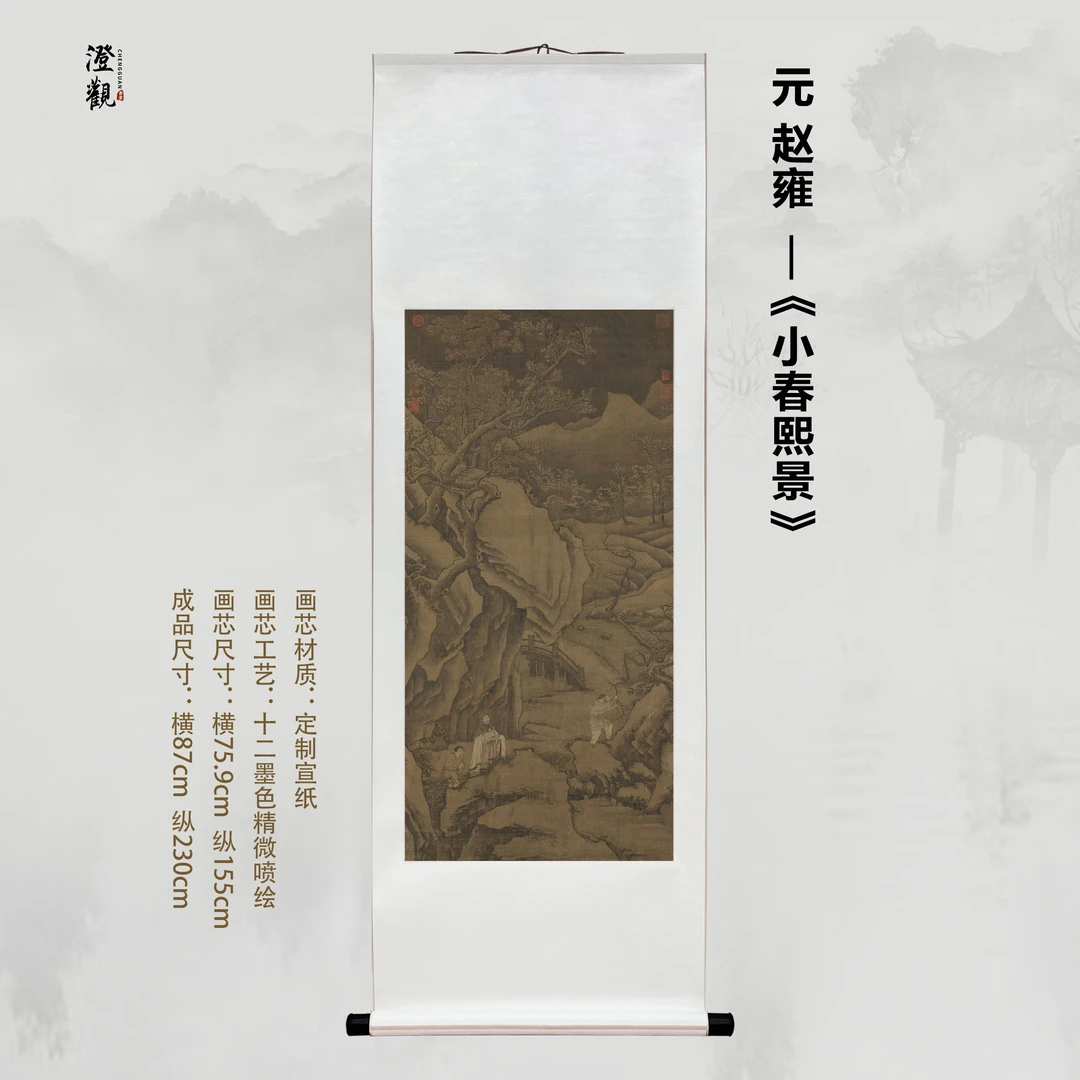
- Landscape Painting (Shanshui): His landscapes were deeply influenced by the Dong Yuan and Juran tradition. He frequently employed hemp-fiber strokes (pima cun) to create soft, undulating mountainous terrains, embodying the scholarly recluse ideal.
- Figures and Flora: He was equally adept at painting human figures and bamboo and rocks, often collaborating with his family members to create "Three Generations of Zhao" scrolls.
3. Style and Calligraphic Technique
A hallmark of Zhao Yong’s work is the seamless integration of calligraphy and painting. He believed that the brushwork used in writing should be the foundation of pictorial art. His lines are characterized by strength, clarity, and refinement. In his Blue-and-Green landscapes (qinglu shanshui), he utilized vibrant mineral pigments like malachite and azurite, blending the archaic decorative style with the expressive freedom of the literati.
4. Political Career and Social Status
Like many elite scholars of his time, Zhao Yong served as a high-ranking official. He held various government posts, eventually rising to become the Director of the Huzhou Prefecture. His status as a scholar-official (shi dafu) meant that his painting was not a commercial craft but a form of self-cultivation and social exchange among the Yuan dynasty's intellectual elite.
5. Historical Significance
While often overshadowed by his father’s immense fame, Zhao Yong was a vital bridge in the history of Chinese art. He helped formalize the literati aesthetic that would dominate the Ming and Qing dynasties. His works are preserved in major institutions such as the Palace Museum in Beijing and the National Palace Museum in Taipei, standing as a testament to the enduring "Zhao Family Style" (Zhao Jia Yang).
— ALL MASTERPIECES LOADED —